
2026 Wedding Photography Trends: Backdrops, Colors & Textures That Book Clients
By Jennifer Kidd — Chasing Stone Co-Founder

Updated Apr. 12, 2026
You've spent thousands on gear. You've perfected your editing workflow. Your couples trust you to capture their most precious moments. But when you arrive on a wedding day and find yourself shooting getting ready shots on a blank wall look interesting for the fiftieth time this season, you know something's missing.
The wedding photography landscape is shifting. Couples aren't just looking for beautiful photos anymore. They want imagery that feels intentional, artistic, and uniquely theirs. And often, the difference between a portfolio that books and one that gets scrolled past comes down to one thing: your backdrops.
As we close out 2025, wedding photography trends are pointing toward a renewed appreciation for texture, authenticity, and craftsmanship. Let's explore what's defining backdrop trends this year and how you can position your work at the forefront of what couples are craving.
The Return to Handcrafted Artistry
There's a reason mass-produced backdrops are falling out of favor. Today's couples have grown up in a world saturated with digital content. They can spot inauthenticity from a mile away, and they're actively seeking something different.
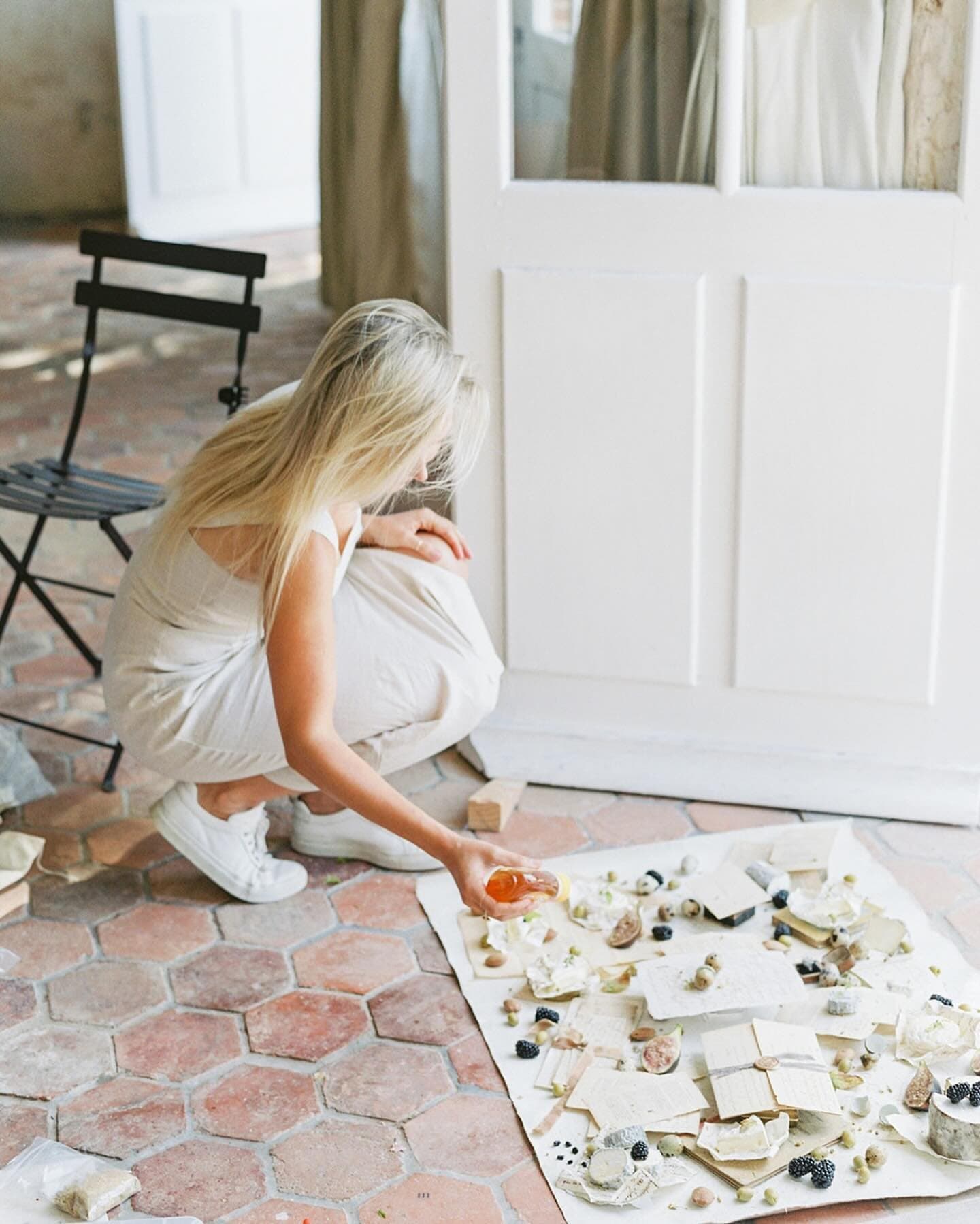
Wedding photography trends 2026 are embracing the imperfect, the handmade, and the one-of-a-kind. Hand-painted backdrops bring an artisanal quality to your work that instantly elevates it from ordinary to extraordinary. Each brush stroke tells a story. The subtle color variations and textural depth create dimension that no seamless paper or vinyl can replicate.
Still using flat, lifeless backdrops? Textured surfaces and warm, earthy tones are defining 2026 wedding photography trends. Now is the time to update your styling.
The Anti-Perfection Movement Accelerates in 2026
Seamless paper backdrops peaked and plateaued. Clean, flawless, perfectly uniform surfaces flooded the market, and then something predictable happened: they all started looking identical.
2026 is bringing an accelerated backlash against that uniformity. Hand-painted surfaces with visible brushstrokes, subtle color variations, and organic texture are becoming the differentiator. Not because they're trendy, but because they create distinctive work that stands out in a saturated market.
Think about what happens when light hits a hand-painted canvas versus a solid vinyl backdrop. The painted surface has dimension. Shadows fall differently across subtle texture variations. Your subject pops without you needing to add artificial separation in post.
This matters especially in challenging wedding day scenarios. That dimly lit getting-ready room? A textured backdrop gives you visual interest even with limited lighting. The cramped bridal suite with terrible walls? You're no longer at the mercy of the venue's interior design choices.
A high-quality textured backdrop adds depth, softness, and versatility, making it a staple for modern wedding photography in 2026.
The Portability Factor: Why Location Flexibility Matters More in 2026
Wedding photography heading into 2026 demands even more flexibility than ever. You're shooting in Airbnbs, private estates, boutique hotels, and venues that exist solely because they photograph well, not because they have adequate preparation spaces.
Your gear has to move seamlessly. A backdrop that only works in your studio limits your 2026 booking potential.
The 5-minute setup threshold is becoming the baseline expectation. If you can't get from rolled canvas to shoot-ready in that timeframe, you're losing precious minutes on wedding days where every moment counts. That's the difference between capturing a full portrait session or rushing through it.
Consider the typical 2026 wedding day reality: you have 20 minutes for bridal portraits before hair and makeup needs touch-ups. Or you want to photograph the bride with her bouquet in beautiful natural light before the ceremony starts. You don't have time to wrestle with complicated setup systems.
The photographers who will thrive in 2026 can roll into any location and instantly create a professional shooting environment for portraits, couple shots, and floral photography. That ability to transform any space into a portfolio-worthy setting is what justifies premium pricing.
Beyond Wedding Days: Maximizing Your Investment
Smart wedding photographers in 2025 aren't buying backdrops just for wedding days. They're building tools that work across multiple revenue streams.
The same backdrop that photographs bridal portraits on Saturday works for:
- Mini portrait sessions throughout the week
- Styled shoots that build your portfolio (bridal editorials, floral campaigns)
- Brand photography for other wedding vendors (florists need beautiful backdrops for their arrangements)
- Product photography for your own print shop or album business
- Personal projects that keep your creativity sharp during slow seasons
This multifunctional approach transforms backdrops from a wedding-specific expense into a business asset that generates return across multiple income streams.
One photographer we know books $15,000 in mini sessions annually, all shot on the same three backdrops she uses for weddings. That's a 10x return on investment within the first year.
Styling Techniques That Will Dominate 2026
Having great backdrops means nothing if you're not using them strategically. Here's what's gaining traction heading into the new year:
The Cohesion Strategy
Don't be afraid to use the same backdrop multiple ways throughout a single wedding. This creates visual continuity across the gallery. Your bridal portrait, couple shots, and dramatic bouquet photography can all use the same backdrop with different angles and compositions.
This approach isn't lazy. It's intentional brand building. Clients planning 2026 weddings notice when their portrait gallery has a cohesive, editorial feel rather than looking like you shot against whatever walls the venue happened to have.
The Composition Flexibility Play
Textured backdrops give you options. Sometimes you want the backdrop to fill the frame completely, creating an immersive environment. Other times you want just enough texture peeking through to add interest without dominating the composition.
The photographers positioning themselves to dominate 2026 bookings understand this flexibility. They're not locked into one approach. They read the scene, understand what the subject needs, and adjust accordingly.
The Multi-Angle Approach
Here's a technique that separates amateur work from professional portfolios: shooting the same setup from multiple angles to show texture and dimension differently.
A bridal portrait photographed straight-on versus at a 45-degree angle creates two completely different images, even with identical posing. The textured backdrop responds to light differently at each angle, giving you variety without needing to completely reposition.
Building Your Collection Strategically (The Real Talk)
Let's address the elephant in the room: quality backdrops are an investment. They cost more upfront than seamless paper or cheap vinyl. So how do you build a collection without draining your business account?
Start with One Perfect Neutral
Your first backdrop should be a workhorse that handles 80% of wedding scenarios. Choose a warm neutral with enough texture to be interesting but subtle enough to work with any color palette. This becomes your safety net, the surface you grab when you need something that simply works.
Budget: $497-$650 for a quality hand-painted canvas backdrop in standard sizes that will last years. Larger formats (8x14) can reach $1,000, but most wedding photographers find the 8x10 size offers the best balance of coverage and investment for starting out.
Add Depth After Six Months
Once you've shot 5-10 weddings with your neutral backdrop and understand how you actually use it, add a second surface with more personality. This could be a deeper, moodier tone for editorial work or a lighter surface for fresh, airy aesthetics.
The key is waiting until you have real-world experience. Your second backdrop purchase should be informed by what you wish you had during actual wedding days, not what looks good on Instagram.
Build Your Signature Look
By your third backdrop, you're establishing a signature aesthetic. This is where you can get more adventurous. Choose something that represents your creative point of view and attracts your ideal clients.
Photographers commanding premium rates heading into 2026 have recognizable aesthetic signatures. Their portfolios feel cohesive because they've intentionally built backdrop collections that work together visually.
The ROI Reality Check
Here's the math that matters: a $500-$1,200 investment in a professional backdrop isn't just about image quality. It's about time efficiency, booking confidence, and long-term portfolio value.
Time Saved Per Wedding
With proper backdrops: 15 minutes of setup for portrait and floral photography Without backdrops: 40+ minutes scrambling for suitable walls, testing different locations, dealing with venue limitations
That's 25 minutes saved per wedding. If you shoot 20 weddings per season, that's 500 minutes (8+ hours) reclaimed. At $150/hour shooting rate, that's $1,200+ in time value annually. Your backdrop investment pays for itself in time savings alone within the first year.
Portfolio Quality Impact
Consistent, professional portrait and floral photography directly impacts booking rates. When couples planning 2026 weddings compare your gallery to a competitor's, cohesive backdrop usage for portraits signals professionalism and intentionality.
The photographers who upgraded their backdrop game in 2024-2025 reported an average 15-20% increase in booking inquiries and a 30% increase in clients choosing higher-tier packages. That translates to thousands in additional revenue that far exceeds the backdrop investment.
Client Experience Factor
There's something intangible but valuable about arriving on a wedding day with complete preparedness. When you pull out professional backdrops and transform a cramped hotel room into a beautiful shooting environment, clients notice. That confidence translates into reviews, referrals, and repeat bookings for family sessions.
What's Worth Buying for 2026
Not all backdrops are created equal, and the market is flooded with options. Here's what matters:
Hand-Painted vs. Printed
Printed backdrops photograph flat. Hand-painted surfaces have dimension that responds to light organically. The price difference is significant ($300-500 for printed vs. $500-1,200 for hand-painted), but so is the quality difference in your final images.
If you're building a portfolio to book $8,000+ weddings in 2026, printed backdrops will hold you back. The clients you want to attract can see the difference, and they're specifically seeking photographers who demonstrate elevated creative standards.
Canvas vs. Vinyl
Vinyl backdrops look cheap in 2026. They photograph flat, they read as dated in portfolios, and they signal to discerning couples that you're cutting corners on production value.
Hand-painted canvas, on the other hand, photographs with depth and sophistication. The texture responds to light naturally. The surface has dimension that creates separation between your subject and background without needing post-processing tricks. This is what elevated, editorial wedding photography looks like.
Beyond aesthetics, canvas simply performs better for on-location work. It travels without creasing, sets up faster, and doesn't reflect light the way vinyl does. Weight matters for practical reasons too: canvas backdrops in the 8x10 size range stay under 25 pounds for solo setup. The larger 8x14 backdrops are heavier but manageable with proper stand systems, and worth it for the coverage they provide.
Again if you're positioning yourself as a premium wedding photographer booking $8,000+ packages, vinyl backdrops will undermine that positioning every time. Canvas is the professional standard heading into 2026.
Color Psychology: What's Booking Weddings in 2026
Let's get specific about what colors are gaining momentum heading into 2026, because "trending colors" means nothing without context and real booking data.
Warm, Complex Neutrals (The Workhorses)
The shift from cool grays to warm neutrals isn't subtle anymore. We're seeing putty tones, limewash textures, and colors that read as "aged plaster" rather than "builder white." These photograph beautifully in natural light and work with literally any wedding color palette.
Why they work: Warm neutrals complement every skin tone, don't compete with colorful florals or styling elements, and age well in portfolios. A gallery shot on warm neutrals in 2025 won't look dated in 2027.
Terracotta and Clay Tones (The Editorial Choice)
Rich, earthy terracottas exploded this year, particularly for intimate weddings and editorial-style shoots. These colors photograph dramatically but not aggressively. They create mood without overwhelming your subjects, whether that's a flowing bridal gown or a dramatic cascading bouquet.
The psychology here matters: terracotta reads as intentional and artistic. It signals to potential clients that you're not just documenting their day, you're crafting visual stories. These backdrops show up consistently in portfolios that book $8,000+ packages.
Terracotta-inspired backdrops bring warmth, texture, and a timeless feel, making them a go-to choice for modern wedding photography.
Muted Sage and Olive (The Organic Trend)
Subtle sage greens, became the go-to for nature-inspired weddings and sustainable brand photography. Not bright, spring-green, but dusty, sophisticated sage tones that pair with botanical styling and wooden elements.
These colors work particularly well for photographers building a cohesive brand aesthetic. They're distinctive enough to be recognizable across your portfolio but neutral enough not to limit your styling options.
Muted sage and olive backdrops bring depth and a natural feel to modern wedding photography.
Dusty Blue and Coastal Tones (The Romantic Standard)
Ocean-inspired palettes evolved significantly. The bright, tropical blues of previous years gave way to softer, more muted coastal tones. Think fog over the Pacific rather than Caribbean vacation.
These colors create romance and calm without feeling themed. They work for beach weddings, obviously, but also translate beautifully to garden ceremonies and industrial loft receptions.
Hand-painted backdrops in muted blue tones create depth, contrast, and a modern styling approach.
The Environmental Consideration That Resonates with 2026 Couples
Couples planning 2026 weddings are increasingly conscious about sustainability. They're asking photographers about eco-friendly practices, and your gear choices matter to them.
Investing in quality backdrops that last 5+ years rather than disposable options you replace annually has real environmental impact. When you factor in companies that plant trees or use sustainable materials, you have a talking point that resonates with conscious couples and can be a differentiator when they're comparing photographers.
This isn't greenwashing. It's practical sustainability that aligns with modern values while making good business sense.
What 2026 Will Definitely Bring
Based on momentum building in late 2025, here are the developments you should prepare for:
Larger Format Backdrops Becoming Standard The 8x14 size is gaining serious traction for full-length bridal portraits and bridal party group shots. Photographers are done cropping carefully to avoid canvas edges. Expect this to become the preferred size for established wedding photographers who regularly shoot groups of 4+ people.
Layered Texture Combinations Mixing hand-painted backdrops with organic styling elements (raw wood, natural stone, fabric draping) to create dimensional environments rather than flat surfaces. This technique adds depth and sophistication that couples planning high-end weddings specifically request.
Video Integration Requirements As wedding videography continues growing, photographers need backdrops that work for both photo and video. Movement matters now. Static, printed backgrounds don't translate well to motion, but hand-painted canvases with organic texture photograph AND film beautifully.
Studio-Venue Hybrid Spaces More photographers are creating permanent backdrop setups in rented studio spaces specifically for portrait sessions and styled shoots, eliminating venue dependency entirely. This gives you complete creative control and consistent shooting conditions regardless of wedding venue quality.
Position Yourself for 2026 Success
The wedding photography industry in 2026 will reward preparedness, intentionality, and professional presentation more than ever. Backdrops aren't just backgrounds anymore. They're the visible difference between hoping venues have decent walls and knowing you can create stunning portraits anywhere, every time.
If you're still shooting bridal portraits against hotel walls or scrambling to find decent backgrounds at every venue, you're working harder than necessary and limiting your creative potential heading into the new year.
The photographers who will dominate 2026 bookings are investing now in tools that support their vision rather than constrain it. They're showing up to wedding days with complete creative control over their portrait and floral photography, regardless of venue conditions.
That confidence shows in their work, their client interactions, and ultimately, their business growth and premium pricing power.
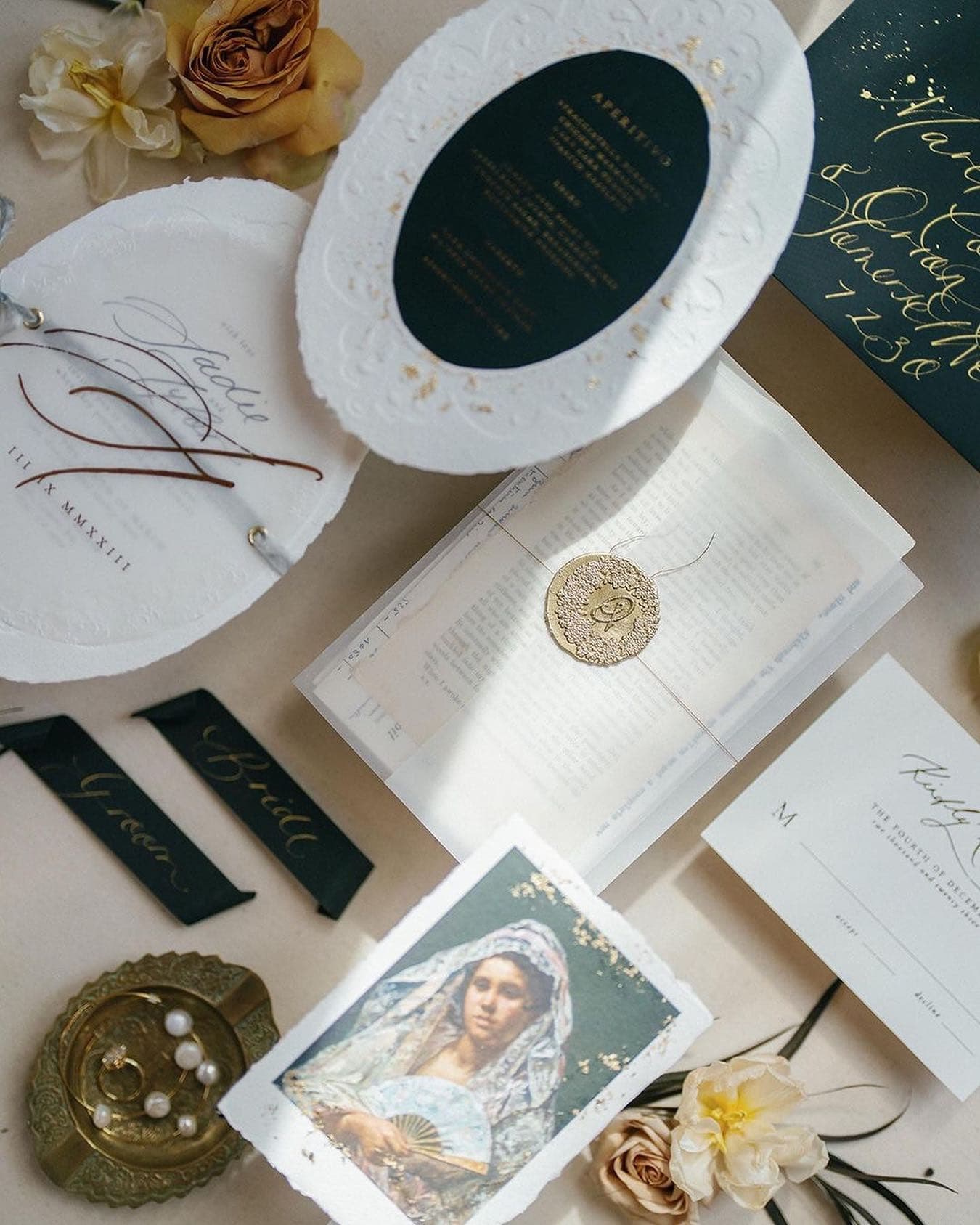
A warm-toned textured backdrop paired with soft light creates a romantic, editorial look for timeless wedding photography.
Ready to position yourself for 2026? Explore hand-painted canvas backdrops, artisan flat lay surfaces, and professional-grade styling tools built specifically for wedding photographers at chasingstone.com.
By Jennifer Kidd — Chasing Stone Co-Founder