
Are Spill-Proof Photography Mats Worth It?
Updated on Apr. 14, 2026
Every photographer who works with styled content knows the sinking feeling of a ruined surface. Coffee, wine, water from fresh flowers, makeup from beauty shoots, or condensation from styled beverages can destroy a fabric mat in seconds. Traditional styling surfaces offer no real protection, and replacing them gets expensive fast.
Spill-proof photography mats have emerged as a solution to this persistent problem. These stain-resistant surfaces claim to protect against the inevitable accidents that come with shooting flat lays, wedding details, product photography, and styled content. But with premium price tags attached, the question becomes practical rather than theoretical: do these surfaces actually deliver enough value to justify the cost?
The answer depends on how you work, what you shoot, and whether you're calculating the true cost of surface damage. This isn't just about preventing stains. It's about protecting your time, maintaining professional reliability, and eliminating the constant anxiety of working around liquids. Let's break down whether spill-proof photography mats make financial and practical sense for your business.
The True Cost of Ruined Photography Surfaces
Before we talk about whether spill-proof mats are worth buying, let's talk about what it costs when you don't have them. Traditional fabric mats and styling surfaces can range anywhere from $90 to $200 depending on size and quality. When you stain one beyond repair, that's money down the drain. But the financial hit goes deeper than just replacing the mat itself.
Think about the time cost. You're mid-shoot with a client's products or a bride's heirloom jewelry, and suddenly you need to pause everything, clean up the spill, swap out your surface, re-style the entire scene, and re-establish your lighting. That's easily 20 to 30 minutes of lost productivity. If you're billing hourly or working within a tight timeline for a wedding day, that delay translates directly to lost income or rushed work.
Then there's the opportunity cost. What if you can't recreate the shot exactly as it was? What if the lighting has changed, or you can't get the arrangement quite right the second time? Sometimes that one perfect shot you almost had becomes the one that got away, all because of a preventable accident.
For wedding photographers especially, the stakes are even higher. Time is extremely unforgiving on a wedding day. Detail shots need to happen in real time, often in less than ideal conditions like getting ready rooms with drinks nearby or outdoor venues where morning dew is a factor. Having surfaces that can handle moisture without permanent damage isn't just convenient. It's professional insurance.
What Makes a Mat Truly Spill-Proof?
Not all stain-resistant surfaces are created equal, and understanding the technology behind spill-proof mats helps you evaluate whether the investment makes sense. The market has plenty of products claiming to be "water-resistant" or "easy to clean," but there's a significant difference between surface treatments and true stain protection.
Many fabric treatments apply a coating on top of the material. These can work reasonably well at first, but they degrade over time with repeated cleaning, exposure to UV light, and general wear. After a few months of regular use, you might find that your supposedly stain-resistant mat isn't performing like it did when you first unboxed it.
The real innovation in spill-proof photography mats comes from protection that's infused into the fibers themselves rather than applied as a topcoat. This technology protects from within, meaning the stain resistance won't fade or wear off over time. It's permanent for the life of the fabric. When you're evaluating whether a spill-proof mat is worth the investment, this is the detail that matters most. A mat that loses its protective qualities after six months isn't really an investment at all.
Another critical factor is safety. The photography industry has become increasingly conscious about the materials we use, especially if you're shooting food, children's products, or anything that comes into contact with people. Look for surfaces treated with GREENGUARD Gold Certified compounds that are non-toxic and free of harmful chemicals like PFAS, PFOA, and formaldehyde. These forever chemicals have made headlines for their environmental and health impacts, and they're worth avoiding in products you'll be handling regularly.

Still worrying about spills during flat lay shoots? A spill-proof photography mat keeps your styling surface clean while you focus on the details.
Real-World Testing: What Actually Happens When You Spill
Theory is great, but what really matters is how these mats perform when the bride knocks over your iced latte during a home shoot, or when condensation from a styled beverage photo seeps across your surface. Let's talk about real-world scenarios.
Coffee is probably the most common culprit in photographer studios. It's dark, it stains aggressively, and let's be honest, most of us are running on it. On a traditional fabric surface, coffee creates an immediate and often permanent stain. Even if you blot it quickly, you're likely looking at a noticeable mark. With quality spill-proof photography mats, coffee beads up on the surface. You have time to grab a terry cloth towel and wipe it away completely. The key is using a textured cloth rather than paper towels, which can sometimes push liquid into the fibers instead of absorbing it.
Wine and colored beverages present an even tougher challenge. Red wine, in particular, is notoriously difficult to remove from fabric. If you shoot lifestyle content, styled tablescapes, or wedding details that include cocktails, this protection becomes invaluable. The same technology that repels coffee works on wine, juice, and other pigmented liquids. You're not racing against the clock quite as desperately, though obviously faster cleanup is still better.
Water damage might seem less dramatic than staining, but it's equally problematic. Fresh flowers are a staple in wedding and product photography, and they leave puddles, drips, and moisture that can cause fabric to warp, develop mildew, or show water marks. Spill-proof surfaces handle this moisture without the same risk of long-term damage. You can shoot with fresh florals, work in humid outdoor conditions, or style scenes with ice and cold beverages without constantly worrying about water contact.
For tougher stains that do occasionally happen, especially if something sits on the surface for a while before you notice it, hydrogen peroxide or rubbing alcohol can be used without damaging the fabric. This gives you options even in worst-case scenarios, something traditional mats don't offer.
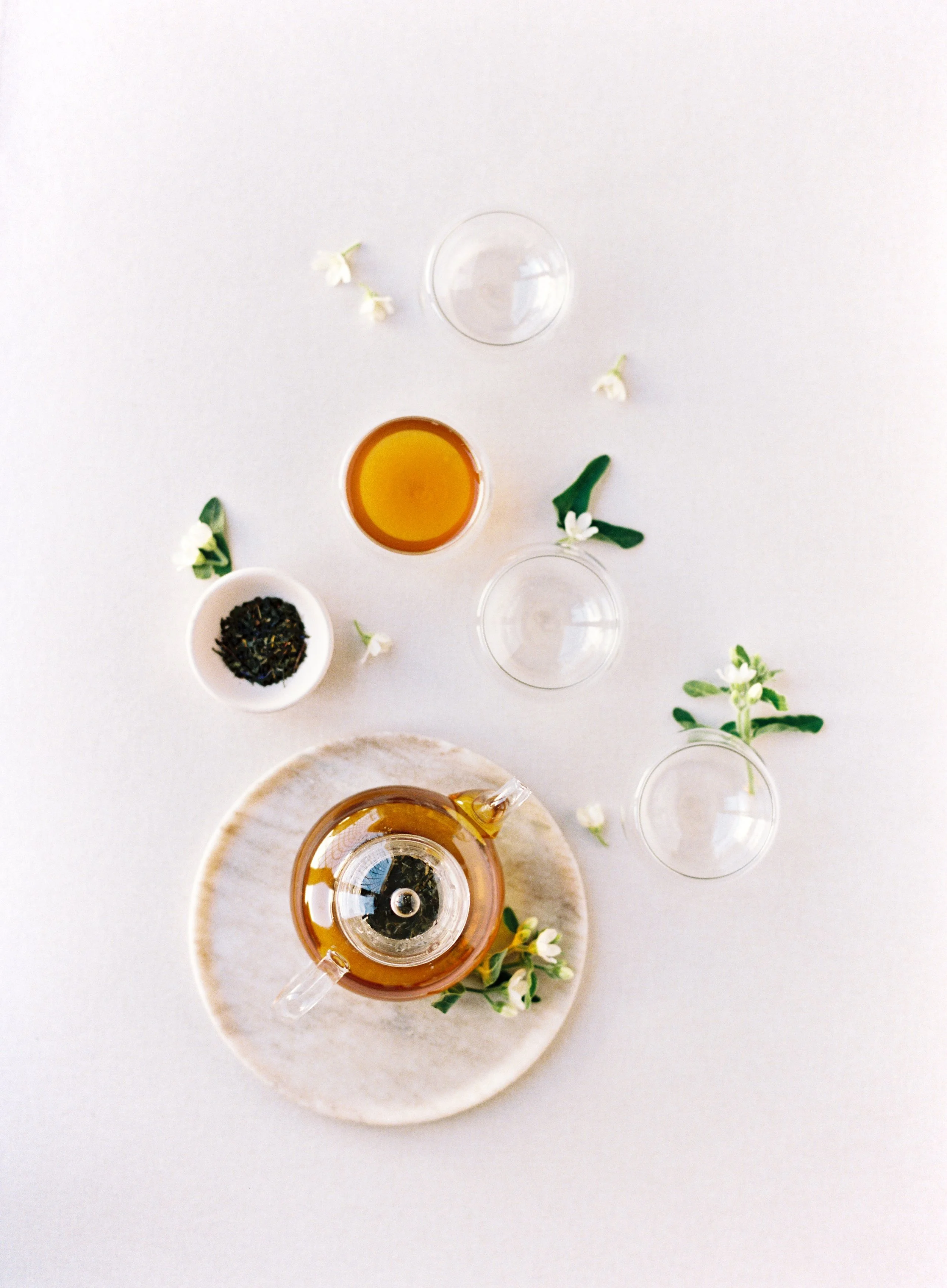
When you're working with glassware and liquids, a spill-proof photography surface protects your setup and keeps your flat lays looking clean and professional.
The ROI Breakdown: Crunching the Numbers
Let's get practical and talk about return on investment. Spill-proof photography mats typically cost more upfront than traditional fabric surfaces. Is that premium price tag justified?
Consider a mid-range traditional fabric mat at around $75. If you're shooting regularly and have even one significant spill every six months, you're replacing that surface twice a year. That's $150 annually just on replacements. Over a three-year period, you're looking at $450 spent on surfaces that keep getting ruined. And that's a conservative estimate assuming only two incidents per year. If you're shooting daily or working in high-risk environments like weddings with champagne or food photography with sauces, you might be replacing surfaces quarterly or even more frequently.
Now consider a spill-proof mat with permanent stain protection. Yes, it might cost more initially, perhaps $100 to $175 depending on size and specific features. But if that surface lasts you three years or longer without needing replacement due to stains, you've already saved money. More importantly, you've eliminated the replacement cycle entirely. You're not constantly shopping for new mats, waiting for shipping, or dealing with the frustration of not having the exact color you need in stock.
The time savings amplify the financial benefits. Every avoided reshoot, every spill cleaned in 30 seconds instead of 30 minutes, every client session that runs smoothly without interruption adds up. If you bill $150 per hour and spill-proof surfaces save you just one hour of reshoot time over a year, they've paid for themselves. For busy wedding photographers shooting 20 to 30 weddings per season, the reliability alone is worth the investment.
There's also a less tangible but very real value in peace of mind. When you're not constantly worried about protecting your surfaces, you can focus more energy on creativity, client interaction, and actually capturing great images. You can accept projects that involve higher-risk scenarios like beverage photography or outdoor shoots without hesitation. That confidence can lead to more diverse portfolio work and potentially higher-paying clients.
Choosing the Right Colors and Textures for Your Work
When you're investing in spill-proof photography mats, choosing the right colors for your specific type of work matters. These surfaces will become workhorses in your kit, so you want options that complement rather than limit your creative vision.
For wedding photographers, neutrals are non-negotiable. Soft grays, warm taupes, and creamy whites work with virtually any wedding aesthetic from modern minimalist to romantic garden style. A surface like Vetiver offers that warm, earthy neutral that pairs beautifully with both gold and silver jewelry, works with any invitation color palette, and photographs consistently across different lighting conditions. The vegan wool texture adds subtle depth without competing with your subjects.
Dusty, muted tones have become incredibly popular in wedding and branding photography. Colors like Manzanita, with its sophisticated mauve undertones, bridge the gap between neutral and colorful. This kind of hue works particularly well for spring and summer weddings, feminine branding content, and product photography for beauty or wellness brands. It's distinctive enough to create a mood but subtle enough not to overwhelm delicate subjects.
Rich, deep tones like Sequoia bring drama and sophistication to flat lay photography. These darker surfaces are perfect for moody editorial work, masculine branding content, autumn weddings, and creating contrast with light-colored subjects. They're especially effective for jewelry photography where you want metal and stones to pop against the background. The key with darker mats is ensuring you have enough light to avoid your images feeling too heavy or losing detail in shadows.
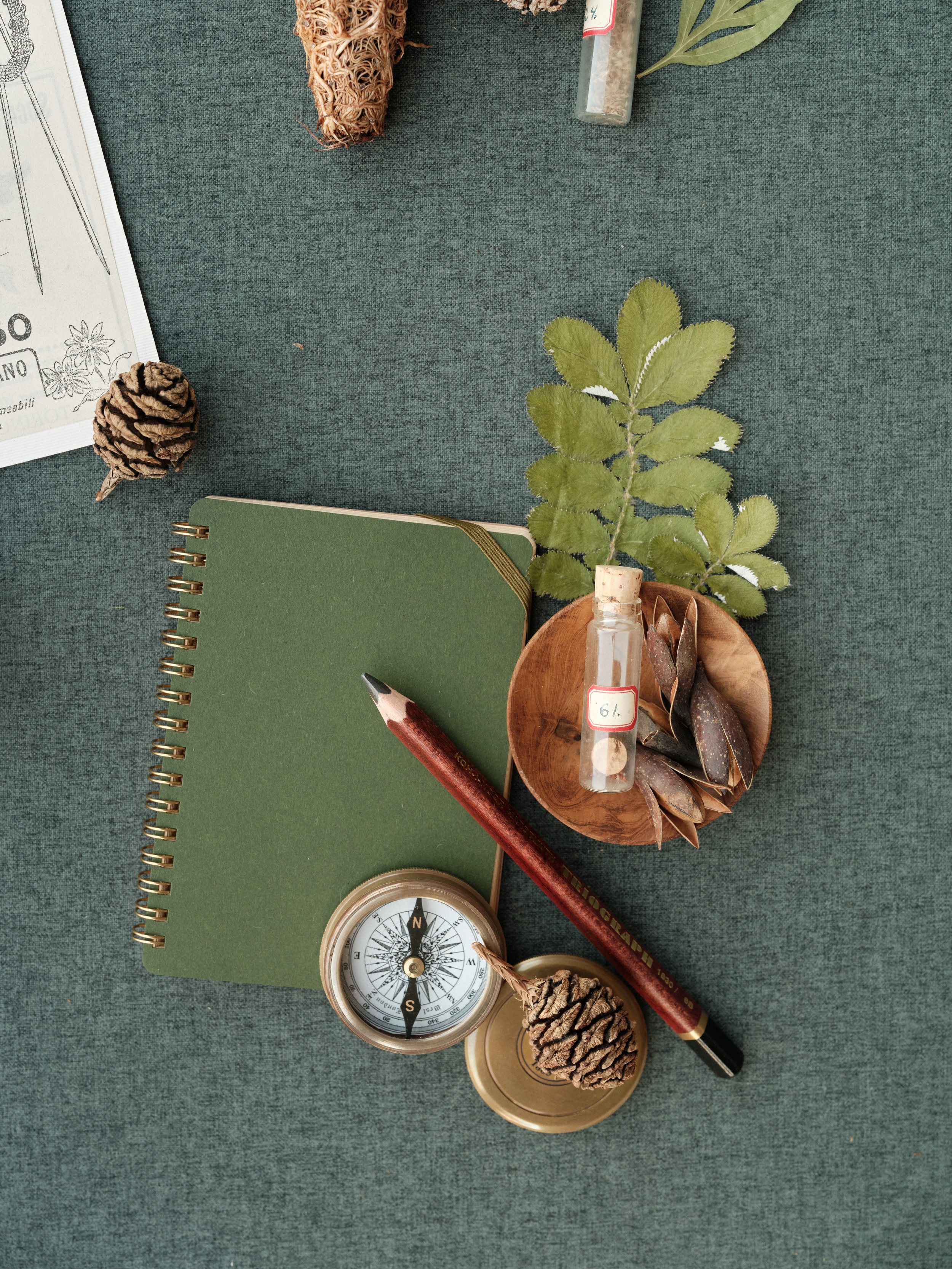
You’ve gathered the perfect props but one spill or mark can set you back. That’s why many photographers invest in spill-proof mats for everyday shoots.
For photographers who need versatility, mid-tone options like Ceanothus offer the best of both worlds. Not too light, not too dark, these surfaces work across multiple seasons and styles. They're particularly useful if you shoot diverse content or want fewer mats in your kit while maintaining creative flexibility. Florist photographers especially appreciate these middle-ground tones that don't compete with colorful blooms but provide more interest than stark white.
Don't overlook nature-inspired greens like Echeveria. These organic tones have exploded in popularity for sustainable brand photography, botanical product styling, and natural wedding aesthetics. Soft sage and muted green surfaces pair beautifully with organic textures, wooden elements, and earth-toned color palettes. They're unexpected enough to make your work stand out while remaining sophisticated and professional.
Practical Tips for Maintaining Spill-Proof Surfaces
Even with the best stain-resistant surfaces, proper care extends their life and keeps them looking pristine. Here are some practical maintenance strategies that working photographers have found most effective.
Storage makes a bigger difference than you might think. Always roll your fabric mats tightly around their inner core and secure them with the retaining band they came with. This prevents creasing and keeps dust from settling into the fabric texture. Store them in their original packaging tubes if possible, especially if you're traveling to shoots or keeping them in a home studio where pets might investigate.
For everyday touch-ups and minor dust, a lint roller or masking tape works wonders. Just press and lift to remove small particles, pet hair, or dust before shoots. This quick 30-second habit keeps your surfaces looking fresh between deeper cleanings and ensures you're not photographing dust particles you'll need to edit out later.
When you do need to iron out wrinkles (and you will, especially after surfaces have been stored for a while), use a standard home iron on an appropriate setting for the fabric type. Place a thin pressing cloth between the iron and your mat if you want extra protection, though most quality spill-proof surfaces can handle direct ironing. The key is keeping your mat looking smooth and professional in your images, and a quick pass with an iron before a shoot is time well spent.
For spot cleaning, keep a textured terry cloth towel in your kit. The texture is genuinely important because it helps lift liquid and particles away from the surface rather than spreading them around. For fresh spills, blot rather than rub. For dried spots or more stubborn marks, slightly dampen your terry cloth and work the spot gently. Most everyday stains lift easily, but having hydrogen peroxide or rubbing alcohol on hand gives you options for anything particularly persistent.
The canvas backing on single-sided mats needs attention too. While it's not your shooting surface, keeping it clean prevents transfer of dirt or marks to the fabric side during storage or transport. A white art gum eraser (the kind you probably used in art class) works perfectly for cleaning the canvas back. Just rub gently over any marks and watch them disappear. This small detail keeps your entire surface system working smoothly.
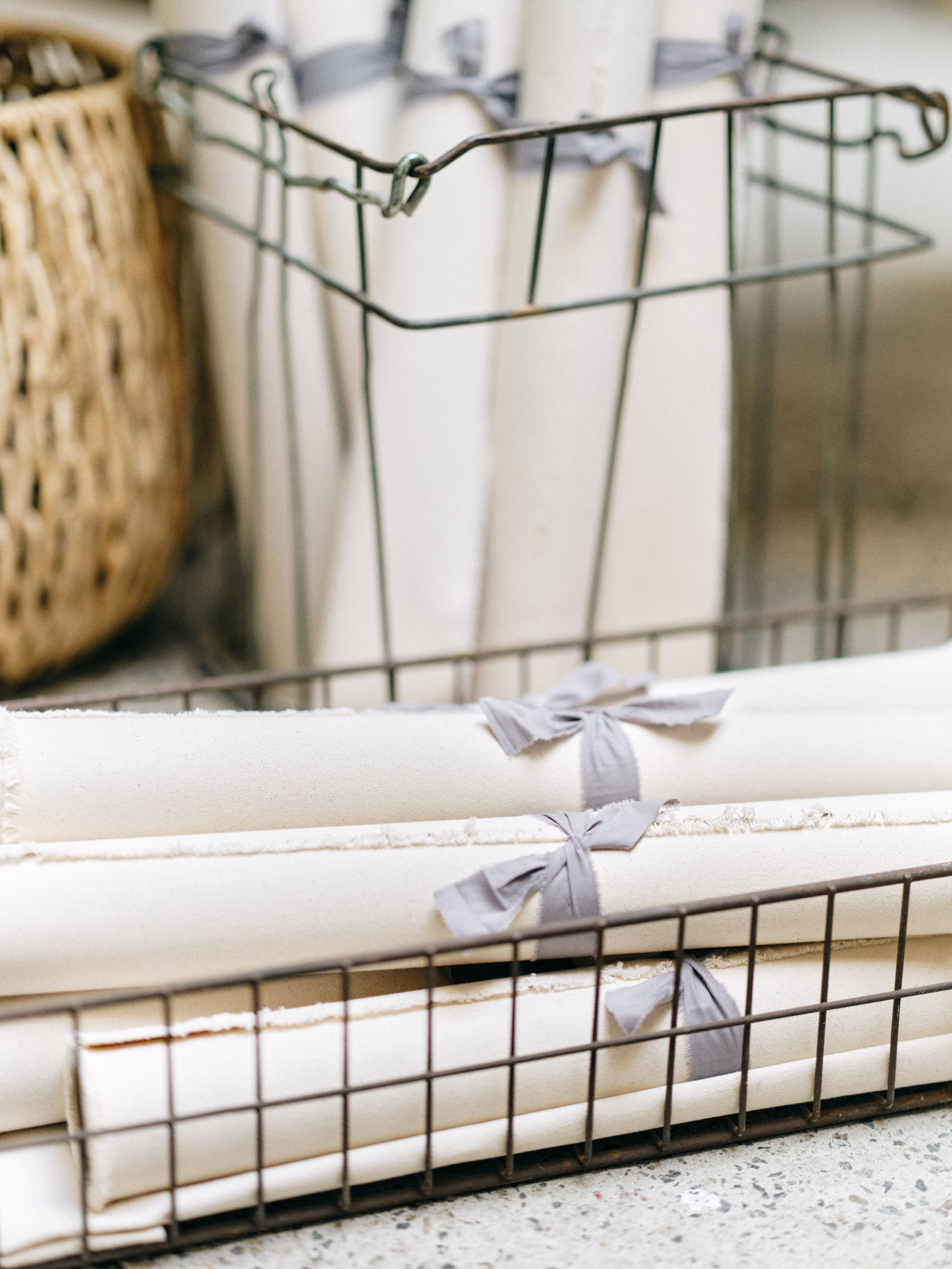
High-quality, spill-proof photography mats are built to last, making storage, transport, and repeated use far more reliable for busy photographers.
Making the Investment Decision
So, are spill-proof photography mats worth it? For photographers who shoot regularly with any risk of liquid exposure, the answer is a clear yes. The cost comparison alone justifies the investment, but when you factor in time saved, professional reliability, creative freedom, and simple peace of mind, these surfaces quickly prove their value.
They're particularly worthwhile for those who work in unpredictable environments and if you're shooting anything where a spill would be more than a minor inconvenience, stain-resistant surfaces belong in your kit.
The key is choosing quality products with permanent protection rather than temporary surface treatments. Look for mats where the stain-proofing is infused into the fibers themselves, not just sprayed on top. Verify that the materials are safe and sustainably produced. And consider building a small collection of complementary colors so you have options for different projects and aesthetics.
Your photography business deserves tools that support your creativity rather than limiting it. When you're not worried about protecting your surfaces, you can focus on what really matters: capturing beautiful, compelling images that wow your clients and build your reputation. Spill-proof photography mats aren't just about preventing stains. They're about investing in consistency, professionalism, and creative confidence that pays dividends every single time you shoot.
If you're tired of replacing stained surfaces or holding your breath every time you shoot near liquids, it might be time to upgrade your toolkit. Chasing Stone offers handcrafted styling surfaces with permanent stain protection built into every fiber, giving you one less thing to worry about during shoots.
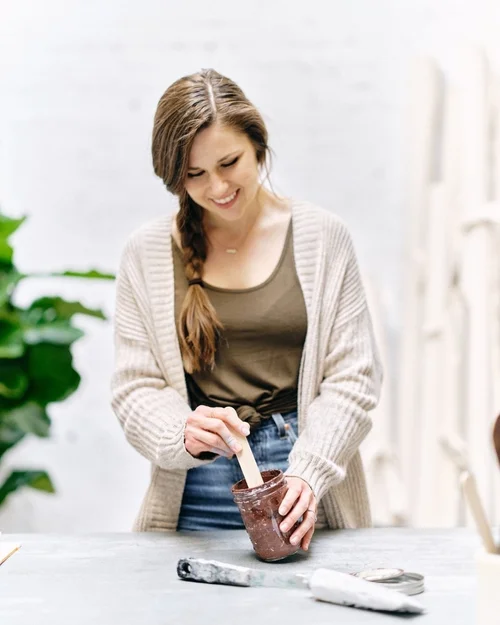
Creators of premium photography backdrops and styling surfaces
Trusted by thousands of discerning creatives worldwide
Every piece is handcrafted with intention in Orange County, California