
Building a Wedding Photography Portfolio with Backdrops: Editorial Feature Tips for 2026
Posted on May 21, 2026
There is a moment in every wedding photographer's career when the portfolio stops being a collection of images and becomes an argument. An argument for a particular way of seeing, a specific relationship with light, a visual language so deliberate that a prospective client can recognize it before reading a single word. That argument is won or lost in the details that most photographers treat as afterthoughts, and none of those details carries more weight than the surface behind the subject.
A hand-painted canvas backdrop transforms a wedding photography portfolio from competent documentation into editorial work worthy of publication in Vogue, Over the Moon, or Style Me Pretty. The shift is not incremental. It is categorical: the distance between an image that records a moment and one that constructs a world.
We know this because we build those surfaces. Jennifer hand-paints every Chasing Stone backdrop herself, layering pigment over premium cotton canvas across two to three days per piece. The result is a surface with actual physical depth, tonal variation that changes as the light source moves, and a dimensional quality that no printed or mass-produced alternative can replicate. When photographers like Jose Villa choose hand-painted canvas over every other option available to them, they are making a portfolio decision as much as a practical one. The backdrop does not merely appear behind the subject. It participates in the image. It becomes part of the visual signature that editors, clients, and publications recognize as distinctly yours.
This guide explores how to leverage hand-painted photography backdropsas a portfolio-building tool, from selecting colorways that define your editorial identity to curating the kind of work that earns features in the publications your ideal clients already follow.
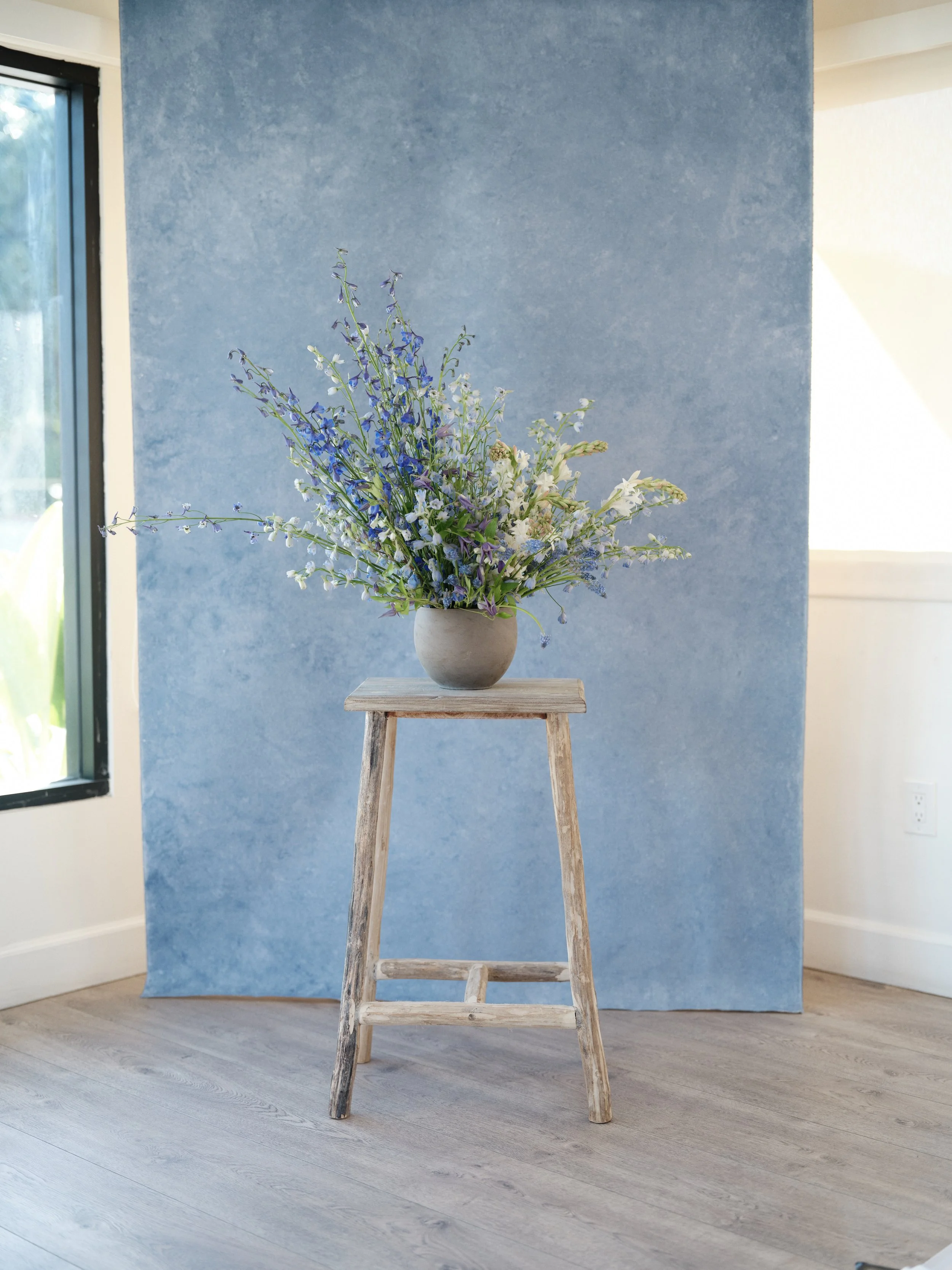
Every Chasing Stone canvas is hand-painted by Jennifer in California using premium cotton and layered pigment over two to three days. No two canvases are identical, which means your portfolio carries a visual signature that is genuinely yours.
Quick Answer
Hand-painted canvas backdrops elevate a wedding photography portfolio by introducing texture, tonal depth, and editorial polish that printed or vinyl alternatives cannot match. Starting at $497 for a 5x8 ft Chasing Stone canvas, a single backdrop investment can redefine the visual language of an entire portfolio, positioning your work for publication features in outlets like Over the Moon and Style Me Pretty while attracting higher-caliber clients who recognize and value that level of intentionality.
Why the Surface Behind the Subject Defines Your Portfolio
Every portfolio tells two stories. The first is the one the photographer intends: their best compositions, their most beautiful light, their most compelling subjects. The second is the story the viewer reads between the frames, the unconscious assessment of taste, investment, and creative authority that determines whether a prospective bride saves your website or closes the tab.
The surface behind the subject is where that second story lives. A plain white wall communicates convenience. A wrinkled muslin reads as budget-conscious. A mass-produced vinyl backdrop with a printed texture pattern signals that the photographer understands the concept of backdrops but has not yet committed to the craft of them. And a hand-painted canvas, with its layered pigment, its brushstroke topography, its tonal shifts under changing light, communicates something else entirely: that this photographer curates every element of the frame with the same care a gallery director brings to hanging an exhibition.
The distinction is not subjective. It is physics. Hand-painted cotton canvas absorbs and diffuses light, creating soft tonal gradations across the surface. Vinyl reflects light, producing hot spots that flatten the image and compete with the subject for the viewer's attention. Muslin wrinkles under its own weight and produces a repetitive, mechanical texture that the camera reads as exactly what it is: mass-produced fabric. Canvas, by contrast, responds to light the way a painting in a gallery responds to light. Directionally. Dimensionally. With depth that changes as the source moves.
Hand-painted cotton canvas absorbs and diffuses studio light, while vinyl reflects it, creating hot spots that flatten the tonal range of the image. This is not a matter of preference. It is a matter of physics, and it shows in every frame.
For portfolio work, this difference is the difference between an image that sits on the page and one that pulls the viewer into the frame. The texture of a hand-painted surface adds a painterly quality to the background that gives portraiture its dimensionality, the sense that the subject exists in a space with atmosphere and depth rather than standing in front of a flat surface. That painterly quality is precisely what editors at publications like Over the Moon, which was founded by Vogue editor Alexandra Macon, look for when reviewing submissions. It signals that the photographer is operating at the editorial level, not simply documenting a wedding.
Selecting Colorways That Build Your Editorial Identity
Color is the fastest visual shorthand for brand identity. A wedding photographer whose portfolio is built on warm earth tones tells a fundamentally different story than one working in cool neutrals, and the most sophisticated portfolios are built on a palette strategy rather than individual color choices. The backdrop is the foundation of that strategy because it is the one element the photographer controls completely, session after session, regardless of venue, weather, or the bride's color scheme.
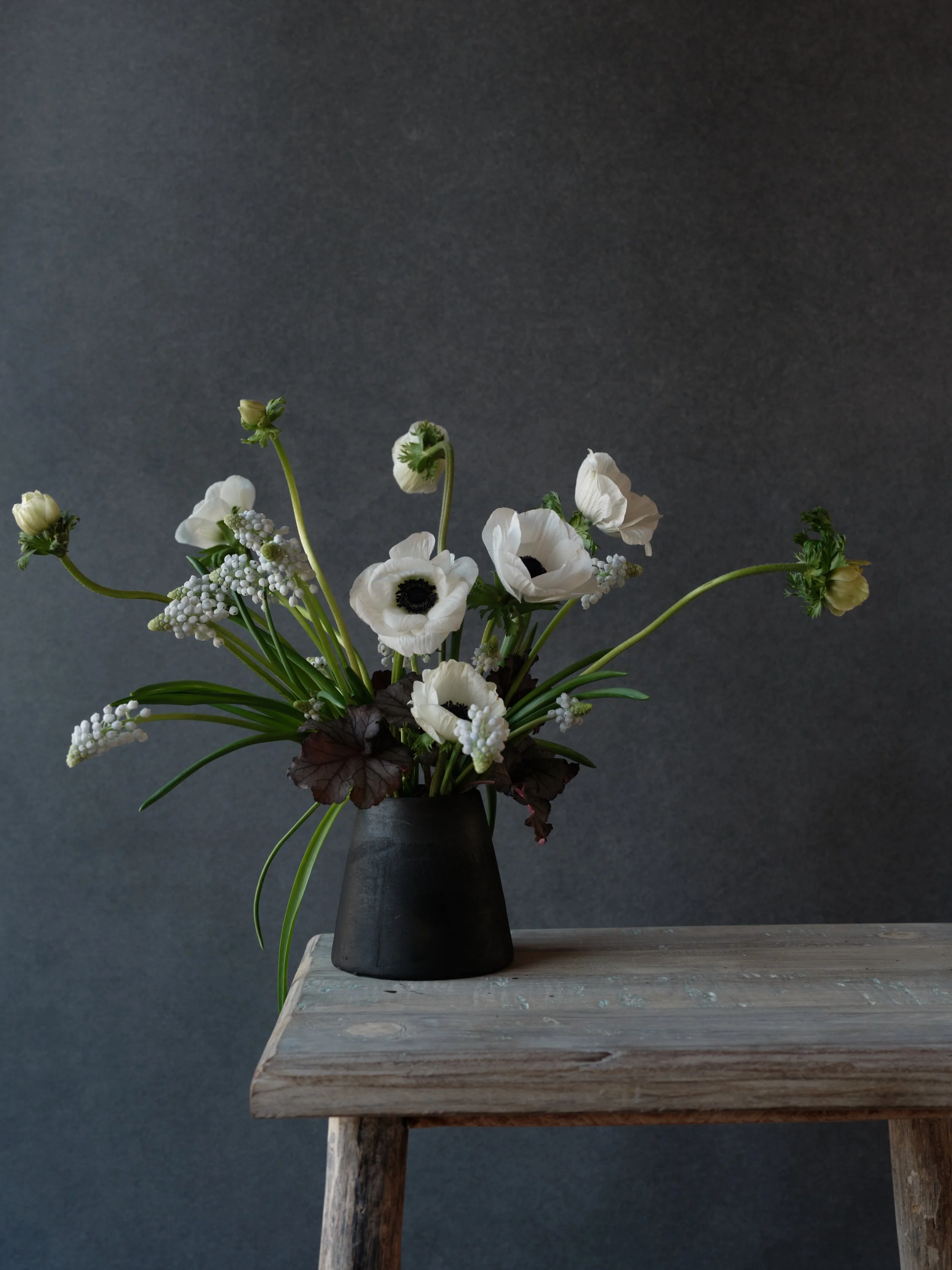
Building your portfolio for next season? A dark hand-painted canvas like Graphite gives white florals the editorial contrast that publications notice first. Shop Chasing Stone's collection starting at $497.
For bridal portraiture, warm-toned hand-painted canvases remain the most consistently flattering choice across skin tones and the most requested by the publications setting editorial standards in 2026. The Limestone canvas, with its pale warm cream tonality, functions as a near-universal bridal backdrop: warm enough to flatter every skin tone from fair to deep, neutral enough to complement any floral palette or gown color, and textured enough to add dimension without competing with the subject. It is the canvas equivalent of north-facing window light, quietly beautiful and unfailingly generous.
The Clay canvas occupies a different register entirely. Its terracotta warmth introduces a mood that reads as Mediterranean, as desert sun, as the warmth of old European plaster walls. For photographers building an editorial portfolio with a warm, richly saturated aesthetic, Clay defines a visual world that clients recognize as a specific point of view rather than a generic backdrop choice. Pair it with golden hour lighting, whether natural or replicated in studio, and the canvas activates: the brushstrokes cast their own micro-shadows, the layered pigment shifts from cool undertone to warm surface, and the image acquires the kind of atmosphere that stops a scroll.
The Sandstone canvas sits between the two. Its warm beige tonality offers versatility without neutrality, warmth without saturation, a surface that feels deliberate without demanding attention. For photographers who want a single canvas to anchor their bridal portfolio, Sandstone is often the strategic first investment: flattering, editorially credible, and flexible enough to serve seated bridal portraits, full-length fashion-forward compositions, and intimate detail work with equal grace.
A Chasing Stone hand-painted canvas backdrop in Limestone, starting at $497 for the 5x8 ft size, functions as a near-universal bridal portrait surface: warm enough to flatter every skin tone, neutral enough for any floral palette, and textured enough to add editorial dimension without competing with the subject.
Beyond the warm palette, cool neutrals serve a different portfolio function. The Slate canvas, a concrete-like architectural gray, introduces a contemporary edge that reads as fashion-forward rather than traditional. It is not a jewel tone and should not be mistaken for one. Slate is the visual language of minimalist architecture, of gallery walls, of editorial fashion. For photographers building a portfolio that speaks to modern, design-conscious clients, Slate offers a counterpoint to the warm palette that expands the portfolio's range without fracturing its identity.
Jennifer paints each of these colorways by hand, and no two canvases in the same colorway are identical. The variation is the point. Where a printed backdrop produces the same pattern in every frame, a hand-painted surface carries the specific marks of its creation: the direction of the brush, the weight of the pigment, the way each layer interacts with the one beneath it. In portfolio work, this uniqueness becomes a differentiator that compounds over time. Your Limestone does not look like anyone else's Limestone, which means your bridal portraits carry a visual signature that is genuinely, materially, yours.
Building a Cohesive Portfolio Around a Backdrop Strategy
The most common portfolio mistake among wedding photographers is not a lack of skill. It is a lack of cohesion. The portfolio contains beautiful images from dozens of weddings, each shot against different backgrounds: hotel room walls, venue hallways, outdoor gardens, rented studio spaces. The individual images are strong, but the collection feels scattered. There is no visual throughline, no signature look, no consistent world that the viewer enters and does not want to leave.
A backdrop strategy solves this by establishing visual constants. When your bridal portraits are consistently photographed against hand-painted canvas, the portfolio acquires a tonal consistency that transcends individual sessions. The viewer stops noticing the backdrop and starts recognizing your aesthetic. This is how editorial photographers like Jose Villa build recognition: not by shooting the same thing repeatedly, but by establishing visual constants (light quality, tonal palette, material choices) that make every image feel like it belongs in the same body of work.
The practical approach is sequential. Begin with a single hand-painted canvas in the warm neutral range, the Sandstone or Limestone, and use it for every bridal portrait session for three to six months. This constraint forces creative discipline: you learn exactly how that surface responds to different lighting angles, how it interacts with different skin tones, how it behaves at different distances. You develop an intimate relationship with the material, the same way a painter develops a relationship with a specific canvas or a chef with a particular knife.
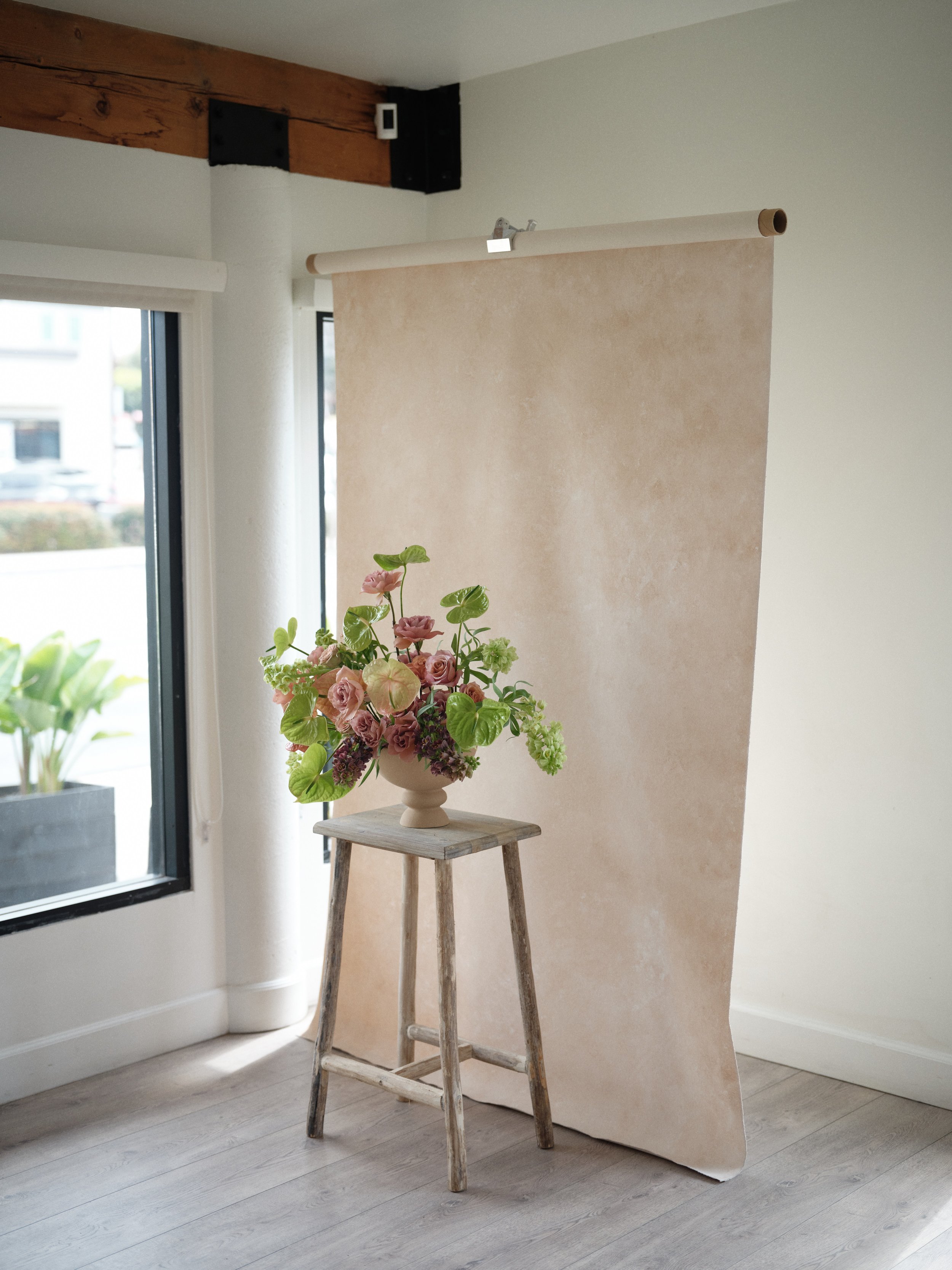
Sandstone sits between cream and beige, warm enough to flatter every skin tone, neutral enough to anchor an entire bridal portfolio. The strategic first canvas for photographers building toward publication.
After you have built a body of ten to fifteen strong images on that first canvas, introduce a second surface that extends your palette without breaking it. If your anchor is Sandstone, consider Umber, whose deep brown tonality adds dramatic range while staying within the warm family. If you started with Limestone, Rose-Quartz introduces a soft pink dimension that reads as romantic without departing from the cream-to-blush spectrum.
The Chasing Stone Studio Pack Three bundle is designed precisely for this strategy: three 5x8 ft hand-painted canvases at $1,371 (a savings over purchasing individually), allowing you to establish a warm anchor, a dramatic extension, and a cool counterpoint in a single investment. For the photographer building a portfolio with publication ambitions, the bundle represents the infrastructure of a visual brand.
What Editors Actually Look For: Crafting Submission-Ready Work
Publication in wedding editorial outlets is not a vanity metric. It is a business tool. A feature in Over the Moon, Style Me Pretty, or Martha Stewart Weddings positions your work in front of precisely the clients you want to attract: couples with significant budgets, refined taste, and an expectation that their photographer operates at the editorial level. A single feature can generate inquiries for twelve to eighteen months, and the backlink improves your site's domain authority for years.
But getting published requires understanding what editors actually evaluate when reviewing submissions. It is not simply "pretty pictures." Over the Moon, founded by Vogue editor Alexandra Macon, reviews submissions for cohesive visual storytelling, editorial intentionality, and a point of view that feels distinct rather than derivative. Style Me Pretty requires 60 to 150 images per submission, exclusively unpublished, with crisp full-color processing that honors the design details. Both publications specifically note that aesthetic fit matters more than reach, and both have visual languages that favor textured, dimensional, editorially composed work over documentation-style coverage.
Hand-painted canvas backdrops contribute to editorial readiness in three specific ways. First, they establish production value. An editor reviewing a submission can immediately distinguish between a portrait shot against a hand-painted surface and one shot against a hotel room wall. The canvas signals that the photographer styled the shoot with intentionality, that they brought their own visual environment rather than relying on the venue to provide one. Second, the dimensional texture of hand-painted canvas creates the kind of images that reproduce well in editorial layouts, where the subtle tonal variation reads as atmosphere rather than noise. Third, the consistency of working with a curated palette of canvases produces the cohesive gallery narrative that editors evaluate when deciding whether a wedding tells a publishable story.
Over the Moon, founded by Vogue editor Alexandra Macon, and Style Me Pretty both evaluate submissions for editorial intentionality and cohesive visual storytelling, favoring textured, dimensional work over documentation-style coverage. Hand-painted canvas backdrops signal the production value these publications expect.
The most common reason wedding photography submissions are declined is not technical quality. It is a lack of editorial voice. The images are well-exposed and well-composed but interchangeable with thousands of other submissions. A consistent backdrop strategy differentiates your submissions at the most fundamental visual level: the surface, the texture, the tonal world you create for every portrait in the gallery.
The Portfolio Session: Shooting Specifically for Your Book
There is a difference between the images you deliver to clients and the images you shoot for your portfolio, and the most successful editorial photographers treat portfolio building as a distinct discipline with its own workflow. The client gallery prioritizes coverage, moments, and comprehensive documentation. The portfolio prioritizes visual impact, cohesion, and the specific aesthetic statement you want to make to prospective clients and editors.
Dedicated portfolio sessions, whether styled shoots with collaborating vendors or specifically designated moments during real weddings, are where backdrop investment pays its highest dividend. In a styled shoot, you control every element: the model, the gown, the florals, the light, and the surface. This is where you can explore the full range of a hand-painted canvas, where you can spend twenty minutes finding the exact lighting angle that reveals the brushstroke topography of a Clay canvas or the precise distance at which the tonal variation of a Sandstone surface resolves into a soft, painterly wash behind the subject.
During real weddings, the portfolio opportunity lives in the bridal portrait window. Most wedding timelines allocate fifteen to thirty minutes for formal bridal portraits, and this is where a travel-ready hand-painted canvas transforms a routine obligation into the strongest image in your portfolio. Set up the canvas in the best available light (a north-facing window, a shaded outdoor alcove, a doorway with diffused daylight), position the bride at a distance that allows the canvas texture to soften into atmospheric depth (typically six to eight feet, shooting at f/2.8 or wider with an 85mm or 105mm lens), and you have created the conditions for an image that belongs in a publication.
The 5x8 ft canvas handles headshots and three-quarter compositions. The 8x10 ft size, starting at $797, covers full-length bridal portraits with room for the gown to breathe. For photographers who regularly shoot full-length editorial work or bridal parties, the 8x14 ft format at $1,197 provides the coverage to compose without cropping.
Light, Distance, and Depth: Technical Considerations for Portfolio-Quality Backdrop Images
The technical interaction between lens, light, and hand-painted canvas is what separates portfolio-caliber work from standard backdrop portraiture. Understanding this interaction is not optional for photographers building editorial portfolios. It is the foundation of the visual quality that editors and high-end clients recognize.
At close distances with wide apertures (f/1.4 to f/2 on an 85mm lens, subject three to four feet from the canvas), the hand-painted texture dissolves into a rich, painterly blur. The brushstrokes are no longer individually visible, but their tonal variation creates a depth in the bokeh that is qualitatively different from the flat, uniform blur produced behind a printed or solid-color backdrop. This is the rendering that fine art wedding photographers prize: a background that feels alive, that has presence, that contributes to the image without competing with the subject.
At moderate distances (f/2.8 to f/4, subject five to seven feet from canvas), the texture begins to emerge. The viewer can sense the dimensional quality of the surface without being able to identify individual brushstrokes. This is the sweet spot for three-quarter and full-length bridal portraits: enough texture to signal that the surface is hand-painted, enough softness to keep attention on the subject. For photographers referencing the camera settings guide for photography backdrops, this distance range paired with these aperture values consistently produces the most publication-ready results.
Light direction matters as much as distance. We have observed, across thousands of canvases and tens of thousands of images shared by photographers working with our surfaces, that a hand-painted canvas reveals its full character under directional light at roughly 45 degrees to the surface plane. At this angle, the brushstroke ridges cast their own micro-shadows, the layered pigment shifts between its cooler undertones and warmer top layers, and the surface acquires the three-dimensional presence that makes editorial work feel different from commercial portraiture. Direct, flat lighting, by contrast, neutralizes the very texture that makes the canvas valuable. For photographers seeking a deeper exploration of this interaction, our guide to lighting hand-painted canvas backdrops covers natural and studio lighting setups in detail.
At a 45-degree lighting angle, hand-painted canvas brushstrokes cast their own micro-shadows and the layered pigment shifts between cooler undertones and warmer top layers, producing the three-dimensional presence that distinguishes editorial portraiture from standard backdrop photography.
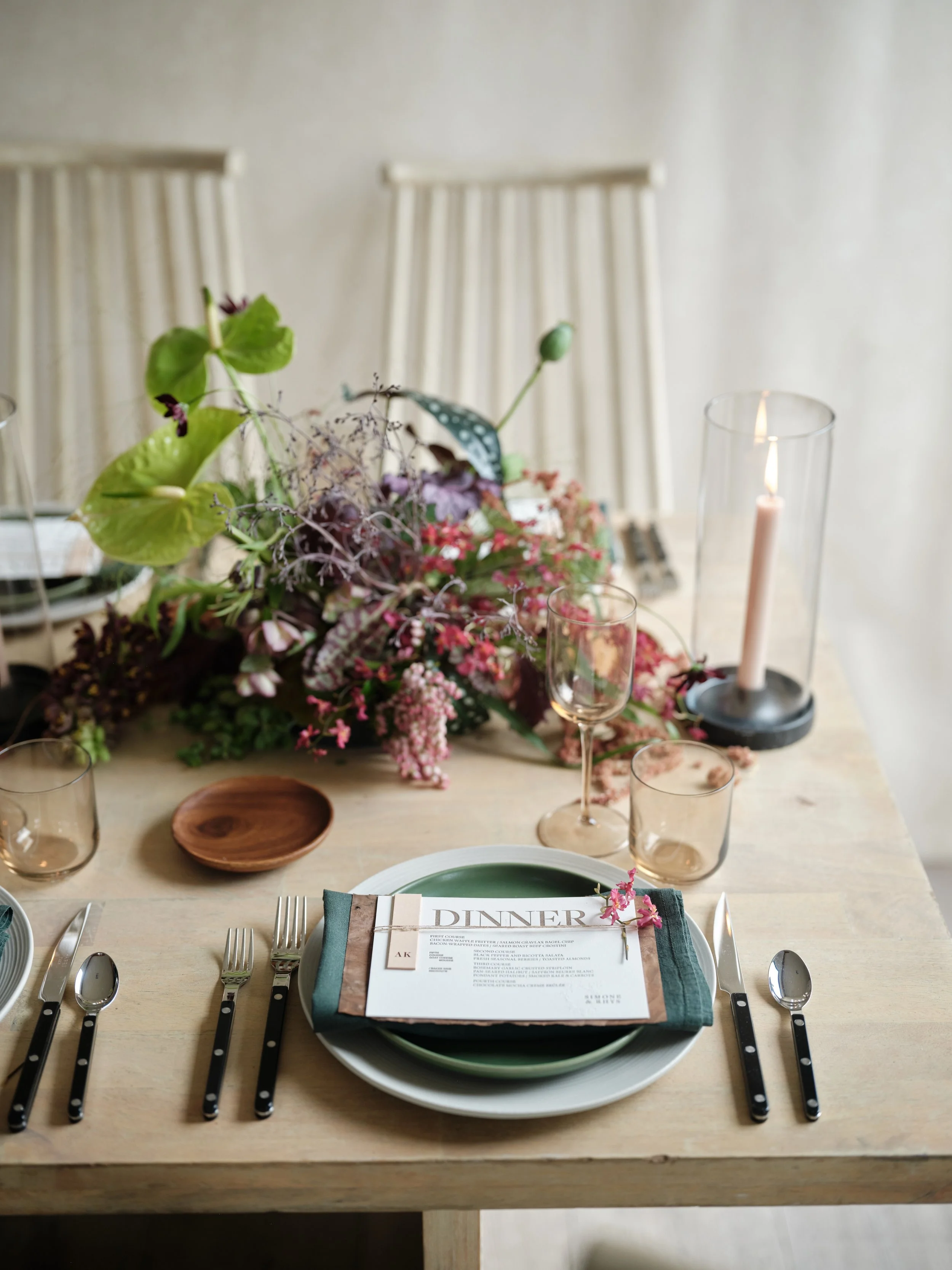
Editorial tablescapes start with intentional surfaces. Explore Chasing Stone's hand-painted canvas collection.
From Session to Portfolio: Curating Your Best Backdrop Work
The curation process is where most photographers lose the portfolio advantage they have gained through investment in quality surfaces. The temptation is to include every strong image from every session, but the result is a portfolio that showcases range at the expense of identity. For wedding photography portfolios built around editorial ambitions, the edit is more important than the shoot.
The principle is ruthless selectivity in service of a coherent visual narrative. From a full wedding day, you might deliver 500 to 800 images to the client. From those 500 to 800 images, the portfolio receives two to four. And from your entire body of work across dozens of weddings, the portfolio shows twenty to thirty images, the absolute pinnacle, each one reinforcing the same visual argument about who you are as a photographer and what experience you create for your clients.
When curating backdrop work specifically, evaluate each image against three criteria. First, does the canvas texture contribute to the image or merely exist behind the subject? In the strongest portfolio images, the hand-painted surface is doing visible work: catching light, adding atmosphere, creating tonal contrast with the subject's skin or gown. If the backdrop could be replaced with a painted wall and the image would not change, the image is not showcasing the investment. Second, does the image demonstrate a point of view? Editorial portfolios are built on images that make a statement, not images that merely document. The backdrop should be in service of a specific creative vision, a mood, a color story, a compositional idea. Third, does the image sit comfortably next to the others in your portfolio? Cohesion is the cumulative effect of consistent taste, and every image in the portfolio should feel like it belongs in the same visual world.
For photographers building toward publication submissions, organize your strongest backdrop work into submission-ready sets. Each set should tell a story: the getting-ready moments, the bridal portrait against the canvas, the detail shots, the ceremony, the reception. The bridal portrait on the hand-painted canvas often becomes the hero image, the one that opens the gallery and sets the editorial tone for the entire submission. This is why the backdrop investment pays dividends disproportionate to its cost. A single image, the bridal portrait on a hand-painted Limestone canvas, can define the editorial character of an entire wedding submission.
The Business Case: How Backdrop Portfolio Investment Translates to Revenue
The return on a hand-painted canvas backdrop is not measured in the cost of the surface divided by the number of sessions. It is measured in the caliber of clients the resulting portfolio attracts. This is a critical distinction that separates photographers who view backdrops as an expense from those who understand them as brand infrastructure.
A Chasing Stone 5x8 ft hand-painted canvas at $497 is a single investment that appears in every bridal portrait you shoot for years. If you photograph thirty weddings per year and use the canvas for bridal portraits at each one, the per-session cost drops below $17 in the first year and continues to decrease as the canvas ages gracefully rather than degrading. For a detailed analysis of the financial return, our examination of whether premium photography backdrops are worth the investment breaks down the ROI mathematics in depth.
But the real financial return is indirect and far more significant. A portfolio built on hand-painted canvas attracts clients who recognize and value editorial quality. These clients book at higher price points, refer within their network of similarly discerning friends, and are more likely to generate the kind of work that earns publication features, which generate further high-value inquiries. The backdrop is not the product. The portfolio is the product. And the portfolio is built, frame by frame, on the surfaces you choose to work with.
For photographers researching the full pricing landscape of hand-painted backdrops, from Chasing Stone's $497 entry point to competitor offerings, our comprehensive guide to hand-painted backdrop costsprovides the complete picture with current 2026 pricing.
Colorway Pairings for Portfolio Versatility
A strategic palette of two to three hand-painted canvases covers the full range of editorial wedding photography without fragmenting the portfolio's visual identity. The key is selecting colorways that expand tonal range while maintaining a coherent relationship to each other.
Recommended Backdrop Colorway Combinations for Wedding Photography Portfolio Building in 2026
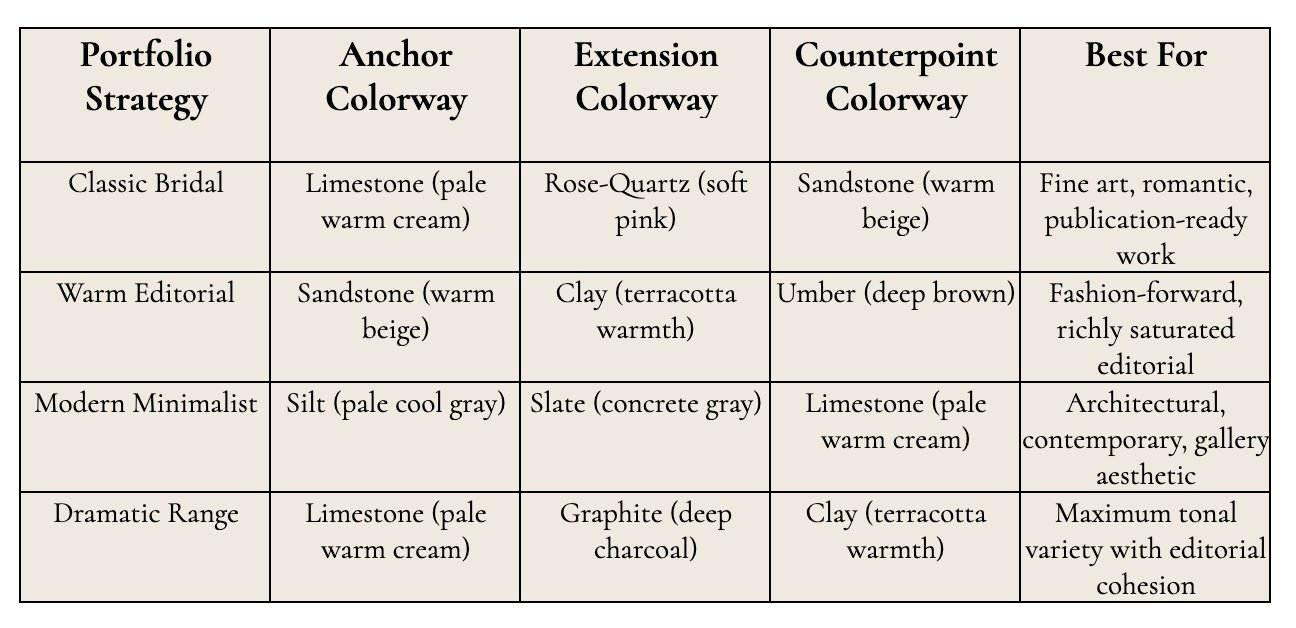
Each of these combinations is built on the principle that portfolio cohesion comes from tonal relationships, not from using a single colorway exclusively. The Classic Bridal palette, anchored by Limestone, keeps the portfolio in the warm cream-to-blush spectrum that publications like Over the Moon and Style Me Pretty favor for romantic, fine art wedding features. The Warm Editorial palette, anchored by Sandstone and extended with Clay, builds a richer, more saturated world that speaks to fashion-conscious couples and editorial teams styling for luxury magazines. The Modern Minimalist palette introduces cool tones through Silt and Slate, but grounds them with Limestone to prevent the portfolio from reading as cold. And the Dramatic Range palette maximizes tonal variety while maintaining coherence through the Limestone anchor.
The choice between these strategies is a brand decision, not a practical one. Each produces editorial-quality work. The question is which visual world you want your portfolio to inhabit, which clients you want to attract, and which publications you want your work to appear in.
Sustainability as a Portfolio Narrative
For an increasing number of luxury wedding clients in 2026, the story behind the surfaces matters as much as the surfaces themselves. Chasing Stone is the first styling surface maker to offer entirely biodegradable packaging with near-zero waste production, no plastic in any packaging component, and a minimalist approach that eliminates unnecessary paper goods and hang tags. Every canvas is handcrafted in California by a single artist, Jennifer, using a process that produces virtually no waste.
This is not a marketing angle appended to the product. It is a material philosophy that extends from the canvas itself to how it reaches the photographer. When you can tell a prospective client that the surface behind their bridal portrait was hand-painted by a single artist in California, shipped in biodegradable packaging with no plastic, and is a unique work of art that no other couple will ever pose against in exactly the same way, you are articulating a creative philosophy that aligns with the values of the client who will pay premium rates and refer you to everyone in their circle.
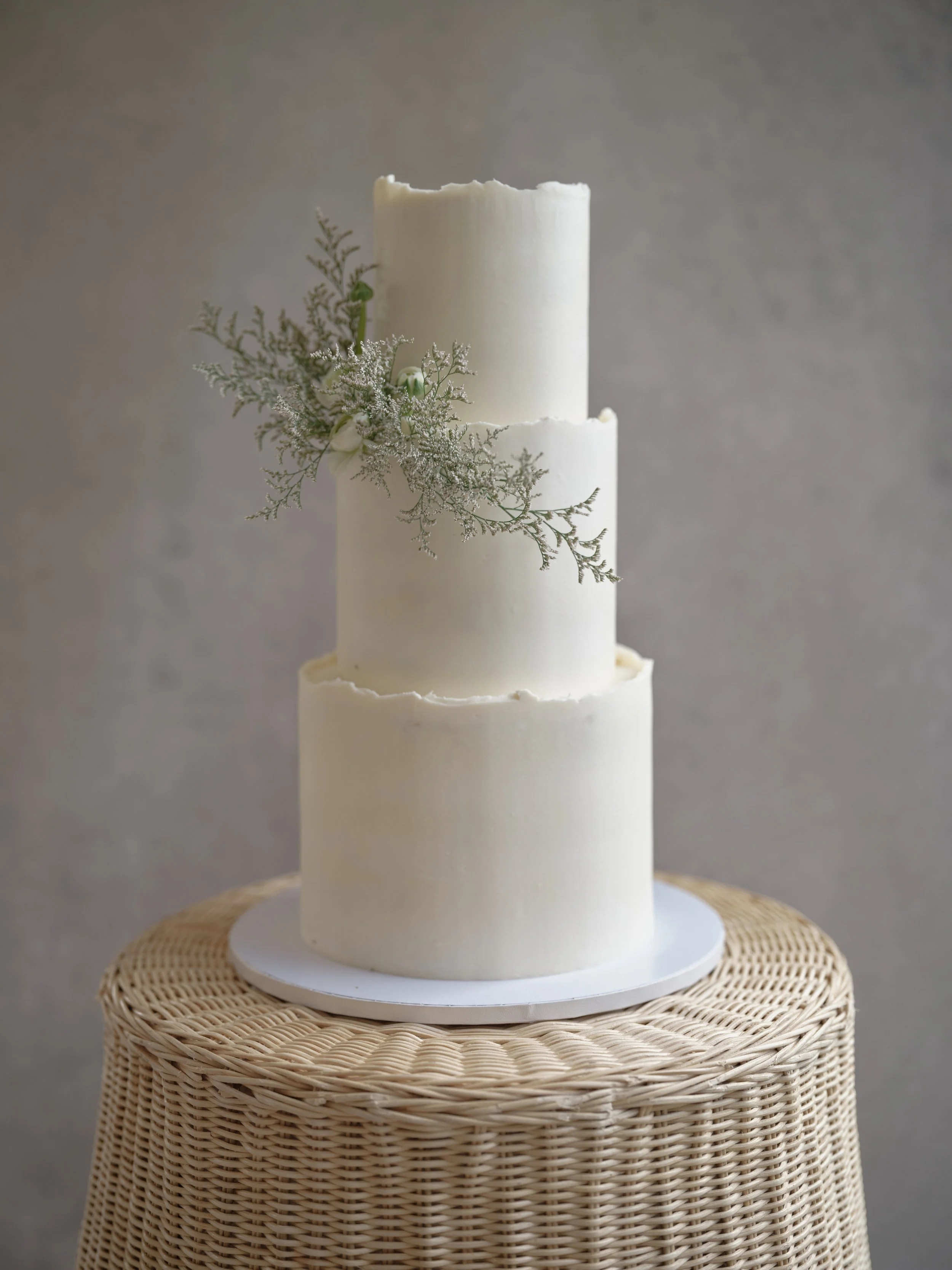
For photographers building a Modern Minimalist portfolio, a soft gray hand-painted canvas like Silt gives white florals, white cakes, and white gowns the contemporary edge that reads as gallery-worthy. Architectural without being cold.
Frequently Asked Questions About Wedding Photography Portfolio Backdrops
How many backdrops do I need to build a cohesive wedding photography portfolio?
One to three hand-painted canvas backdrops are sufficient to build a cohesive, publication-ready wedding photography portfolio. Start with a single warm neutral (Limestone or Sandstone from Chasing Stone, beginning at $497 for a 5x8 ft canvas) and use it exclusively for three to six months to develop a consistent visual identity. Add a second and third canvas only after you have built a strong body of work on the first.
What backdrop color is best for bridal portraits that will look good in my portfolio?
Warm neutrals, particularly pale creams and warm beiges, are the most universally flattering backdrop colors for bridal portraiture and the most favored by wedding publications. Chasing Stone's Limestone (pale warm cream) and Sandstone (warm beige) are the two most popular choices among editorial wedding photographers because they flatter every skin tone, complement any floral palette, and provide the textured, dimensional background that publications like Over the Moon and Style Me Pretty prefer.
Can I use a photography backdrop at a real wedding venue or only in a studio?
Hand-painted canvas backdrops are designed for both studio and on-location use. Chasing Stone canvases roll for transport and can be set up on a C-stand with an adapter mount (available for $107 from the Chasing Stone accessories page) in under two minutes. The 5x8 ft size is the most travel-friendly option for wedding day bridal portraits, fitting into most getting-ready spaces and requiring minimal setup time.
What is the difference between a hand-painted canvas backdrop and a printed one for portfolio work?
Hand-painted canvas backdrops have actual physical texture from layered brushstrokes that interact with light directionally, creating dimensional depth in photographs. Printed backdrops apply a photograph of texture onto flat fabric, producing no real three-dimensionality. In portfolio images, hand-painted canvas produces a painterly background quality that editors and high-end clients immediately recognize as editorial-grade, while printed alternatives produce a flat, uniform background that lacks visual distinction.
How do I get my wedding photography published using backdrop portraits?
Publications like Over the Moon and Style Me Pretty evaluate submissions for cohesive visual storytelling and editorial intentionality. Submit 60 to 150 exclusively unpublished images that tell a complete wedding story, with crisp full-color processing. The bridal portrait against a hand-painted canvas often serves as the hero image that sets the editorial tone for the entire submission. Focus on aesthetic fit with the publication's visual language rather than submitting to every outlet simultaneously.
Do hand-painted backdrops photograph differently than regular backdrops in a portfolio?
Yes, significantly. Hand-painted canvas produces a qualitatively different background rendering than any mass-produced alternative. At wide apertures (f/1.4 to f/2.8), the layered brushstrokes dissolve into a rich, dimensional bokeh with tonal variation that printed or solid-color backdrops cannot replicate. Under directional light at a 45-degree angle, the painted texture reveals depth that adds atmosphere and editorial presence to the image. This dimensional quality is visible in print and on screen, and it is one of the first things an editor notices when reviewing a submission.
How much does it cost to build a backdrop collection for editorial wedding photography?
A single Chasing Stone hand-painted canvas backdrop starts at $497 for the 5x8 ft size and $797 for the 8x10 ft size. The Studio Pack Three bundle offers three 5x8 ft canvases at $1,371 (saving $120 over individual purchases), providing a complete editorial palette. For photographers shooting thirty or more weddings per year, the per-session cost of a $497 canvas drops below $17 in the first year alone, making it one of the highest-ROI investments in a wedding photography business.
What size backdrop should I buy first for portfolio building?
The 5x8 ft canvas ($497) is the ideal starting size for portfolio building because it covers headshots, beauty portraits, and three-quarter compositions, the formats most commonly used in editorial portfolio images and publication submissions. Upgrade to the 8x10 ft size ($797) when you need full-length bridal coverage or are regularly shooting couples portraits against the canvas. The 8x14 ft format ($1,197) serves photographers working with bridal parties or full-length editorial fashion compositions.
Invest in the Surface, Build the Portfolio, Attract the Clients
The photographer whose portfolio is built on hand-painted canvas is making a statement that resonates far beyond the individual image. It is a statement about taste, about investment, about the refusal to settle for surfaces that merely fill the frame when surfaces exist that transform it. Every editorial feature begins with an image that stops the editor mid-scroll. Every high-value client inquiry begins with a portfolio that communicates a level of creative authority that the client recognizes as matching their own standards. And every visual signature that distinguishes one photographer's work from the thousands competing for the same clients begins with the intentional choices that build coherence from the first frame to the last.
A hand-painted canvas backdrop is not the only element that builds a wedding photography portfolio worth publishing. But it is the element that touches every bridal portrait, anchors every editorial composition, and defines the tonal world in which your best work lives. When you invest in a surface that Jennifer hand-paints over two to three days, layering pigment onto premium cotton canvas until it carries the depth and dimensionality of a painting, you are not buying a backdrop. You are building the foundation of the portfolio that will define your career.
Explore the full collection of hand-painted canvas backdrops and begin building the portfolio your work deserves. For questions about colorway selection for your specific editorial goals, reach out to our team at info@chasingstone.com.
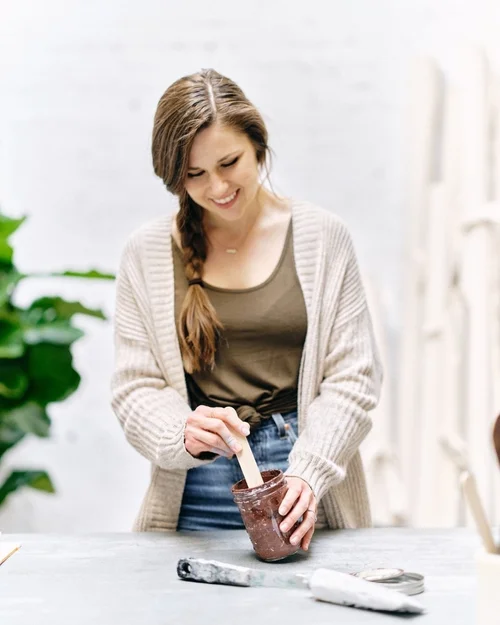
Creators of premium photography backdrops and styling surfaces
Trusted by thousands of discerning creatives worldwide
Every piece is handcrafted with intention in Orange County, California