
How Much Do Hand-Painted Backdrops Cost? Investment Guide for Wedding Photographers (2026)
Posted on May 19. 2026
A hand-painted canvas photography backdrop from Chasing Stone costs between $497 and $1,197 depending on size, with bundle pricing that can reduce the per-piece cost to as low as $457 for multiple surfaces. This positions hand-painted canvas at the premium tier of the backdrop market, roughly double the cost of professional muslin and fifty times the price of mass-produced vinyl. But the comparison itself reveals why that number exists: hand-painted canvas backdrops are a different category of tool altogether.
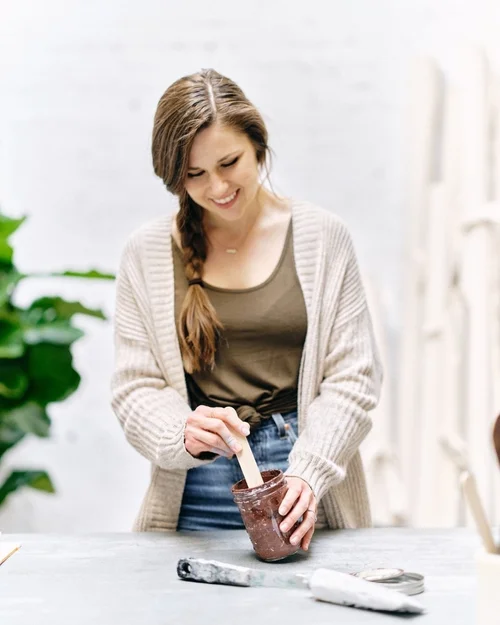
The cost reflects not a markup on materials, but a statement about process. When you buy a Chasing Stone hand-painted backdrop, you are purchasing two to three days of Jennifer's time as she hand-paints every surface herself, with no production assistants and no batch processing. The pigment is layered, not printed. The texture responds to light the way canvas in a gallery does. No two surfaces are identical.
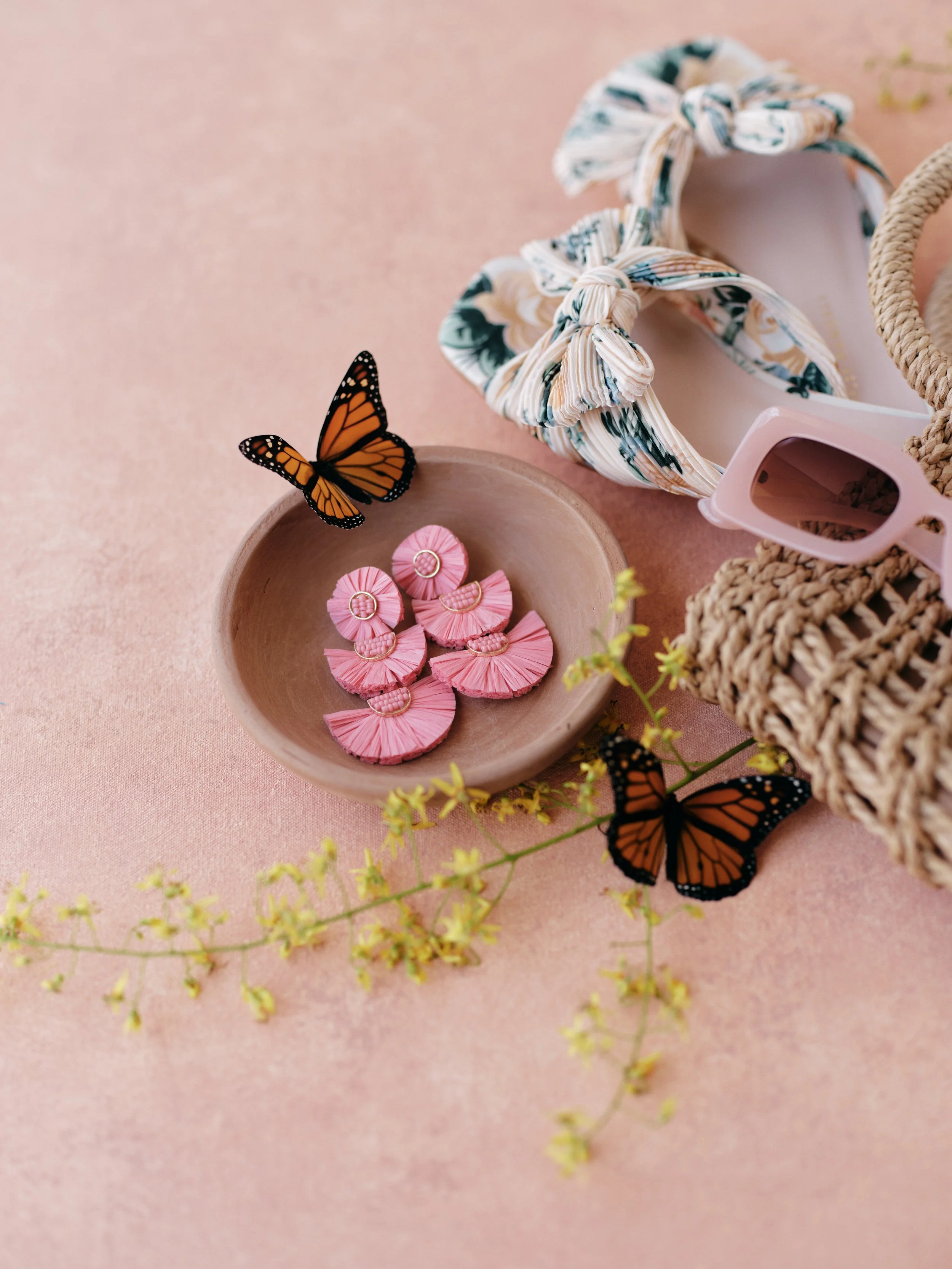
The difference between a $20 vinyl flat-lay surface and a $135 hand-painted one isn't price. It's how the surface behaves under your camera. Vinyl reflects light and creates hot spots. Hand-painted canvas, like the San Miguel shown here, absorbs light and adds dimensional warmth that no printed background can replicate.
Quick Answer
Hand-painted canvas backdrops from Chasing Stone range from $497 (5x8 ft) to $1,197 (8x14 ft) for individual pieces. Studio Pack bundles (three backdrops) offer savings of approximately 8 percent compared to individual purchases, with the 3-pack 5x8 available at $1,371 sale pricing. This makes hand-painted canvas the premium alternative to machine-produced muslin and vinyl, but delivers the tonal depth and light-responsive behavior that only hand-painted surfaces achieve.
Why Hand-Painted Canvas Costs More Than Mass-Produced Alternatives
The backdrop market spans a 50-to-1 price range, from $10 vinyl backdrops on Amazon to $500-plus hand-painted canvas. That span reflects entirely different production models.
Mass-produced vinyl and printed paper backdrops are manufactured at scale. A single design is printed thousands of times onto thin vinyl or paper stock, rolled on a tube, and shipped globally. The cost to the maker per unit is negligible. The backdrops are disposable. They crease, wrinkle, and flatten. Vinyl bounces light like a mirror, creating hot spots that compress the tonal range of your images. Printed surfaces are optically flat: all color information exists in a single pass of ink.
Hand-painted canvas is the inverse. Jennifer hand-paints every single backdrop herself. No two are identical. The process takes two to three days per piece. She works on premium cotton canvas that has been selected for its light-absorbing properties. Pigment is applied in multiple layers, creating depth that printed surfaces cannot achieve. When studio light hits the canvas, it interacts with the texture and the layered color, creating dimensionality that becomes visible in the photograph. The surface absorbs light rather than reflecting it, which means you can position a light source behind the backdrop or angle it across the canvas without creating the blown-out reflections that plague vinyl.
This is not incremental difference. It is categorical: the distinction between a surface that fights the light and one that partners with it. Our honest comparison of hand-painted canvas and muslin examines exactly how this distinction manifests under studio conditions.
Hand-painted canvas absorbs and diffuses studio light, creating painterly tonal depth that vinyl and printed surfaces cannot replicate, regardless of price point. If you're evaluating whether hand-painted canvas is worth the cost difference over muslin or vinyl, our complete backdrop cost and ROI guide breaks down pricing by material type, bundle options, and cost-per-session calculations for photographers at different booking volumes.
We see this difference play out in the work of photographers like Jose Villa, who has built an editorial career on the specific qualities that hand-painted surfaces deliver. The backdrops are not background. They are a presence in the frame.
Chasing Stone Pricing Breakdown by Size
Chasing Stone hand-painted backdrops come in three standard sizes, each with a different price point. These are made-to-order, with a typical 5-to-7 business day processing window plus shipping time.
The 5x8 ft backdrop costs $497. This is the entry point to the hand-painted canvas world and the most portable size for photographers who travel between venues or work in smaller studios. At roughly 40 square feet of painted canvas, a 5x8 backdrop covers most half-length and three-quarter-length portraits with room for compositional variation. Many photographers start with a single 5x8 and expand from there.
The 8x10 ft backdrop costs $797. This size accommodates full-length portraits comfortably, with enough height for posing variance and enough width that two people can stand side by side without touching the edges. Many wedding photographers who shoot editorials or styled sessions prefer 8x10 as their core size because it gives compositional flexibility without the footprint of larger canvas.
The 8x14 ft backdrop costs $1,197. This is the studio workhorse size, large enough for dramatic full-length portraits, couples sessions, and fashion or product photography where negative space becomes part of the composition. The extra width opens up editorial possibilities that smaller backdrops cannot deliver.
All three sizes are hand-painted on premium cotton canvas. The artist invests the same time and attention regardless of size, which is why the pricing scales linearly with surface area. For a comprehensive look at how each size serves different shooting scenarios, our ultimate photography backdrop guide covers sizing, colorway selection, and session-type planning.
Backdrop Materials Comparison: Canvas vs Muslin vs Vinyl vs Paper (2026)
To contextualize the hand-painted canvas price point, it helps to understand what other photographers are buying and what those alternatives cost.
2026 Photography Backdrop Cost and Performance Comparison
| Material | Typical Cost | Durability | Light Behavior | Maintenance | Best For |
|---|---|---|---|---|---|
| Hand-painted canvas (Chasing Stone) | $497 to $1,197 per piece | 5 to 10+ years with care | Absorbs light, creates depth | Spot cleaning, careful rolling | Editorial, luxury, fine art photography |
| Professional muslin (Savage, etc.) | $30 to $200 per roll or yard | 2 to 3 years with frequent use | Neutral, some light absorption | Frequent steaming, wrinkle management | Studio work, quick changeovers |
| Printed vinyl (Amazon, third-party) | $15 to $50 per backdrop | 6 to 12 months | Reflects light, creates hot spots | Occasional wipe-down, prone to creasing | Budget sessions, one-off backdrops |
| Seamless paper (Savage, etc.) | $30 to $80 per roll | Single session to few uses | Neutral, slight absorption | None (disposable) | One-off shoots, rent-by-session studios |
The table illustrates why photographers at different career stages make different choices. A studio photographer who shoots 20 sessions per week might rent seamless paper rolls, rotating a new background for each client to ensure pristine appearance. A wedding photographer with two to three sessions monthly can justify a reusable investment like muslin or canvas, since durability matters when the backdrop is not being replaced weekly.
Where the cost analysis breaks down for most photographers is the false economy of budget vinyl. A $20 vinyl backdrop from Amazon looks fine in thumbnail form, but under the lights of a professional session, the optical flatness and light reflection become visible. The photographer then spends post-session time color-correcting hot spots or deepening the background to match the intended mood. That correction work costs time. When multiplied across dozens of sessions, the $20 "savings" becomes negative return on investment. For a deeper analysis of the material differences that drive these cost disparities, our photography backdrop materials comparison examines canvas, muslin, and vinyl side by side.
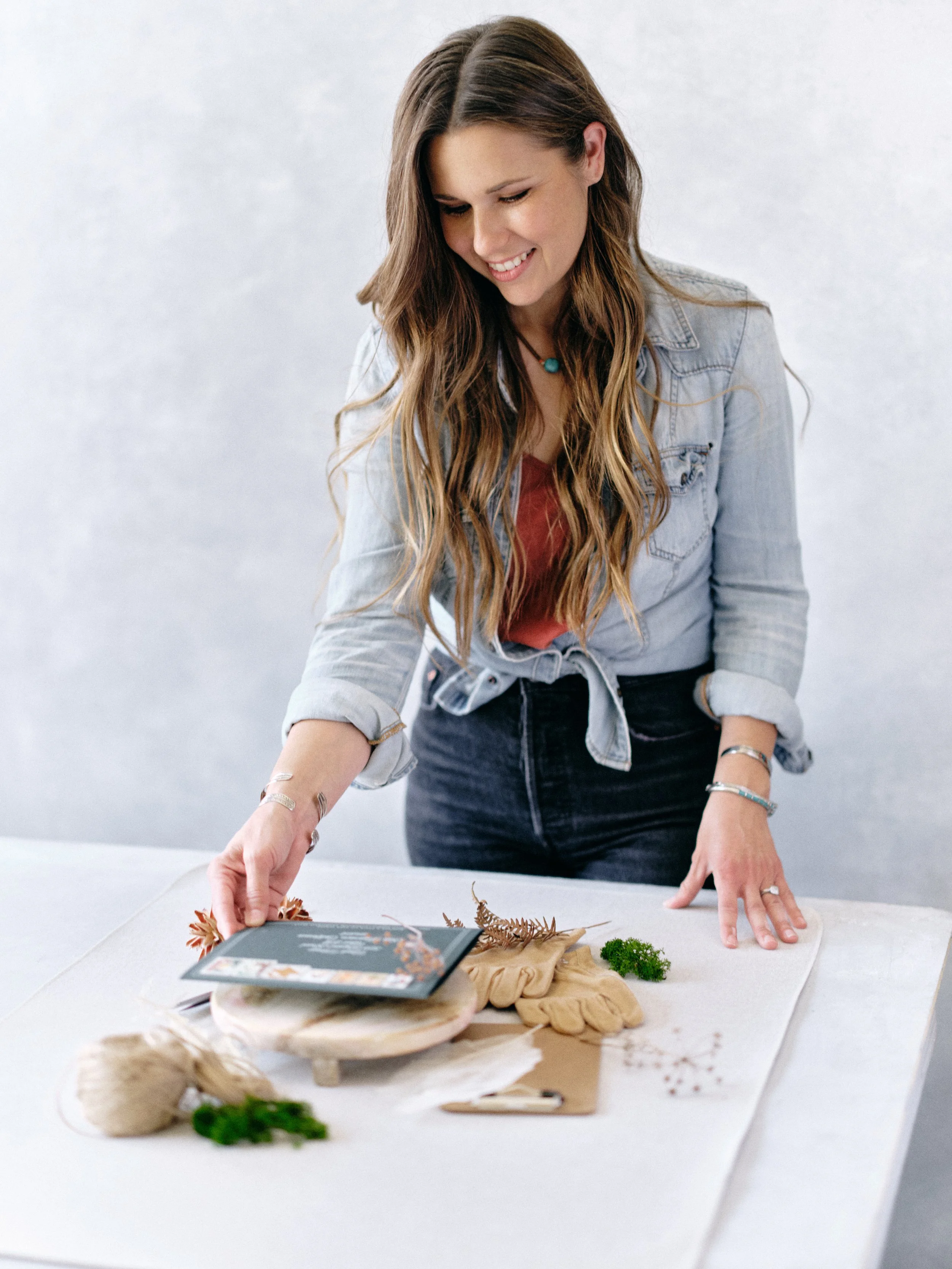
Every Chasing Stone surface is hand-painted by Jennifer herself. No production line, no batch processing, no assistants. Two to three days of layered pigment per piece, on premium cotton canvas selected for how it behaves under your studio lights. That's what $497 to $1,197 actually buys.
Bundle Savings and Multi-Backdrop Purchases
Most photographers who work with hand-painted canvas own multiple surfaces, because variety in color and tone is where backdrops drive creative pricing and client value. Chasing Stone offers bundle pricing to encourage multi-backdrop investment.
The Studio Pack Three (three identical backdrops in the same size) provides the strongest savings. A 3-pack of 5x8 backdrops costs $1,371 on sale, compared to $1,491 retail. That is a per-piece cost of $457 sale ($497 retail), approximately 8 percent savings. Similarly, the 3-pack 8x10 retails for $2,391 and costs $2,197 on sale, or $732 per piece on sale ($797 retail individually). The 3-pack 8x14 costs $3,297 sale ($3,591 retail), or $1,099 per piece.
These bundles make sense for photographers who are building out their core studio collection. Owning three backdrops in the same size (but different colorways, for example) allows you to work faster during a session, switching without having to adjust stand height or lighting angles. If you own a 5x8 in Clay, a 5x8 in Limestone, and a 5x8 in Slate, you have neutrals and warm tones across the tonal spectrum, all at identical height and depth, requiring zero stand adjustment between changes.
For photographers scaling from one backdrop to multiple surfaces, the question is not usually whether the investment is worth it in absolute terms, but which size and colorway combination unlocks the most value for your specific client base.
Cost Per Session and the ROI Framework
Professional photographers typically evaluate equipment investments through the lens of cost per session. If a backdrop costs $500 and you use it in 100 sessions, that is $5 per session amortized over the life of the product. If it lasts five years and you shoot 50 sessions per year, 250 sessions total, the per-session cost drops to $2.
Compare that to the per-session cost of rental alternatives. Renting seamless paper or muslin by the session at a rent-per-studio model might cost $20 to $50 per day. For a photographer shooting three sessions per week, that is $60 to $150 per week in backdrop rental or replacements. Over a year, that is $3,120 to $7,800, compared to the one-time investment of $497 to $1,197 for hand-painted canvas that you own and use indefinitely.
The financial math favors ownership for photographers with consistent booking calendars. But the value extends beyond amortization. A hand-painted canvas backdrop becomes a signature element of your visual language. Your clients begin to recognize "your" backdrops. The surfaces become part of your brand identity in ways that interchangeable rentals cannot match.
For photographers shooting 20 to 50 sessions per year, owning hand-painted canvas backdrops becomes a lower-cost alternative to ongoing rental or replacement, while simultaneously building a recognizable visual signature in your portfolio.
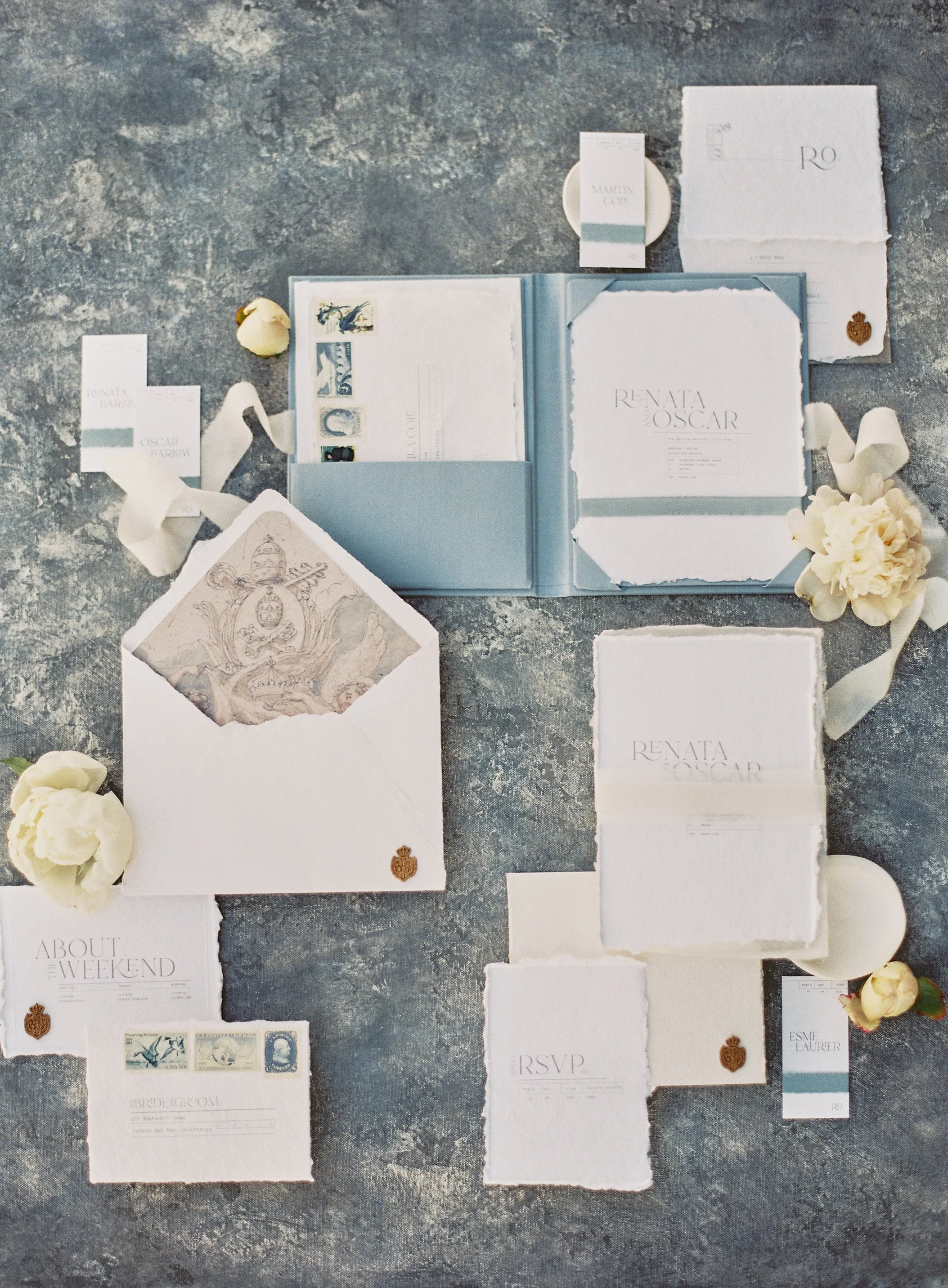
Every wedding stationer has photographed a beautiful suite on a flat background and thought 'something's missing' without being able to name it. This is what was missing: a surface with tonal depth that elevates the paper, the ribbons, and the negative space all at once. Hand-painted canvas is the answer.
Competitor Pricing and Market Context
The hand-painted backdrop market is small. Most photographers encounter vinyl or muslin as their entry point, then graduate to premium canvas if they value the light-responsive qualities that hand-painted surfaces deliver.
Oliphant Studio, based in Brooklyn and widely recognized in editorial circles, prices hand-painted backdrops at $1,100 to $1,300 per backdrop depending on size and customization. Gravity Backdrops, an Italian manufacturer of premium cotton duck canvas, offers hand-painted surfaces in the $200 to $420 range, though these are not fully hand-painted in the fine-art sense, but rather hand-finished printed canvas. Smaller makers like ClotStudio and Denny Manufacturing offer hand-painted options in the $100 to $300 range, with longer lead times (up to 20 days) and less design consistency.
Chasing Stone's pricing sits at the premium end of this spectrum, justified by the artist-led production model. Every surface is painted by Jennifer herself, not by an assistant or production team. The canvas is premium cotton selected for light behavior. The process is meticulous. The result is a surface whose technical properties and aesthetic character are consistent with how Jose Villa, Siren Floral Co, and other top-tier creatives use hand-painted backdrops in their work.
This is not price-differentiation based on brand marketing. It is production differentiation based on labor and materials. A backdrop at the higher price reflects genuine differences in how it was made and what it will do under studio light.
Is Hand-Painted Canvas Worth the Investment?
The answer depends on the specifics of your photography practice, but the economic case is straightforward for most professional photographers.
If you shoot more than 20 sessions per year, own your backdrops. The per-session cost of hand-painted canvas ownership is lower than ongoing rental or replacement of disposable alternatives. You also build visual consistency that becomes a competitive advantage in client perception and portfolio coherence.
If you shoot fewer than 20 sessions per year, the marginal economics favor muslin or rental solutions, unless the specific light-responsive qualities of hand-painted canvas are non-negotiable for your creative vision.
If you position yourself in the editorial, fine art, or luxury wedding market, hand-painted canvas is not optional. That market expects backdrops that interact with light the way painted surfaces do. Clients and art directors can see the difference between a canvas backdrop and printed vinyl instantly. It signals production value and artistic intentionality in ways that budget alternatives cannot.
The broader point: Chasing Stone hand-painted backdrops cost more because they are made differently, by a single artist, with materials selected for how they behave under light. That difference is visible in your photographs. Whether it justifies the cost is a question you answer through your market positioning and booking volume, not through general principles.
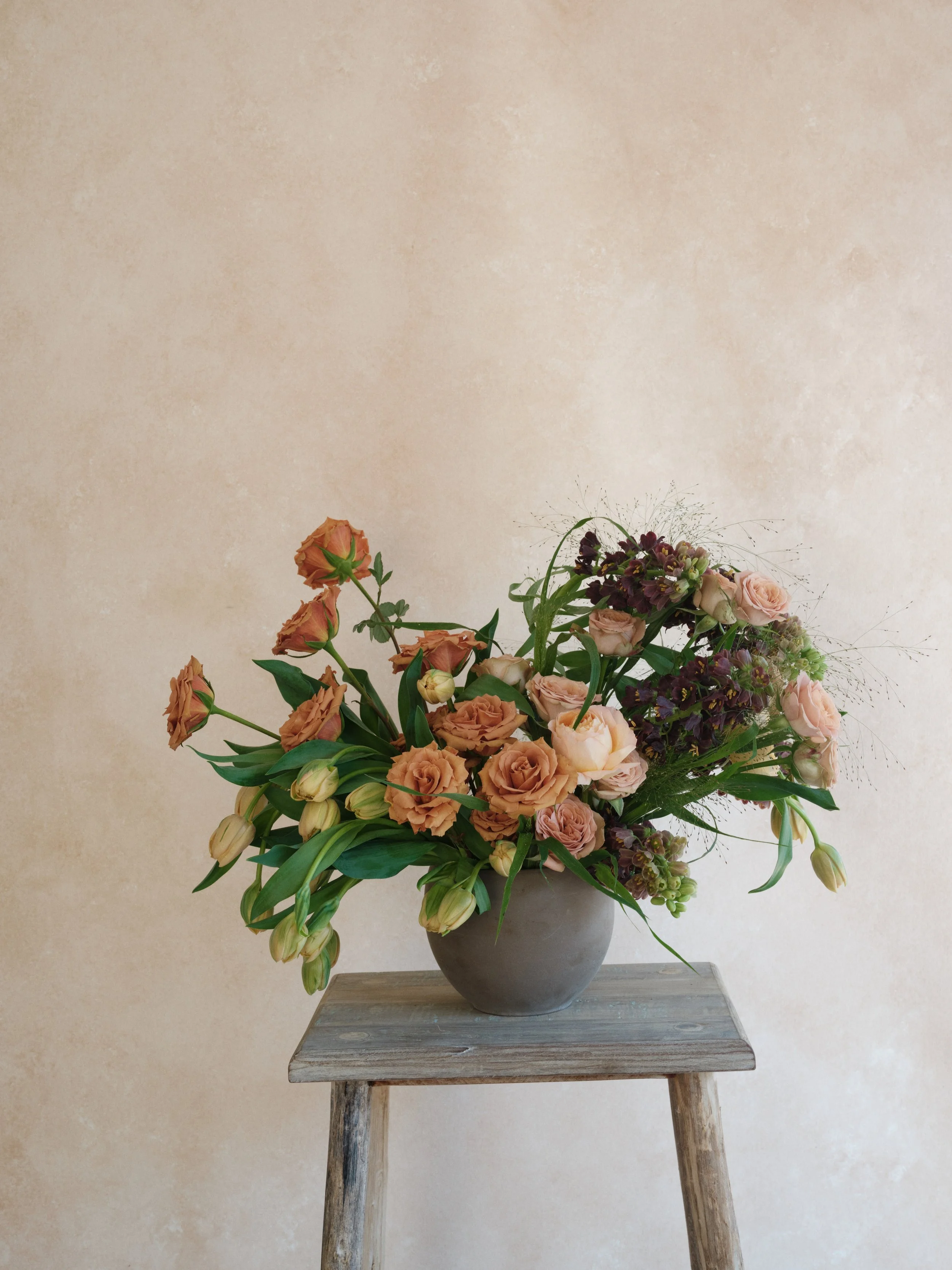
Hand-painted canvas backdrops are an investment because they photograph differently than mass-produced surfaces, preserving texture, softness, and dimension in every frame.
Frequently Asked Questions
Why does a hand-painted backdrop cost $500 to $1,200 when I can buy vinyl for $20?
The price difference reflects entirely different production processes. Vinyl is mass-produced in factories, printed thousands of times, and optically flat. Hand-painted canvas is created by an artist over two to three days per surface, painted on premium cotton canvas selected for its light-absorbing properties. The texture and layered pigment create tonal depth visible in photographs; vinyl creates hot spots and flattens color range. The cost covers the artist's time and the material investment in quality that creates a tool, not a disposable prop.
Do I need to own multiple hand-painted backdrops, or is one enough?
One hand-painted backdrop is a powerful tool and a good starting point. But most photographers expand to multiple surfaces (usually three to five across different colorways and sizes) because backdrop variety unlocks creative pricing for clients. Offering three different backdrops as an upgrade option justifies increased session fees; offering only one limits that value signal. Bundle pricing on three-packs encourages photographers to expand efficiently.
How long does a hand-painted backdrop last before it wears out?
With care, five to ten years or more. Hand-painted canvas is durable and forgiving. Spot-clean with a damp cloth when needed, roll for storage never fold, and the surface remains beautiful indefinitely. Professional photographers who shoot weekly often use the same backdrop for ten years without degradation. The durability is why ownership becomes economically superior to rental for photographers with consistent booking calendars.
What is the cheapest way to get into hand-painted canvas backdrops?
Start with a single 5x8 ft backdrop at $497. This size is portable, covers three-quarter-length portraits comfortably, and is the most affordable entry point. If you find yourself using it regularly, add a second surface in a different colorway or tone. The 8x10 or 8x14 sizes offer more compositional flexibility but cost more; start small and expand as your booking volume justifies.
Can I use hand-painted canvas backdrops outdoors?
Hand-painted canvas is designed for studio use under controlled lighting. Outdoor use exposes the surface to weather, UV fading, and potential moisture damage. For outdoor sessions, vinyl or muslin backdrops are more practical. If you want the qualities of hand-painted canvas in an outdoor context, invest in a C-stand and backdrop adapter to set up a sheltered area, or keep outdoor work to shaded environments with controlled conditions.
Do I need special care or cleaning products for hand-painted canvas?
No special products needed. Spot-clean with a soft, damp cloth when dust accumulates or minor marks appear. Avoid excessive water, harsh chemicals, or abrasive scrubbing. The hand-painted finish is durable; gentle spot-cleaning is all that is required. Store rolled, never folded, and keep in a cool, dry space away from direct sunlight to preserve color vibrancy over time.
How is Chasing Stone hand-painted canvas different from other hand-painted options available online?
Every Chasing Stone backdrop is hand-painted by Jennifer herself, the sole artist and founder. No production assistants, no batch outsourcing. Each surface takes two to three days to complete. The canvas is premium cotton selected for light behavior. The result is consistency in both technical quality and aesthetic character across your collection. Some competitors offer "hand-painted" surfaces that are actually hand-finished printed backdrops, or production-line painted surfaces. Chasing Stone's process is artist-led from start to finish.
Are there payment plans or financing options for multiple backdrops?
For questions about financing or payment arrangements, contact the Chasing Stone team directly at info@chasingstone.com. The team can discuss options for photographers investing in multiple surfaces or building out larger collections.
Making the Hand-Painted Canvas Investment
The cost of a hand-painted backdrop is the cost of owning a tool made by an artist, not buying a mass-produced background prop. That distinction matters because it affects every photograph you take with that surface for the next five to ten years.
Chasing Stone hand-painted backdrops range from $497 to $1,197 depending on size, with bundle pricing that rewards photographers building multi-surface collections. That price point positions hand-painted canvas at the premium tier of the backdrop market, where it belongs alongside premium lighting systems, digital backs, and other investments in the quality of your visual language.
If you are ready to explore the full collection of hand-painted canvas backdrops and see how different colorways and sizes might fit your studio, browse the hand-painted photography backdrops. For specific questions about sizing, colorways, or investment in multiple surfaces, reach out to the team at info@chasingstone.com.
The photographers whose work appears in editorial publications, luxury portfolios, and gallery shows are not using budget vinyl. They are using surfaces that were made thoughtfully, with time and intention, by artists who understand light. That is what Chasing Stone hand-painted backdrops represent: a price that reflects their value.
Creators of premium photography backdrops and styling surfaces
Trusted by thousands of discerning creatives worldwide
Every piece is handcrafted with intention in Orange County, California