
Hand-Painted Canvas vs Muslin Backdrops: A Photographer's Honest Comparison
Updated on Apr. 17, 2026
I'm going to be honest about something: I have a financial interest in you choosing canvas over muslin. I paint canvas backdrops for a living. That's my bias, and you should know it upfront.
But here's the thing. I didn't start Chasing Stone because I wanted to sell canvas. I started it because I was a photographer frustrated with crap backdrops and went looking for something better. When I finally tried canvas, I fell in love with how it photographed and never looked back.
So yes, I'm biased. But the bias came from experience, not the other way around.
This comparison is my honest assessment of both materials after years of using them, photographing them, and talking with thousands of photographers about their backdrop choices. I'll tell you where canvas wins, where muslin has advantages, and help you figure out which actually makes sense for your situation. For a complete overview of photography backdrops, start with our ultimate backdrop guide.
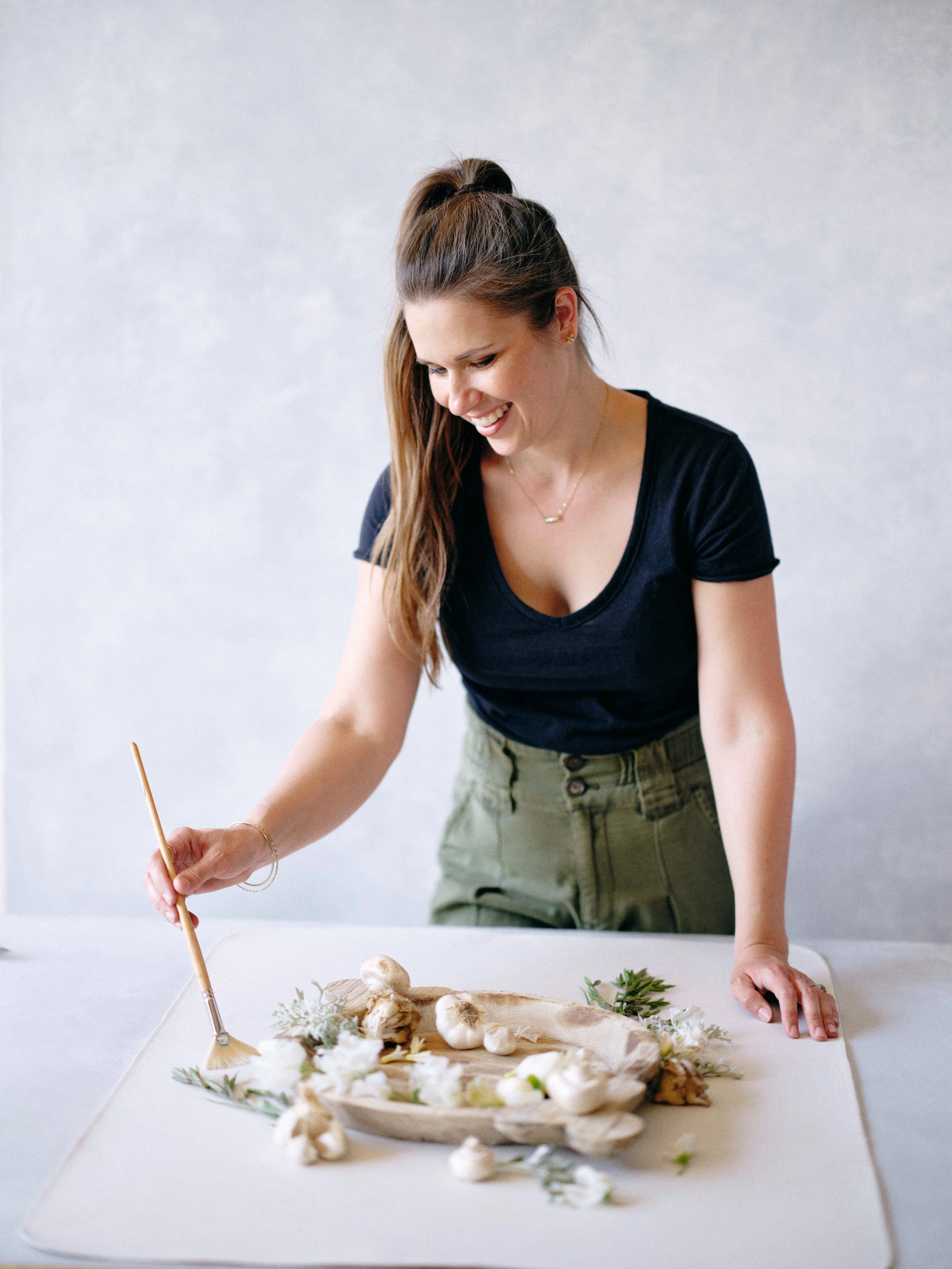
This is the difference between canvas and muslin in one image. Look at the backdrop surface and notice the subtle color variation and texture even in flat lay work. That's hand-painted canvas creating organic depth. Muslin would read as a flat, uniform surface. Canvas creates an environment. The backdrop becomes part of the story, not just something behind it.
The Fundamental Difference
Muslin is lightweight woven cotton fabric. It's been the standard backdrop material for decades because it's affordable, easy to dye, and packs down small. Most muslin backdrops are either solid-dyed or have patterns printed onto the surface.
Canvas is heavier woven cotton with a tighter weave and more substantial body. Hand-painted canvas backdrops have actual texture built onto the surface through layers of paint and brushwork. The paint becomes part of the fabric rather than sitting on top.
This isn't just a materials difference. It's a physics difference that affects how light interacts with the surface and how your final images look. How much they move in the wind
How They Photograph: The Real Comparison
This is what matters. Not what they feel like in your hands or how they look hanging in your studio. How do they actually photograph?
Muslin photographs flat.
Even "textured" muslin is essentially a flat surface with dye variations. Light hits it and bounces back uniformly. There's no actual dimension for light to interact with. In your images, muslin reads as a colored background. Nothing more, nothing less.
This isn't necessarily bad. If you want a simple, clean background that doesn't call attention to itself, muslin accomplishes that. But it won't add anything to your images either.
Hand-painted canvas photographs with depth.
The physical texture of brushstrokes and paint layers creates actual three-dimensional variation on the surface. Light hits the raised areas differently than the recessed areas. You get micro-highlights and micro-shadows that your camera captures as dimension.
In your images, a hand-painted canvas backdrop reads as something real. Not a flat surface behind your subject, but an environment with presence. This creates natural separation between subject and background without needing to manufacture it in post.
The difference is subtle in any single image. Over a portfolio, it's significant.
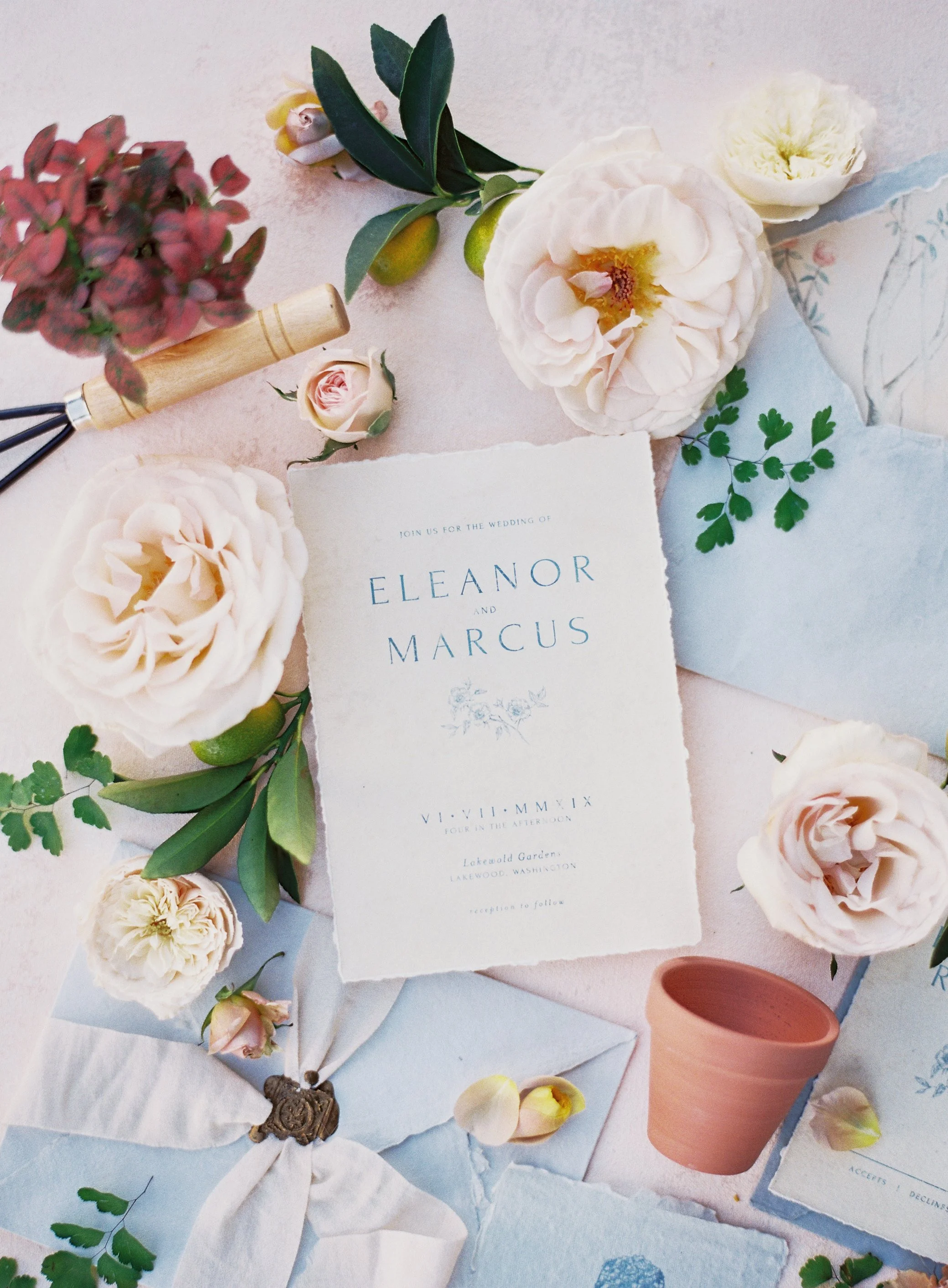
Wedding photographers know: detail shots matter as much as portraits. This is SAKURA creating the romantic, editorial vibe brides expect. The soft pink provides warmth without overwhelming, hand-painted texture adds depth that muslin backdrops can't match, and the color works universally with any wedding palette. Canvas transforms flat lays from documentation to art.
The Wrinkle Problem
Let's talk about the elephant in every photographer's studio: wrinkles.
Muslin wrinkles constantly.
The lightweight weave that makes muslin easy to transport also makes it wrinkle-prone. Fold it? Wrinkles. Pack it in a bag? Wrinkles. Look at it wrong? Wrinkles.
Before every shoot with muslin, you're either steaming for 15-20 minutes or accepting that wrinkles will show in your images. Some photographers clip the muslin tight to stretch out wrinkles, but this only works partially and requires constant adjustment.
Over time, muslin develops permanent creases at fold lines. Even careful storage doesn't prevent this entirely. The fabric is simply too thin to hold its shape.
Canvas resists wrinkles.
The heavier weight and tighter weave of canvas means it doesn't wrinkle the same way. You can roll it (never fold), transport it, unroll it, and shoot. Minor wrinkles from rolling relax naturally within minutes of hanging.
I've had photographers tell me they spent more time steaming their muslin backdrops over a year than they spent on actual photography. That's not an exaggeration. Muslin maintenance is a real time cost that adds up.
Canvas isn't wrinkle-proof. If you fold it or store it badly, you'll create problems. But with basic care (roll it, store it properly), wrinkles essentially aren't an issue.
Durability and Lifespan
Muslin lasts 1-3 years with regular professional use.
The thin fabric stretches over time, especially at the points where you attach it to stands or clamps. The dye fades with repeated exposure to light. The fabric develops permanent creases and eventually tears at stress points.
Most photographers I know treat muslin as semi-disposable. They buy it knowing they'll replace it within a couple years.
Hand-painted canvas lasts 10+ years.
I have photographers still shooting on backdrops I painted in 2019. The paint hasn't cracked. The canvas hasn't degraded. They look the same now as when I shipped them.
Canvas is more durable simply because it's more substantial. The tighter weave handles stress better. The paint actually protects the fabric underneath. With basic care, a canvas backdrop is a decade-long investment.
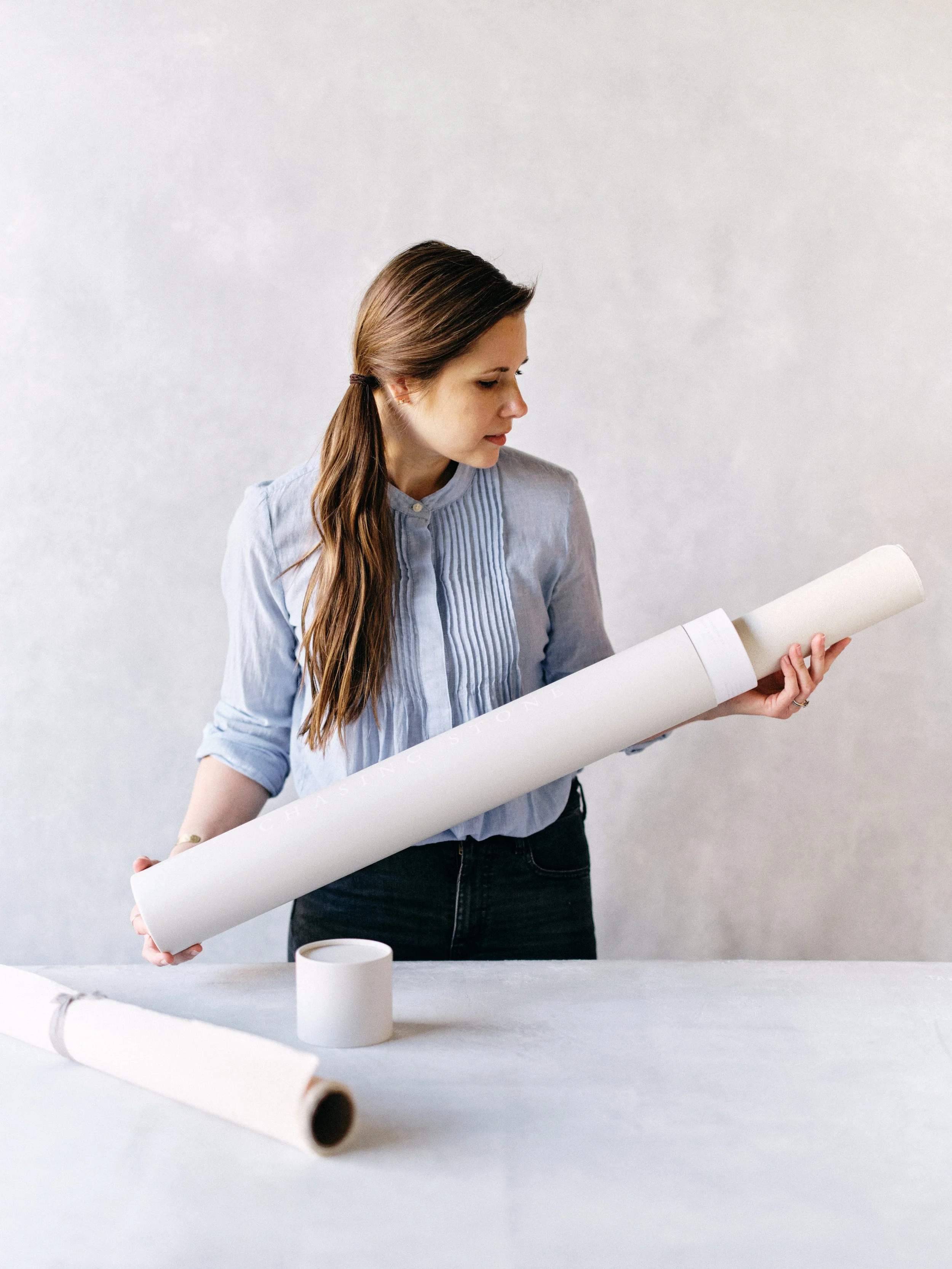
This is the difference between canvas and muslin in daily use. Roll your canvas backdrop, unroll it, and shoot. No steaming. No fighting wrinkles for 20 minutes. No permanent creases at fold lines. Canvas is ready when you are. The time you save adds up to hours over a year. Hours you could spend shooting instead of preparing.
Weight and Portability
This is where muslin has a genuine advantage.
Muslin is lightweight and packs small.
A 10x12 muslin backdrop might weigh 2-3 pounds. You can stuff it in a bag, throw it in your trunk, carry it on a plane. For photographers who travel constantly or work in tight spaces, this matters.
Canvas is heavier.
An 8x10 hand-painted canvas backdrop weighs 20-25 pounds. It rolls rather than folds, so it takes up more space in your vehicle. You're not carrying it casually over your shoulder.
For studio photographers or those who drive to most shoots, this isn't a significant issue. For destination wedding photographers flying to remote locations, it's a real consideration.
I won't pretend this isn't a trade-off. Canvas is heavier. That's the cost of durability and photographic quality.
If weight is your primary concern, our 5x8 backdrops like LIMESTONE or BENTONITE keep things more manageable while still giving you the hand-painted quality.
Texture: Real vs Printed
Some muslin backdrops advertise "texture" or "hand-painted look." Let me be clear about what this means.
Printed texture is a photograph of texture applied to flat fabric.
It's a visual trick. From a distance, it might look textured. Up close, it's obviously printed. And your camera sees through the illusion immediately. Light doesn't interact with printed texture because there's nothing to interact with. It's still a flat surface.
Hand-painted texture is actual physical texture.
Every brushstroke creates a ridge. Every layer of paint adds dimension. The surface is genuinely three-dimensional, even if we're talking about millimeters of variation. This physical reality is what creates the depth and dimension in photographs.
The difference is like comparing a photograph of a sculpture to the actual sculpture. One exists in three dimensions. The other is a flat representation of three dimensions.
Color Depth and Variation
Muslin color is uniform by design.
Dyed muslin aims for consistency. The same color across the entire surface. This can look artificial in photographs because nothing in nature is perfectly uniform.
Hand-painted canvas has organic color variation.
When I paint a backdrop, the color shifts subtly across the surface. Thicker areas are slightly darker. Thinner areas let more light through. Different brushstrokes pick up pigment differently.
This variation isn't a flaw. It's what makes the backdrop look real. It's what keeps your eye interested instead of reading the background as flat digital grey.
CLAY is a perfect example. The terracotta tones shift from warmer to cooler across the surface. In photographs, this reads as depth and richness rather than a single flat color.
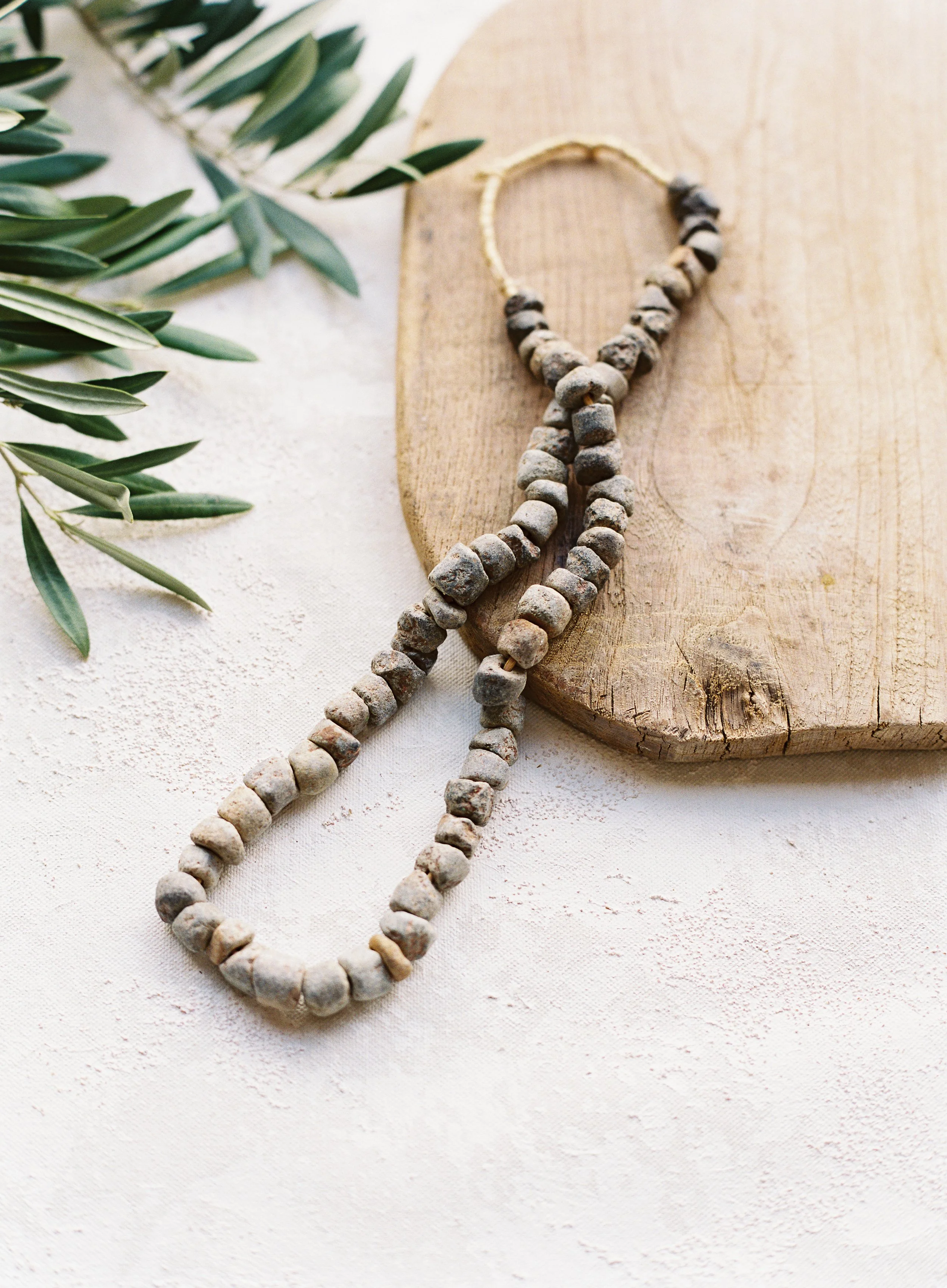
Every product photographer needs this setup: warm neutral backdrop that works with any color palette, hand-painted texture that adds depth, and the confidence that your backdrop elevates your work instead of flattening it. This is what canvas gives you. A foundation that makes everything you photograph look more professional, more intentional, more editorial.
The Setup Reality
Muslin requires constant fussing.
Clip it to your stand. Step back. Notice it's sagging. Adjust the clips. Steam out the wrinkles you just created by adjusting. Notice a new wrinkle on the other side. Fix that. Check your test shot. See a fold line you missed. And so on.
I'm not exaggerating. Ask anyone who's worked with muslin professionally. The maintenance never ends.
Canvas is set-and-forget.
Roll out your canvas. Attach it to your stand. Let it hang for a few minutes while you set up the rest of your shoot. The weight of the canvas naturally pulls out any minor wrinkles from rolling. Shoot.
I can set up a canvas backdrop in under two minutes. I've never managed the same with muslin because there's always something to adjust.
When Muslin Actually Makes Sense
I said I'd be honest, so here's when muslin is the right choice:
You're just starting out and need something functional while you build your business. A $50 muslin backdrop gets you shooting. You can upgrade to canvas once you're booking consistently.
Weight is absolutely critical. If you're flying to shoots regularly and every ounce matters, muslin's lighter weight is a real advantage.
You need a specific color for one project and don't want to invest. Sometimes you need a backdrop once and never again. Muslin is cheaper for one-off situations.
I'm not going to pretend canvas is the right choice for every photographer in every situation. It's not.
When Canvas Is Worth the Investment
You care about the quality of your portfolio. The depth and dimension of hand-painted canvas shows in your work. Over time, it becomes part of what distinguishes your images.
You're tired of steaming and fussing. The time you save not fighting with wrinkles adds up to hours over a year. Hours you could spend shooting, editing, or resting.
You want something that lasts. A canvas backdrop that lasts 10 years costs less per shoot than a muslin backdrop you replace every two years.
You're shooting work where backdrop quality matters. Bridal portraits. Editorial work. Fine art photography. Any context where the backdrop contributes to the final image rather than just existing behind the subject.
You're positioning yourself as a premium photographer. Your gear choices signal something about your work. Photographers commanding $8,000+ wedding packages aren't shooting on Amazon muslin.
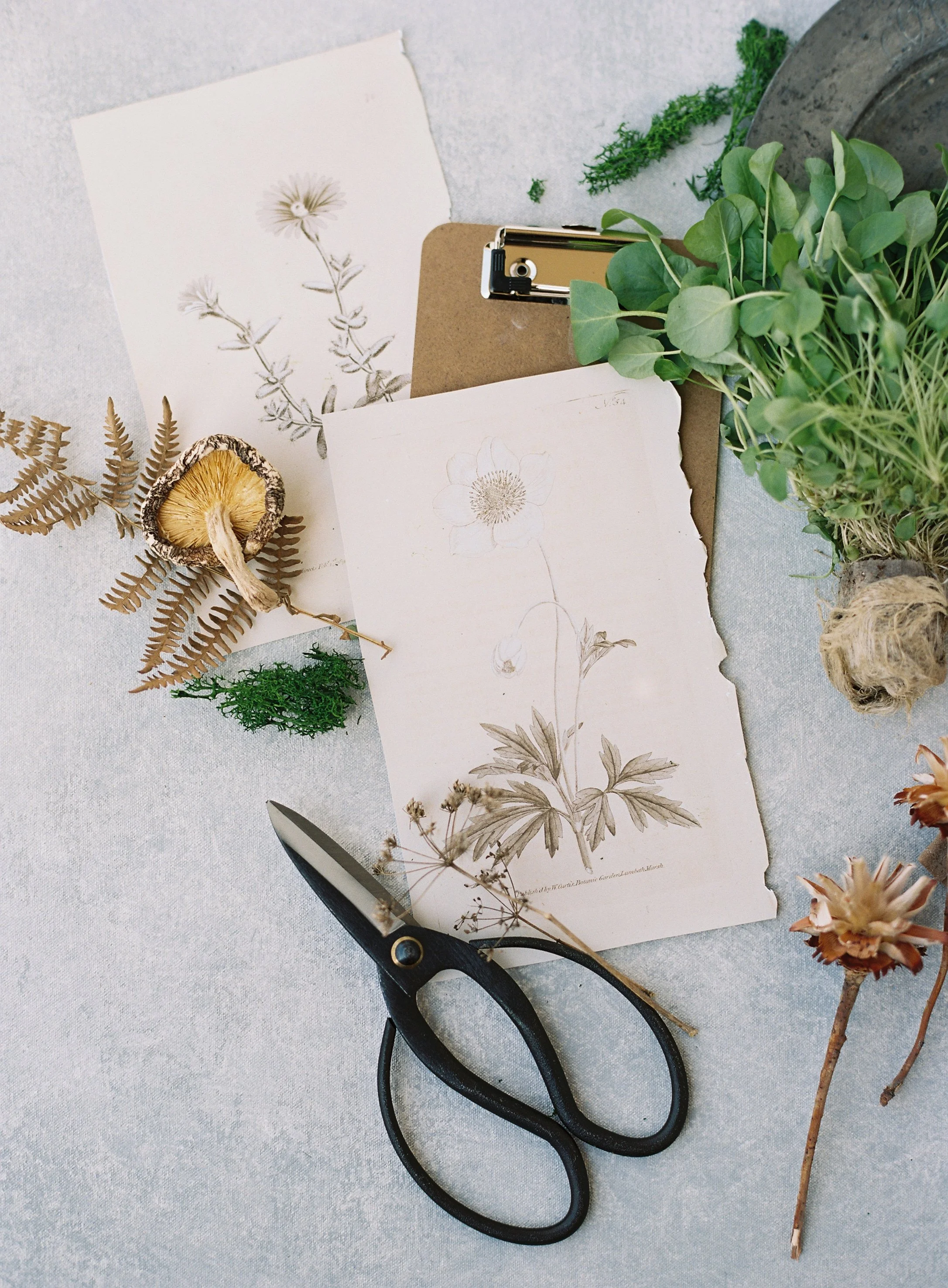
Cool neutrals work with everything. Hand-painted texture adds dimension. Canvas creates the foundation for editorial flat lay work.
What It Actually Costs You
Forget the price tag math. That's not where the real cost lives.
The real cost of shooting on muslin is the bride who scrolled past your portfolio because something felt off. She couldn't articulate it. Your work just didn't grab her the way another photographer's did. She booked someone else.
The real cost is the styled shoot that got published in a wedding blog, but your images weren't selected. The editor chose the photographer whose work had that editorial depth. Yours looked flat in comparison.
The real cost is the referral that didn't happen. Your past client loved working with you, but when her friend asked for photographer recommendations, she hesitated. Your images were good. But were they "you have to book this person" good?
These costs don't show up on a spreadsheet. You never see the inquiry that didn't come. You never know about the bride who almost contacted you but chose someone else. You just feel the slow friction of a portfolio that's fine but not magnetic.
Meanwhile, the photographer down the street invested in quality backdrops. Her bridal portraits have dimension. Her work gets shared. Planners remember her name. She's booking the weddings you're competing for.
The $797 isn't the cost. It's the gap between being considered and being chosen.
My Honest Recommendation
If you're a working photographer who cares about image quality and plans to be in business for more than a year or two, invest in canvas.
Not because I sell it. Because I've been on both sides. I've steamed muslin at 6am before wedding day getting-ready sessions. I've watched wrinkles show up in images I couldn't reshoot. I've replaced faded, stretched backdrops over and over.
Canvas solved those problems. It photographs better, lasts longer, and removes an entire category of frustration from my workflow.
That's worth the higher upfront cost. For me, and for most photographers I talk to. Learn more in our complete photography backdrop guide.
Looking at a broader materials comparison? Check out our complete guide to canvas, muslin, vinyl, and paper backdrops to see how hand-painted canvas stacks up against every backdrop material option.
If you're ready to make the switch, explore our hand-painted canvas backdrops at chasingstone.com/shop-all. Start with a neutral like SANDSTONE or LIMESTONE that works for everything, and see the difference for yourself.
Related Reading
Creators of premium photography backdrops and styling surfaces
Trusted by thousands of discerning creatives worldwide
Every piece is handcrafted with intention in Orange County, California