
How to Clean and Store Hand-Painted Canvas Backdrops: Long-Term Care Guide (2026)
By Jennifer Kidd — Chasing Stone Co-Founder

Posted on Jul. 23, 2026
To clean and store hand-painted canvas backdrops properly, dust with a soft-bristled brush before every session, spot-treat stains immediately (a damp cloth for water-based marks, a dry cloth and art gum eraser for oil-based marks), and always store the canvas rolled paint-side out around its original cardboard core in a climate-controlled space between 59 and 77 degrees Fahrenheit. With these straightforward practices, a Chasing Stone hand-painted photography backdrop will perform beautifully for over ten years, maintaining the tonal depth and light-diffusing surface quality that make hand-painted canvas irreplaceable for editorial and fine art work.
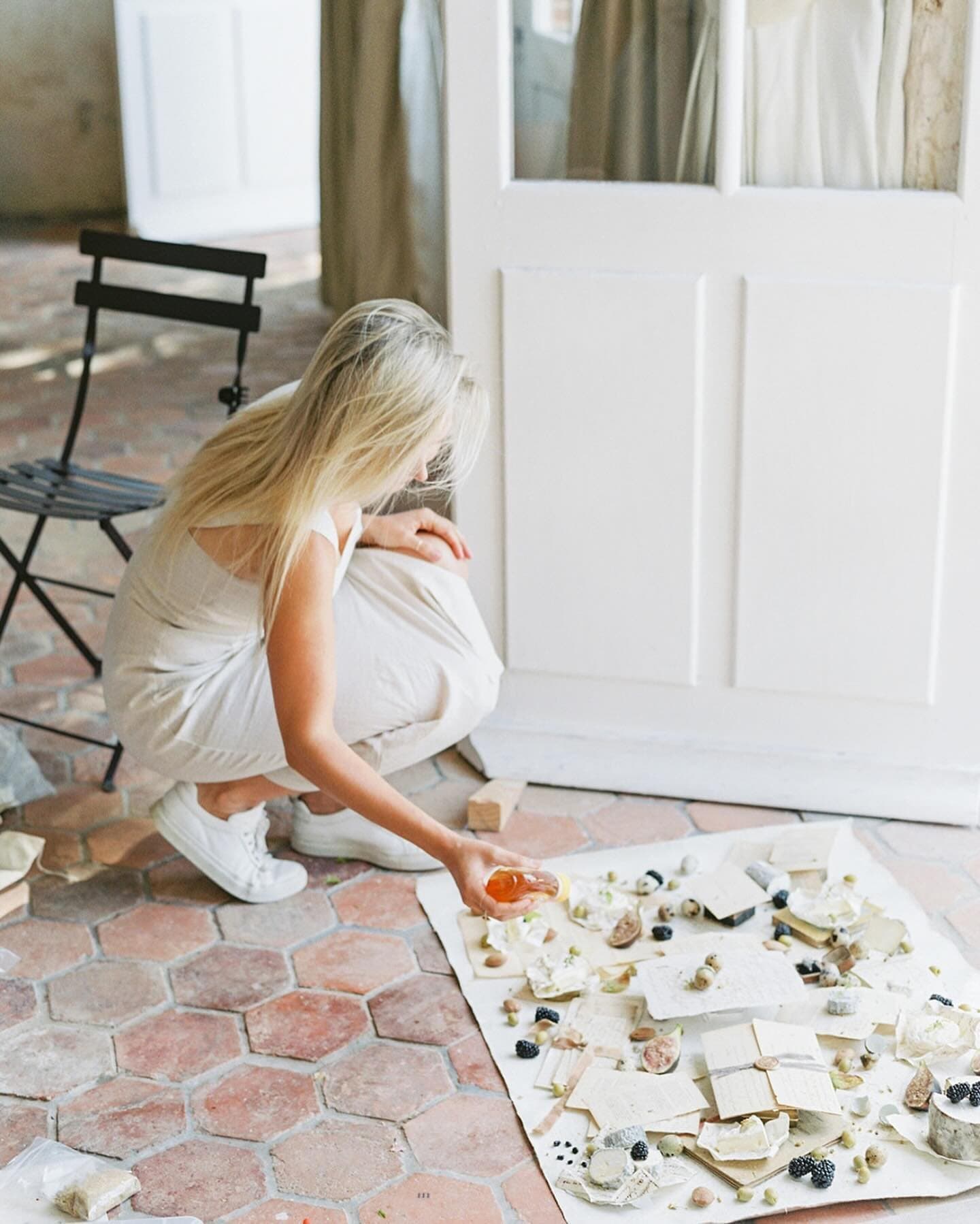
This is what we have learned from years of creating these surfaces and watching them live in the world's most discerning studios. Jennifer hand-paints every Chasing Stone backdrop herself, layering pigment across premium cotton canvas over the course of two to three days. Whether you are working with the warm terracotta richness of our Clay canvas or the deep architectural gray of Slate, the care practices are the same, and they are simpler than most photographers expect. The depth that makes these surfaces worth using comes from the paint layer and the canvas weave working together. The goal of storage and cleaning is to keep both intact.
The physics of hand-painted cotton canvas is different from vinyl or muslin. Cotton absorbs humidity and expands slightly, vinyl reflects light and shows every fingerprint, and muslin wrinkles under its own weight. Our canvas does none of these things when stored and cleaned properly. It responds to light the way a painting in a gallery responds to light. It endures session after session because the materials were chosen for endurance, and because the steps to preserve them are few but specific.
This SLATE backdrop is more than a backdrop. Properly cared for, hand-painted canvas like this performs beautifully for ten years or more, the same surface for hundreds of sessions.
Quick Answer
Store hand-painted canvas backdrops rolled paint-side out around the cardboard core provided, in a climate-controlled space between 59 and 77 degrees Fahrenheit at 40 to 60 percent relative humidity. Dust with a soft-bristled brush before each use. Treat stains immediately: oil-based marks with a dry cloth and art gum eraser, water-based marks with a lightly damp cloth. Light creases can be removed by ironing the back side on high heat without steam. Never fold, crease, or store in environments with rapid humidity swings or temperatures above 80 degrees. With these precautions, a Chasing Stone canvas typically performs beautifully for 10+ years.
The Canvas You Are Protecting
Before discussing how to care for a hand-painted backdrop, it helps to understand what you own. A Chasing Stone canvas begins as premium cotton duck, a tightly woven textile chosen specifically for its ability to accept layered pigment and respond to studio light with dimensional depth. The weave is tight enough to hold detail in the brushstrokes, and the cotton fiber is naturally absorbent, so the paint sits into the surface rather than resting on top of it the way an acrylic gloss on synthetic material would.
Once the canvas arrives in the studio, Jennifer paints it by hand using professional-grade acrylics, building up the surface color and tonal variation across the full span of the backdrop. A 5x8 foot canvas takes two to three days to complete. A larger 8x10 foot or 8x14 foot surface takes proportionally longer. No two canvases are identical because no two paintings are identical. The variation in tone, brushstroke direction, and color intensity is a feature, not a defect. It is the same principle that makes a painting more valuable than a print.
This means the canvas you receive is not a consumable surface. It is a durable good designed to be used hundreds of times. The paint layer has been applied with understanding of how it will move and shift under different light conditions. The cotton base will handle humidity changes within normal studio ranges. What threatens longevity is not normal studio use but improper storage, harsh chemicals, or physical trauma. Protect against those three threats, and your backdrop becomes part of your permanent studio infrastructure.
Storage Climate and Environment
The single most important factor in canvas longevity is storage climate. Ideal conditions are 59 to 77 degrees Fahrenheit (15 to 25 degrees Celsius) with relative humidity between 40 and 60 percent. This is the same environment that fine art conservators maintain for paintings and textiles. Cotton canvas responds to moisture by absorbing it, which can cause the weave to loosen slightly and the painted surface to become slack. Conversely, extremely dry air can cause the canvas to tighten and potentially crack the paint layer.
More damaging than a steady state is rapid fluctuation. A backdrop stored in a garage or uninsulated storage unit that experiences a 30-degree temperature swing between morning and afternoon, or a humidity shift from 45 percent to 75 percent within hours, will deteriorate faster than one stored in a slightly warmer or cooler space with stable climate. The canvas is constantly absorbing and releasing moisture, and constant adjustment stresses both the weave and the paint.
In practice, this means storing your backdrops indoors in a climate-controlled space. An air-conditioned studio, a temperature-controlled closet, or an interior room away from windows works well. Avoid basements prone to humidity spikes, attics that heat in summer, or uninsulated outdoor structures. If your studio space does not maintain stable climate, consider a small portable dehumidifier or humidifier depending on your region's tendency. For photographers in very humid climates (Florida, the Pacific Northwest), keeping a log hygrometer in the storage area is a useful insurance policy.
Rolling and Securing Your Backdrop
Every Chasing Stone backdrop ships rolled on the cardboard core provided, secured inside a rigid cardboard tube. This is the ideal storage configuration. The cardboard core is part of your permanent care system. Keep it, use it, never discard it.
When rolling a backdrop for storage, always roll with the paint side facing outward, away from the center of the roll. This ensures that the painted surface curves gently around the outside diameter, placing minimal stress on the paint layer. Rolling with the paint side inward creates the opposite effect: the paint is on the inside of the curve, which can cause micro-cracking over time. The difference is subtle but cumulative. Rolling correctly from the first use adds years to your backdrop's working life.
Once rolled paint-side out, secure the backdrop with the tie straps provided or with soft cotton fabric ties, never with plastic wrap or duct tape that can adhere to or mark the surface. The rolled canvas should stay in the cardboard tube, which protects it from dust and light damage. Some photographers remove the tube to save shelf space. This is a false economy. The tube adds minimal bulk and provides protection that is difficult to replicate. Store the tube standing upright or lying horizontally. Both positions work equally well. What matters is stability: the tube should not be leaned against sharp edges, crushed under other equipment, or rolled repeatedly across rough floors.
Canvas Storage Temperature and Humidity Targets
Maintain storage conditions between 59 and 77 degrees Fahrenheit and 40 to 60 percent relative humidity. These parameters match the conservation standards used by fine art museums for paintings and textiles. Cotton canvas is most stable within this range. Extreme heat speeds chemical degradation of the acrylic pigment. Extreme cold is less of a concern but can make the canvas overly stiff. Humidity outside the 40-60 range causes the weave to absorb or release moisture, stressing both the canvas and the paint layer.
Hand-painted canvas, ready for its next set. Built to hold up session after session.
Pre-Session Dusting and Inspection
Before every shoot, spend thirty seconds inspecting your backdrop and removing surface dust. This simple habit prevents most issues. Dust contains particles that can become embedded in the canvas texture during a session, and over time can dull the paint surface or create a subtle grittiness where the paint layer meets the light.
Use a soft-bristled brush or a sticky lint roller applied gently across the surface. A brush with natural bristles (not synthetic) is ideal because it is less likely to generate static electricity that attracts dust. Work from top to bottom, using light pressure. The goal is to remove accumulated dust, not to agitate the canvas. If you notice stuck particles that do not come loose with the brush, do not scrub harder. Leave them and proceed with dusting the rest of the surface. Stubborn particles are rare and typically require the cleaning methods described below, not mechanical dusting.
This is also the moment to inspect the backdrop for damage. Before it goes on set, look for creases or folds from improper storage, water marks, or areas where the paint surface looks compromised. Catching issues early allows you to address them before the session, rather than discovering them in post-production.
Cleaning Methods for Common Marks
Hand-painted canvas backdrops do not require washing. They require targeted stain treatment. The difference is critical. A full wash risks saturating the canvas, which can cause the weave to loosen and the paint to bubble. Instead, treat individual marks immediately, while they are fresh, using the method appropriate to the stain type.
Oil-based stains (footprints, hand marks, makeup transfer): Blot the area with a dry cloth or sponge to remove excess oil. Once the surface is dry, use a white art gum eraser applied gently in circular motions. Art gum is a soft, pliable eraser formulated for textiles and artwork. It will lift oil-based marks without damaging the paint layer. Work slowly. The mark may not disappear completely in a single pass, and that is acceptable. Aggressive rubbing risks abrading the surface. After erasing, dust the residue away with a soft brush.
Water-based stains (coffee, tea, water splashes, floral preservative): These are less common on a backdrop during a session, but can occur during transport or storage. Blot immediately with a lightly damp cloth. Do not saturate the area. The goal is to remove the stain without introducing more moisture. Use a cloth dampened with distilled water rather than tap water, which can leave mineral deposits. Press the cloth against the stain and lift. Repeat if necessary. Once the stain is removed, use a dry cloth to remove excess moisture and allow the area to air dry completely before storing or using the backdrop again.
The principle underlying both methods is the same: act immediately, use minimal moisture, apply gentle pressure, and allow adequate drying time. A stain that sits for a week becomes more difficult to remove than one addressed within hours. The paint layer on a hand-painted canvas is forgiving if handled with intent, and stubborn if abused with aggressive scrubbing or chemical treatments. This applies equally to the pale warmth of our Limestone canvas and the near-black depth of Carbon, though lighter colorways tend to show marks more visibly and benefit most from prompt attention.
Removing Minor Creases and Wrinkles
Despite careful storage, light creases occasionally appear from normal wear. A backdrop that has been rolled and unrolled hundreds of times may develop subtle creasing along the edges where the roll begins to flatten. These creases are cosmetic issues, not damage. They typically release when the canvas is steamed or ironed, and they fade further once the backdrop is stretched on a stand and exposed to warm studio light.
To remove creasing, hang the backdrop or lay it flat on a clean surface, paint side down. Set a household iron to high heat without steam. Hold the iron 4 to 6 inches from the canvas surface and move it slowly across the creased area. Do not touch the iron directly to the canvas and do not use steam, which can cause the pigment to run or the canvas weave to become overly relaxed. The dry heat will gradually relax the crease without risking damage to the surface. This typically takes two to three passes. Allow the backdrop to cool and fully relax before rolling or storing it again.
Deep creases or folds are a different issue. A backdrop that has been folded rather than rolled, or stored under pressure, may have creasing that will not fully release. These creases can be minimized with ironing but may not disappear completely. Prevention is far more effective than correction. Always roll your backdrop. Never fold it. Never stack heavy objects on top of it in storage. Never lean it against a wall where pressure points develop.
Hand-Painted Canvas Backdrop Care Reference Chart
Backdrop Care Guide
Materials You Should Never Use
The list of what not to use is as important as what to use. Avoid all liquid detergents, bleach, vinegar solutions, or any commercial stain remover formulated for upholstery or carpet. These chemicals are designed to break down fibers and synthetic stains. On a hand-painted canvas, they can strip pigment, alter color, cause the weave to become slack, or leave residues that attract dust and degrade the surface over time.
Do not use hot steam directly on the painted surface, even though steam might seem like a gentle cleaning tool. Steam can cause the pigment to run, especially in areas where multiple colors meet, and it can leave moisture inside the canvas weave where it promotes mold growth. If steaming is necessary for removing wrinkles, always apply it to the back side only, at a distance, never touching the surface directly.
Do not use abrasive materials such as sponges with rough textures, steel wool, or any kind of brush with synthetic bristles. Do not use masking tape, duct tape, or packing tape directly on the painted surface. These materials can pull or mark the paint layer. Avoid storing your backdrop in contact with plastic sheeting or plastic storage bags. Plastic can trap moisture and stick to the paint surface, especially in warm conditions. Instead, store the rolled canvas in its original cardboard tube or wrap loosely in acid-free paper if additional protection is needed.
Long-Term Performance and Lifespan
A Chasing Stone hand-painted canvas backdrop, properly stored and cleaned, typically performs beautifully for over ten years of regular professional use. The paint does not fade, crack, or deteriorate under normal studio lighting. The canvas does not become loose or slack. The tonal depth does not diminish. What does happen is that the backdrop becomes part of your studio identity. The more you use it, the more your eye calibrates to its specific light behavior. A backdrop you have shot dozens of times becomes a language you speak fluently with light.
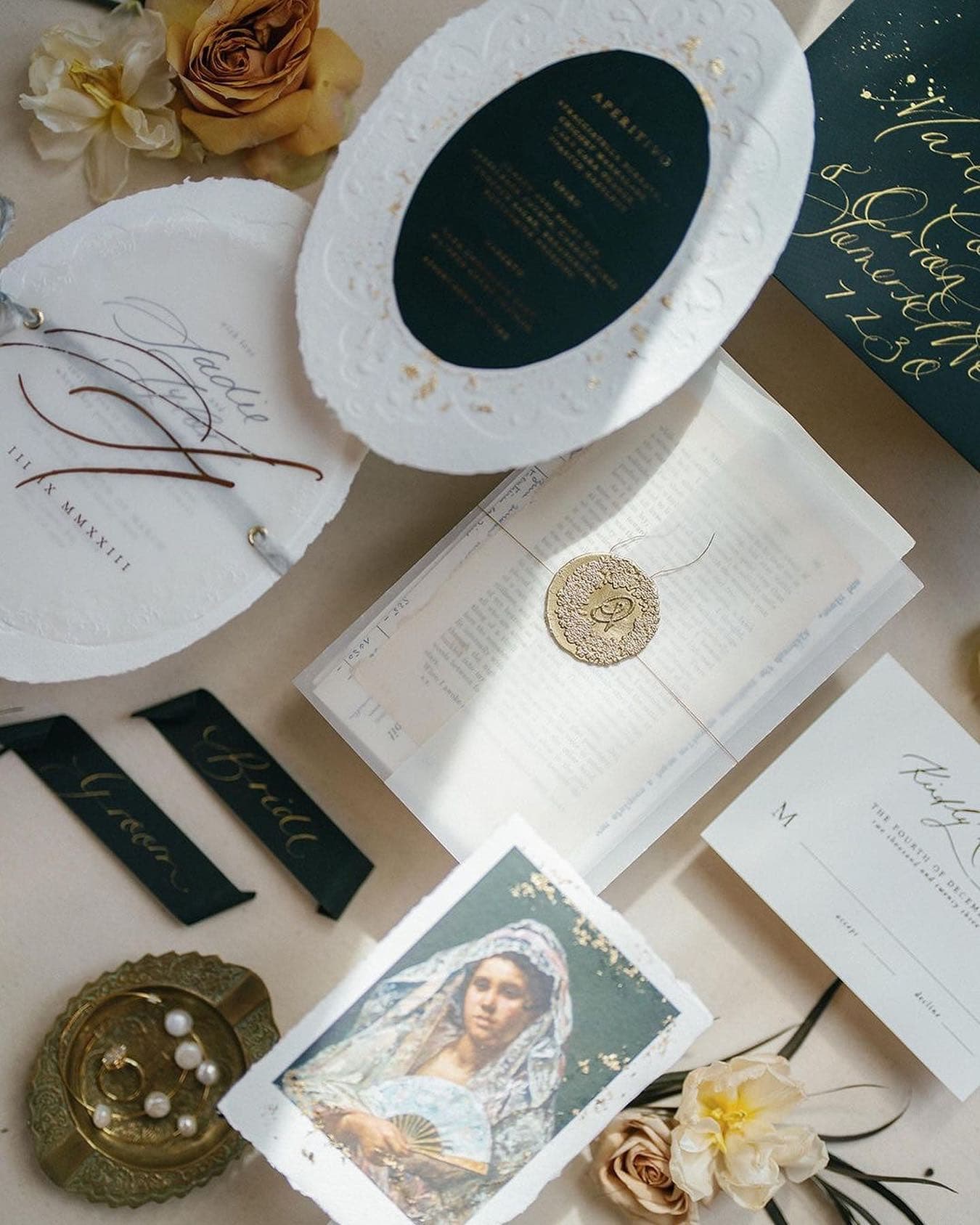
This flat lay was shot on one of our hand-painted canvas backdrops, still smooth and true to color after regular studio use. Cared for properly, that's the kind of longevity built into every Chasing Stone canvas.
The lifespan is not determined by a calendar. It is determined by use and care. A backdrop used twice weekly for ten years, stored properly and cleaned thoughtfully, will outlast one used sporadically but stored in a garage or a humid closet. The canvas is durable because it was made to be durable. The hand-painted surface is stable because it was created with intent. Your role is to honor that investment by handling the surface with the care it deserves.
When to Consider Professional Conservation
For backdrops that have sustained physical damage, major creasing, mold growth, or pigment damage, professional textile conservation is an option. Museums use textile conservators to repair fine art and historically significant fabrics. The same expertise can be applied to a hand-painted backdrop. This is not a typical recommendation because proper care makes it unnecessary. But if a backdrop you value has been damaged in a way that exceeds the cleaning and creasing methods described here, seeking a conservator is a legitimate choice. The investment is worth it for backdrops that have been part of your creative practice for years.
Transport and Travel Considerations
Storage in your studio and transport to a location are related but distinct challenges. A backdrop that lives in a stable climate-controlled space faces only the challenges of dust, light damage over years, and the normal wear of rolling and unrolling. A backdrop being transported in a vehicle faces temperature swings, humidity changes, and potential physical trauma from movement or other equipment.
When transporting a backdrop, keep it in the cardboard tube. Do not leave it in a car trunk or uninsulated space where temperature can swing from 40 degrees in the morning to 90 degrees by afternoon. If traveling a significant distance, keep the backdrop in the passenger cabin of your vehicle where temperature is controlled. Once you arrive at the location, allow the backdrop to acclimate to the new environment for at least an hour before opening the tube and setting it up. This allows the canvas to adjust its moisture content to the new climate gradually, reducing stress on the weave.
If you travel frequently or shoot in multiple climates, the care principles remain the same. Handle the backdrop gently. Keep it protected from dust and light. Store it rolled paint-side out. Acclimate it to new environments. A backdrop that has been cared for in your home studio will travel well and perform just as effectively on location.
Sustainability and Responsible Stewardship
Caring for your hand-painted backdrop properly is an act of environmental stewardship. A canvas that lasts ten years rather than two or three years eliminates the need for replacement, which means less manufacturing, less material waste, and less transportation. Chasing Stone was the first styling surface manufacturer to offer entirely biodegradable packaging and maintain near-zero waste production. When you extend the lifespan of your backdrop through proper care, you honor the same philosophy.
This philosophy extends to the cleaning methods we recommend. Art gum erasers are made from natural rubber and leave no chemical residue. Distilled water is inert and non-toxic. The methods described here are gentler on both the canvas and the environment than commercial stain removers or heavy-duty cleaning agents. Caring for your backdrop sustainably is not an added complexity. It is the same care that protects the surface and maintains performance.
This CLAY canvas traveled outdoors for an orchard wedding and held its tone beautifully. Hand-painted in two to three days, built to perform for years."
Frequently Asked Questions
Can I wash a hand-painted canvas backdrop in a bathtub or with a hose to remove dust?
No. Water saturation is the primary threat to long-term canvas performance. Even a brief dunk or spray with a hose can cause the weave to loosen, introduce moisture that promotes mold growth, or cause the paint to run in areas where colors meet. Use a dry brush or sticky lint roller to remove dust. Reserve any water contact for spot treatment of specific stains, and then use minimal moisture and allow thorough drying before storing the backdrop.
Is it safe to use a steamer to remove wrinkles from my backdrop?
Steam applied to the back side only, held 4 to 6 inches away from the surface, is a safe way to relax minor creases. Do not apply steam directly to the painted side. Do not let the steamer come into contact with the canvas. The goal is to use heat to relax the weave, not to apply moisture. A dry iron on high heat applied to the back side is equally effective and easier to control.
My backdrop has developed a musty smell in storage. Does this mean mold has grown?
Not necessarily. Musty odors can occur if a backdrop has been stored in a humid space, even without visible mold growth. If you notice this, remove the backdrop from storage and hang it in a well-ventilated, warm area for several hours. Allow it to air out completely. Check for visible signs of mold (dark spots, fuzzy growth, discoloration). If you see actual mold, do not attempt to clean it yourself. Contact a textile conservator. To prevent this issue in the future, store your backdrop in a climate-controlled space and maintain humidity below 60 percent.
What should I do if I accidentally fold or crease my backdrop badly?
Deep creases can often be relaxed with gentle ironing on the back side. Lay the backdrop flat (paint side down) on a clean surface and use an iron on high heat without steam, held 4 to 6 inches from the canvas. Work slowly across the creased area. Allow to cool and relax fully. Repeat if necessary. If the crease does not release fully with ironing, it may be permanent, but it will likely fade significantly once the backdrop is stretched on a stand and exposed to studio light during use. Prevention (always rolling, never folding) is far more effective than correction.
Can I store my backdrop in a plastic storage bin to save space?
Not recommended. Plastic sheeting and bins can trap moisture and potentially stick to the paint surface, especially in warm conditions. The rolled canvas in its cardboard tube takes minimal space and provides superior protection. If space is truly limited, wrap the tube loosely in acid-free archival paper rather than plastic. The cardboard tube is the ideal permanent storage solution.
How often should I inspect my stored backdrop for damage or mold?
Inspect your backdrop before every use, which is typically weekly or monthly depending on your shooting schedule. A brief visual check and dusting take less than a minute. If your backdrop is stored during an off-season or you use it infrequently, inspect it at least quarterly. Look for creasing, discoloration, odor, or any visible damage. Catching issues early allows you to address them before they affect performance in a session.
What is the warranty or expected lifespan of a Chasing Stone hand-painted canvas backdrop?
Chasing Stone canvases are designed and created to be durable goods for professional studio use. With proper care, they perform beautifully for 10+ years of regular use. The lifespan is not a fixed guarantee but a reflection of the materials and craftsmanship. A backdrop stored poorly may show wear in two to three years. A backdrop stored and cleaned thoughtfully may outlast a decade or more. Your care practices determine the actual lifespan.
Moving Forward with Confidence
The care of a hand-painted canvas backdrop is not a burden or an afterthought. It is the continuation of the craft that went into making it. Jennifer's attention to materials, pigment, and canvas preparation extends naturally into how you store and clean the surface. When you treat your backdrop with that same intentionality, you are participating in the same philosophy that created it.
These practices are not complicated. They require no special equipment, no expensive treatments, no constant vigilance. They require only thoughtfulness: rolling carefully, storing in a stable climate, dusting before use, treating stains immediately, and inspecting periodically. In return, you get a surface that becomes more familiar and more effective with every session. A backdrop that is part of your creative language, not a tool you cycle through.
If you have questions about care or have encountered a situation not covered here, reach out to the team at info@chasingstone.com. We are here to help you protect your investment and keep your hand-painted canvas performing at its best. Explore the full range of hand-painted photography backdrops or browse our complete collection of hand-painted surfaces and styling materials when you are ready to expand your studio.
For additional guidance on backdrop use and technique, see our articles on cleaning and caring for hand-painted canvas surfaces, setting up your backdrop for zero-wrinkle sessions, transporting backdrops safely to location shoots, and comparing hand-painted canvas with alternative backdrop materials.
Ready to Invest in Hand-Painted Backdrops?
Every Chasing Stone canvas is hand-painted by Jennifer and crafted to perform beautifully in your studio for years to come. Browse our current collection of colorways, sizes, and styling surfaces, or contact the team to discuss your specific needs.
Shop hand-painted photography backdrops
Questions? Email info@chasingstone.com
By Jennifer Kidd — Chasing Stone Co-Founder