
The Best Styling Surfaces for Food Photography (Without Glare)
Updated on Apr. 13, 2026
You've spent hours perfecting your food styling. The lighting is dialed in, the composition is beautiful, and you're ready to capture that show-stopping shot. But when you review your images, frustration sets in. There it is again: that dreaded glare reflecting off your surface, washing out your colors and creating distracting hot spots that pull attention away from your carefully plated dish.
If you've ever dealt with shiny surfaces bouncing light in all the wrong directions, you know how much time goes into fighting reflections during a shoot. The constant repositioning of lights, the struggle to find the perfect angle, the disappointment of realizing in post-production that glare has ruined an otherwise perfect frame. For product photographers and wedding photographers who shoot details like cakes, cocktails, and reception tablescapes, these challenges are all too familiar.
The solution isn't more complicated lighting setups or expensive diffusers. It starts with choosing the right non-reflective food surfaces from the very beginning. Let's explore how matte finishes and thoughtfully designed styling surfaces can transform your food photography workflow and help you create stunning images without the headache of managing unwanted reflections.
Understanding Why Glare Happens in Food Photography
Before we dive into solutions, it's worth understanding what causes those pesky reflections. Glare occurs when light bounces directly off a smooth, reflective surface straight back into your camera lens. Glossy wood tables, polished marble, glass, and even some painted surfaces act like mirrors under studio lighting or bright natural light.
Food photography amplifies this challenge because we often work with multiple light sources. Side lighting that beautifully highlights texture on your food can simultaneously create harsh reflections on a shiny surface. The physics are simple: smoother surfaces create more direct reflection. Matte finishes, on the other hand, scatter light in multiple directions rather than bouncing it straight back at your lens. This diffused reflection allows you to maintain rich, even tones across your entire image while still capturing the dimensional qualities that make food photography so appealing.
The Magic of Matte Finishes for Food Styling
When you're selecting food photography backdrops and styling surfaces, the finish matters just as much as the color or texture. Matte surfaces absorb and diffuse light rather than reflecting it, giving you consistent, controllable results regardless of your lighting setup.
Hand-painted surfaces offer some of the most beautiful matte finishes available to photographers. The Guilin styling surface, for example, features soft, brushed tones that photograph consistently under any lighting condition. The hand-painted technique creates subtle variations that add visual interest without introducing reflectivity. These organic imperfections actually work in your favor, breaking up any potential for uniform glare while adding depth to your composition.
Similarly, the warm terra-cotta tones of Havana provide a rich, earthy backdrop that stays true to color whether you're shooting in bright midday sun or with artificial studio lights. The matte surface ensures your food remains the star of the image, with the styling surface supporting rather than competing for attention.
What makes these hand-painted options particularly valuable is their professional-grade construction. Made to order and handcrafted in Orange County, California using materials sourced in the USA, they arrive rolled on a cardboard core and packaged in signature branded tubes, making them as practical for traveling photographers as they are beautiful in final images.
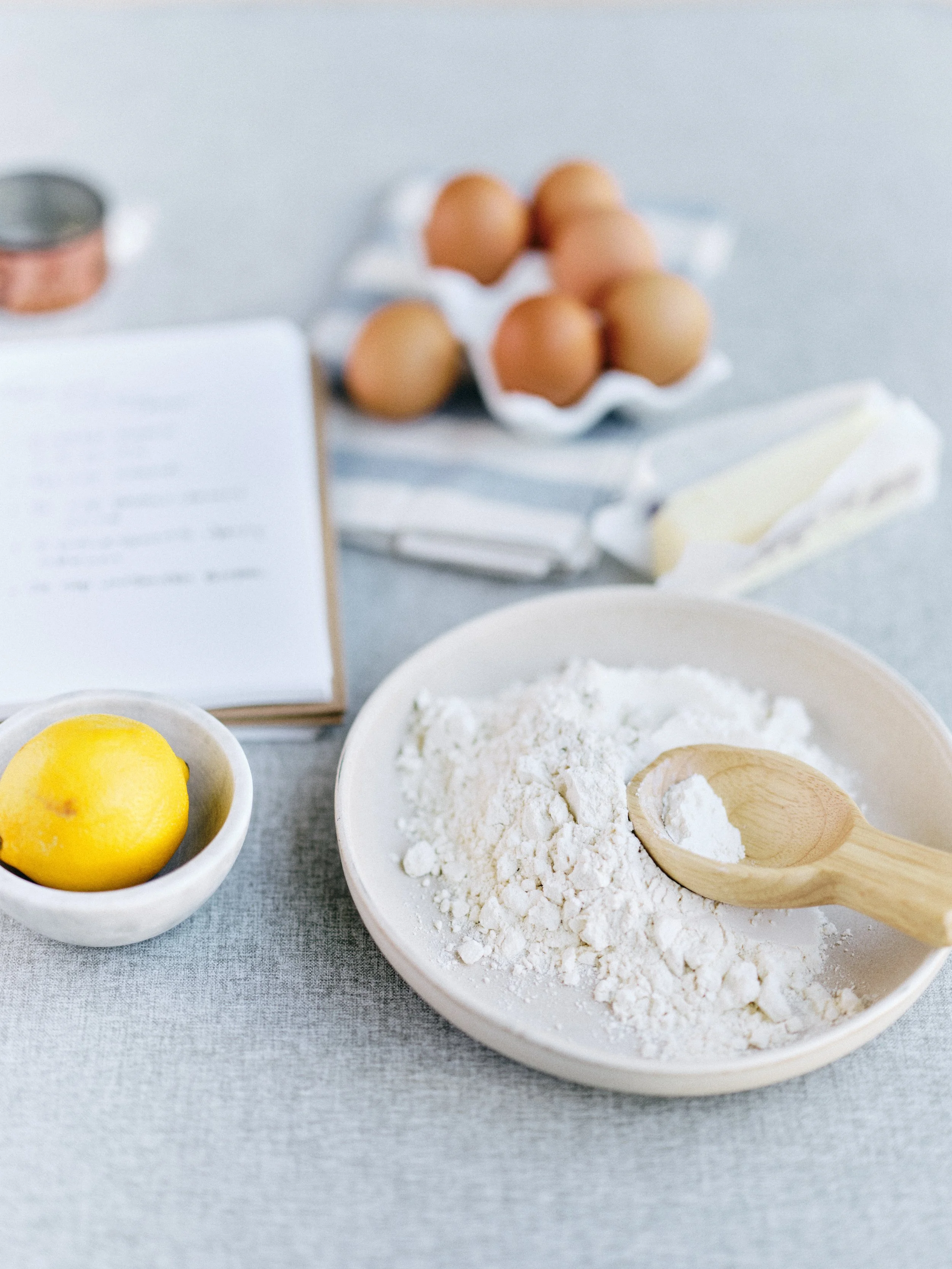
Dealing with harsh glare in your food photos? Switch to matte styling surfaces like linen or stone to instantly improve your baking photography setup.
Neutral Tones That Never Compete
Beyond finish, color selection plays a crucial role in creating glare-free food photography. Neutral tones work harmoniously with the natural colors in food, allowing vibrant dishes to pop without color casts or distracting contrasts.
The cooler gray tones of Avalon offer a sophisticated, modern backdrop that pairs beautifully with both colorful and monochromatic food styling. Gray surfaces are particularly forgiving under mixed lighting conditions, maintaining their true tone without the yellow casts that can plague warmer surfaces or the blue shifts that sometimes affect pure white backdrops. The hand-painted matte finish ensures that even under bright overhead lighting, your surface remains consistently neutral without hot spots.
For photographers who prefer warmer neutrals, beige and cream tones create an inviting, organic feel that works especially well for rustic food styling and natural light photography. The key is selecting surfaces with enough tonal variation to feel organic and dimensional while maintaining that critical matte finish. Hand-painted surfaces with subtle brushwork and organic variation add richness without introducing problematic reflections.
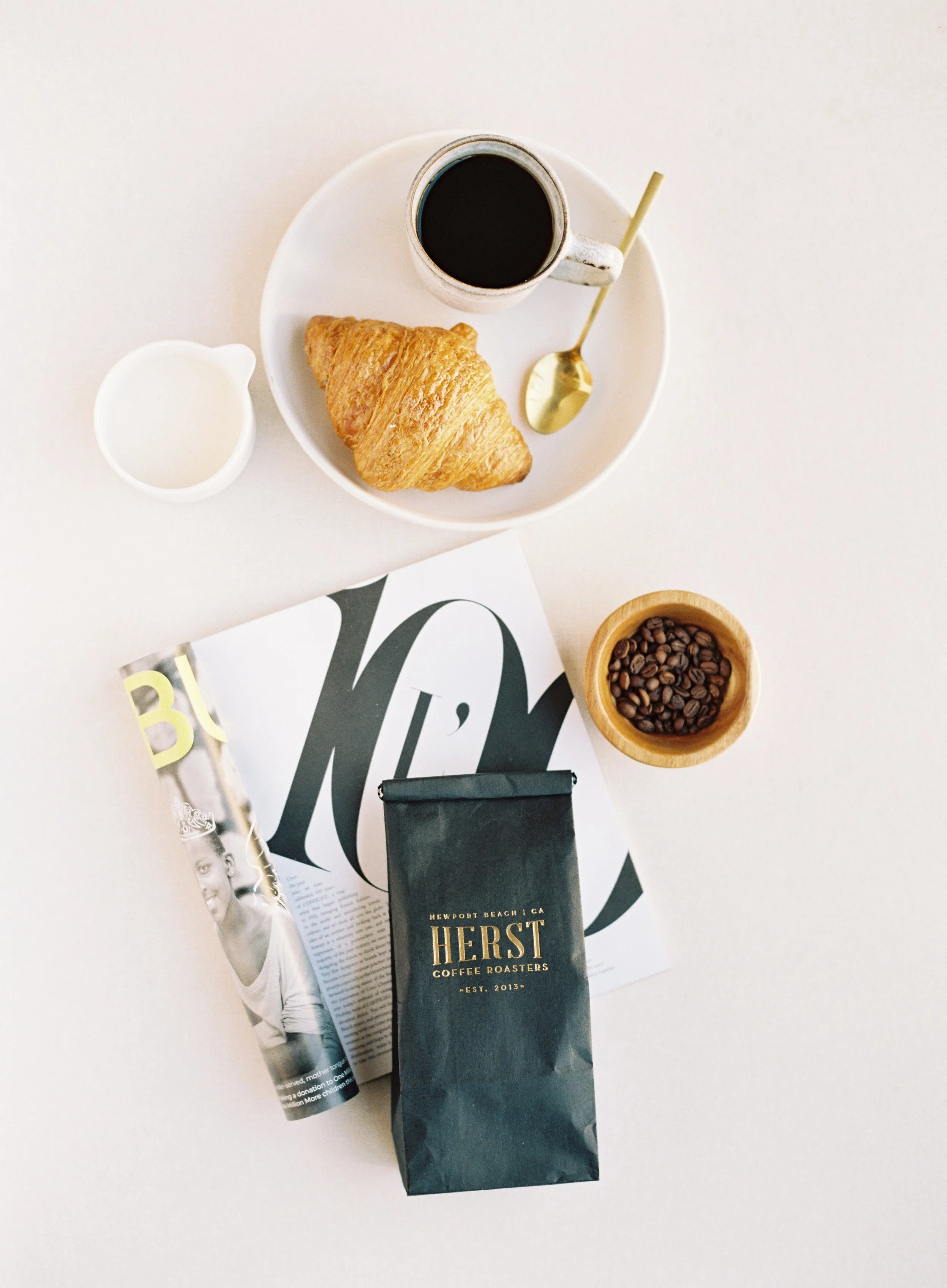
Clean, matte surfaces make all the difference in food photography by reducing glare and helping simple scenes like coffee and pastries look polished and professional.
Spill-Proof Options That Save Your Sanity
Here's a reality of food photography that doesn't get talked about enough: spills happen. Whether you're shooting a latte that topples during setup, a sauce that drips during plating, or a cocktail that splashes during the pour shot, your styling surface takes a beating during any given shoot.
Traditional fabric and painted surfaces have long required extreme caution during food shoots. One errant drop of olive oil or splash of red wine could mean the end of your backdrop mid-session. But innovation in surface protection has changed the game entirely.
Fabric surfaces treated with patented GREENGUARD Gold Certified stain-proofing technology offer genuine spill-proof protection without toxic chemicals. The Alder vegan wool styling surface features protection that's infused into each fiber rather than applied as a top coat. This means the stain resistance never fades or wears away, giving you a surface that performs as beautifully on your hundredth shoot as it did on your first.
What makes this technology particularly valuable is that it's completely free of formaldehyde and harmful forever chemicals like PFAS and PFOAs. You can shoot food photography with confidence, knowing that your surface is safe for both you and the environment. Cleaning is as simple as spot treating with a damp terry cloth towel. For tougher stains, hydrogen peroxide or rubbing alcohol can be used without damaging the fabric.
Similarly, the Dogwood styling surface offers the same protective technology in a different colorway, giving you spill-proof options that coordinate with various styling aesthetics. These fabric surfaces can even be ironed as needed, making them incredibly practical for photographers who are constantly packing and unpacking gear for shoots.
The practical advantage cannot be overstated. When you're not worried about protecting your surface from every droplet, you can focus your energy on composition, lighting, and capturing authentic moments. For wedding photographers shooting reception details or product photographers styling beverage shots, this peace of mind translates directly to better creative work.
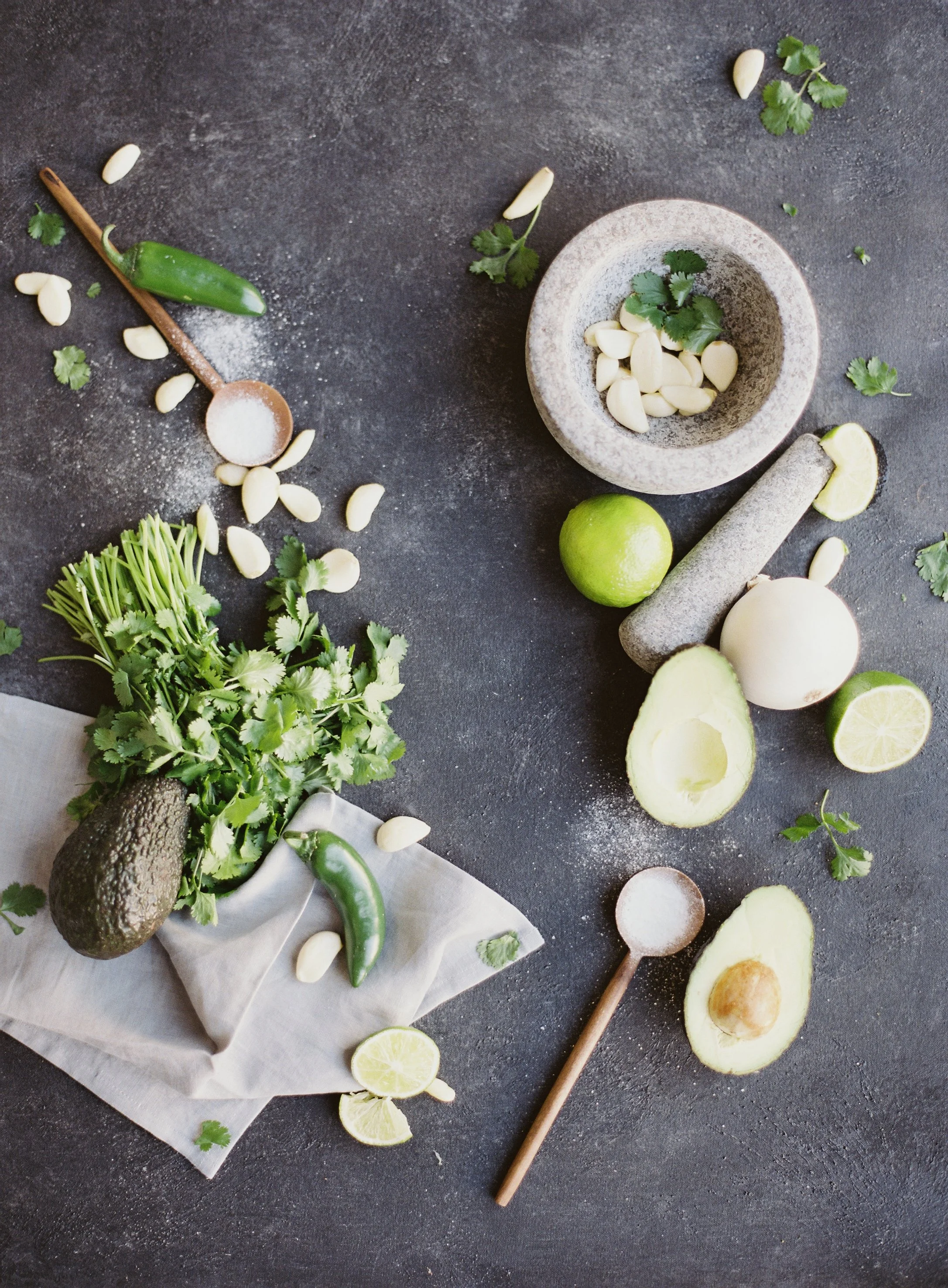
You’ve got fresh ingredients and great light but something feels off. Often, it’s the surface. Matte backgrounds help your food photos look rich and balanced.
Texture Without Reflection: Finding the Balance
One of the most common mistakes in selecting food photography backdrops is choosing surfaces that are either too plain or too textured. Completely smooth surfaces may avoid glare but can photograph as flat and uninteresting. Heavily textured surfaces add visual interest but can sometimes create tiny highlight points where light catches on raised areas.
The sweet spot is surfaces with subtle, organic texture that adds dimension without creating reflection problems. Hand-painted styling surfaces achieve this balance through layered brushwork that creates depth you can see but that doesn't catch light problematically. The slightly irregular surface breaks up light naturally, preventing the uniform reflection you'd get from a perfectly smooth surface while still maintaining that critical matte quality.
Consider how texture interacts with your specific food styling. Smooth, creamy dishes like panna cotta or cheesecake benefit from surfaces with more visible texture to create contrast. Highly textured foods like crusty bread or crispy vegetables pair well with smoother surfaces that let the food's texture take center stage. The right styling surface acts as a supporting character, adding visual richness without upstaging the main attraction.
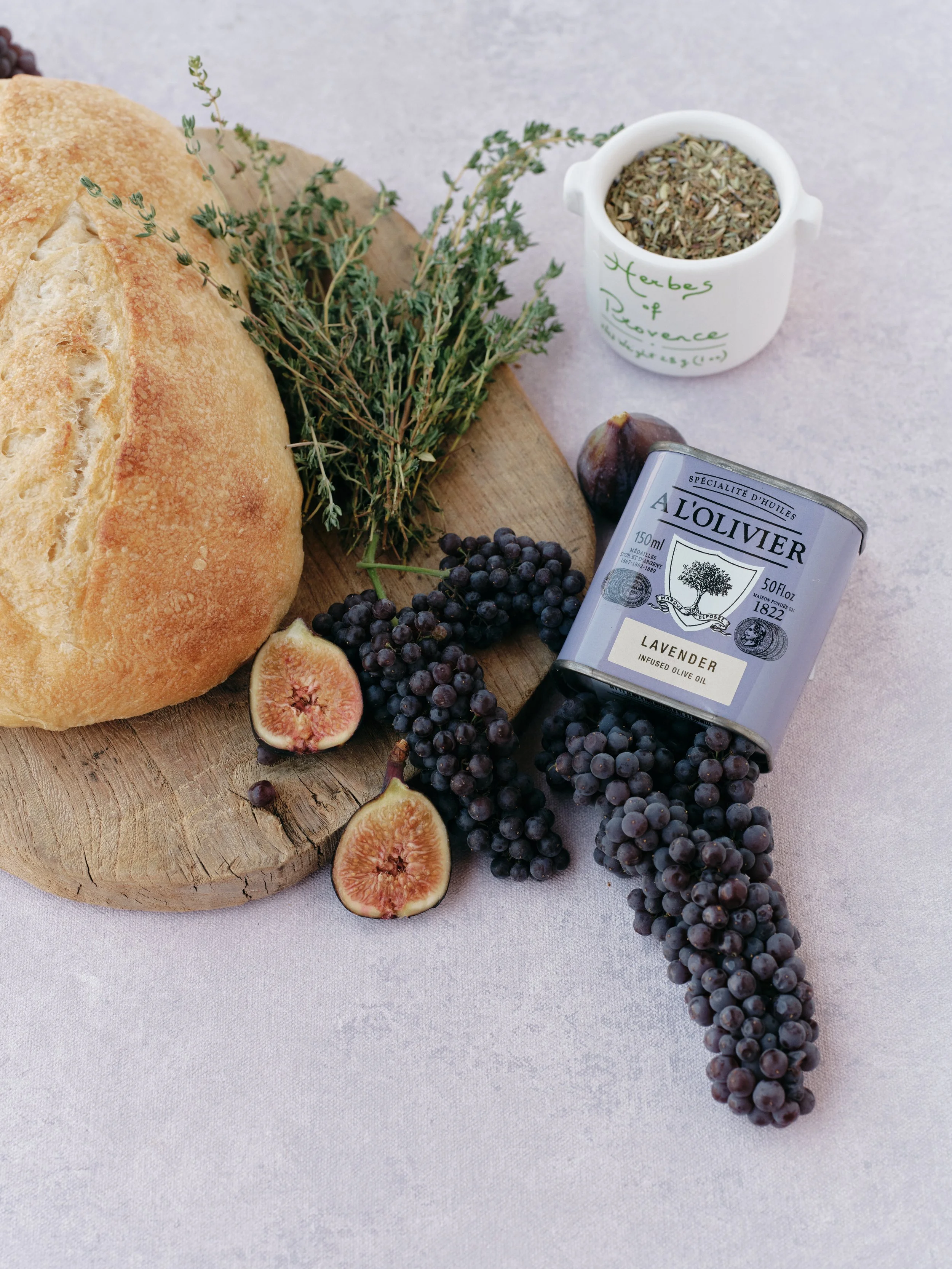
Natural, matte textures like wood boards and linen help reduce glare and bring out rich detail which is perfect for styling rustic food photography scenes.
Size and Portability Considerations
Professional food photography often happens in less-than-ideal spaces. Whether you're shooting in a restaurant kitchen, at a wedding venue, or in a client's home, portability becomes just as important as performance.
Rollable surfaces solve the portability challenge elegantly. Unlike rigid boards that require dedicated storage space and careful transport, surfaces that roll on a cardboard core can fit into a linen bag alongside your other gear. They won't crack, chip, or get dinged in transit the way hard surfaces can. For traveling creatives who need to maintain a professional setup regardless of location, this flexibility is invaluable.
Storage is equally important. Surfaces should be stored rolled tightly on their inner core and secured with a retaining band to prevent creasing or waving. Never fold or crease your styling surface. With proper storage, your matte surfaces will maintain their perfect, glare-free finish shoot after shoot.
Size options matter too. Smaller surfaces work beautifully for tight overhead shots and detailed flatlay work, while larger options give you room to create expansive scenes. Consider building a kit with several sizes so you're prepared for any shooting scenario.
Building Your Glare-Free Surface Collection
Every photographer's needs are different, but there's a strategic approach to building a collection of styling surfaces that will cover most shooting scenarios. Start with two or three versatile neutral tones in your most commonly used size. A warm neutral, a cool neutral, and one slightly more colorful option give you flexibility for different moods and styling directions.
As your collection grows, consider adding both hand-painted and fabric options to your kit. The hand-painted surfaces offer unique, artisanal aesthetics that can't be replicated, while spill-proof fabric surfaces provide practical benefits for liquid-heavy shoots. Having both options means you'll always have the right tool for the specific creative and practical demands of each project.
Remember that these styling surfaces work just as beautifully for product photography, wedding detail shots, and lifestyle imagery as they do for food-specific projects. The versatility of matte, neutral surfaces makes them workhorses in any photographer's kit. Your investment in quality, glare-free surfaces pays dividends across all your creative work.
The difference between fighting your surfaces and working in harmony with them is transformative. When you're not constantly adjusting lights to minimize glare or spending hours in post-production trying to rescue blown-out highlights, you're free to focus on what matters: creating beautiful, compelling images that tell a story and connect with viewers. The right styling surfaces don't just solve technical problems. They open up creative possibilities and make the entire shooting process more enjoyable and efficient.
Ready to transform your food photography with surfaces that finally work with you instead of against you? Explore the full collection of hand-painted and fabric styling surfaces at Chasing Stone, where every piece is handmade with intention in Orange County, California. With options designed specifically for traveling creatives who refuse to compromise on quality, you'll find the perfect glare-free surfaces to elevate your next shoot. Plus, with every purchase, one tree is planted, making your investment in beautiful surfaces an investment in a sustainable future too.
Creators of premium photography backdrops and styling surfaces
Trusted by thousands of discerning creatives worldwide
Every piece is handcrafted with intention in Orange County, California