
Portrait Photography Backdrops: The Complete Guide for Non-Wedding Photographers
Posted on Feb. 3, 2026
Wedding photographers get all the attention.
Every backdrop guide, every styled shoot feature, every Instagram reel seems to assume you're photographing brides. Meanwhile, you're building a portrait business that has nothing to do with weddings, and you're left wondering if the same advice even applies.
It does. And it doesn't.
The fundamentals transfer. Light still behaves the same way on canvas whether there's a bride or a CEO in front of it. But the specific considerations for portrait work are different. Your sessions are shorter. Your client relationships are different. Your portfolio needs to show range rather than romantic consistency.
This guide is for photographers whose work lives outside the wedding industry. Headshot photographers. Family portrait specialists. Newborn photographers. Senior portrait artists. Boudoir photographers. Corporate and commercial shooters. Anyone who's ever felt like backdrop advice wasn't written for them.
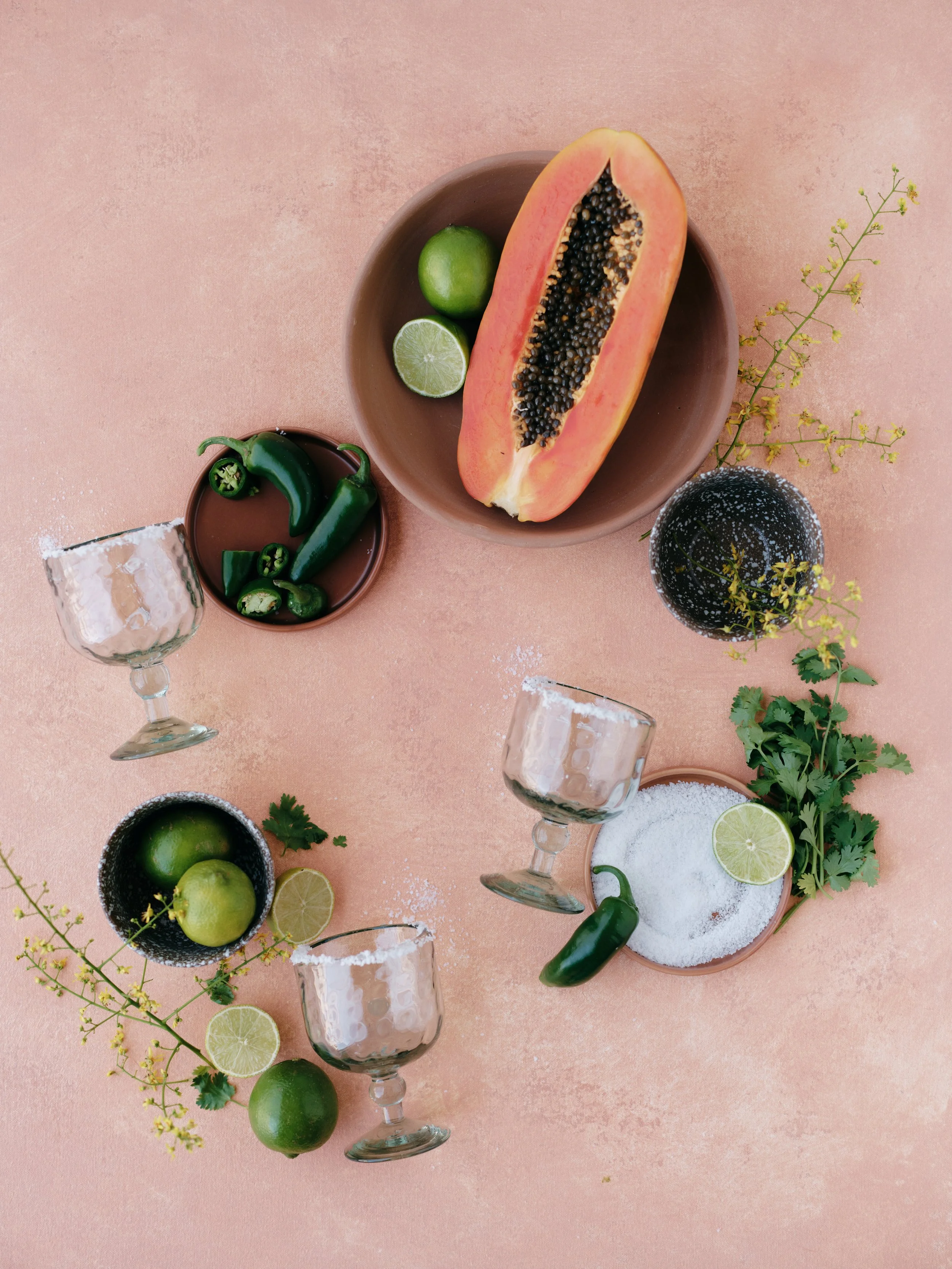
Still shooting portraits on paper backdrops? See how hand-painted canvas elevates every session type. Explore the full collection at chasingstone.com.
Why Portrait Work Has Different Backdrop Needs
Wedding photographers typically build a collection around a cohesive aesthetic. Romantic, editorial, light and airy, dark and moody. Their backdrops support that singular vision across hundreds of similar shoots.
Portrait photographers need versatility. Monday might be corporate headshots requiring clean professionalism. Tuesday could be a moody boudoir session. Wednesday brings a newborn requiring soft, organic warmth. Thursday is a high school senior who wants something edgy.
One backdrop rarely covers all of that. But the right two or three can.
The other difference is session length. Wedding photographers might use a backdrop for 20-30 minutes of an 8-hour day. Portrait photographers might shoot entire sessions on a single backdrop. The backdrop isn't a moment in the day. It's the environment for the whole experience.
This means your backdrop choices matter more per session, and versatility matters more across your business.
Headshot Photography: Clean, Professional, Forgettable (In a Good Way)
The best headshot backdrop is one nobody notices.
Your client's face should dominate. Their expression, their eyes, their professional presence. The backdrop exists to not distract. To create separation. To disappear.
What works: Neutral tones that don't compete with any skin tone or clothing choice. Warm taupes, soft greys, muted earth tones. Enough texture to avoid looking like a DMV photo, but not so much texture that it calls attention to itself.
What doesn't work: Bold colors that limit wardrobe options. Heavy texture that competes with the face. Pure white (reflects onto skin and creates editing headaches). Pure black (can feel dated or overly dramatic for corporate contexts).
BENTONITE is my most-recommended backdrop for headshot photographers. That mid-taupe warmth flatters every skin tone while reading as completely professional. It works for the tech startup founder and the law firm partner equally.
Size consideration: Headshots are tight crops. You don't need an 8x14. A 5x8 handles most headshot work comfortably, and the smaller size makes sense if you're traveling to corporate offices for on-site sessions.
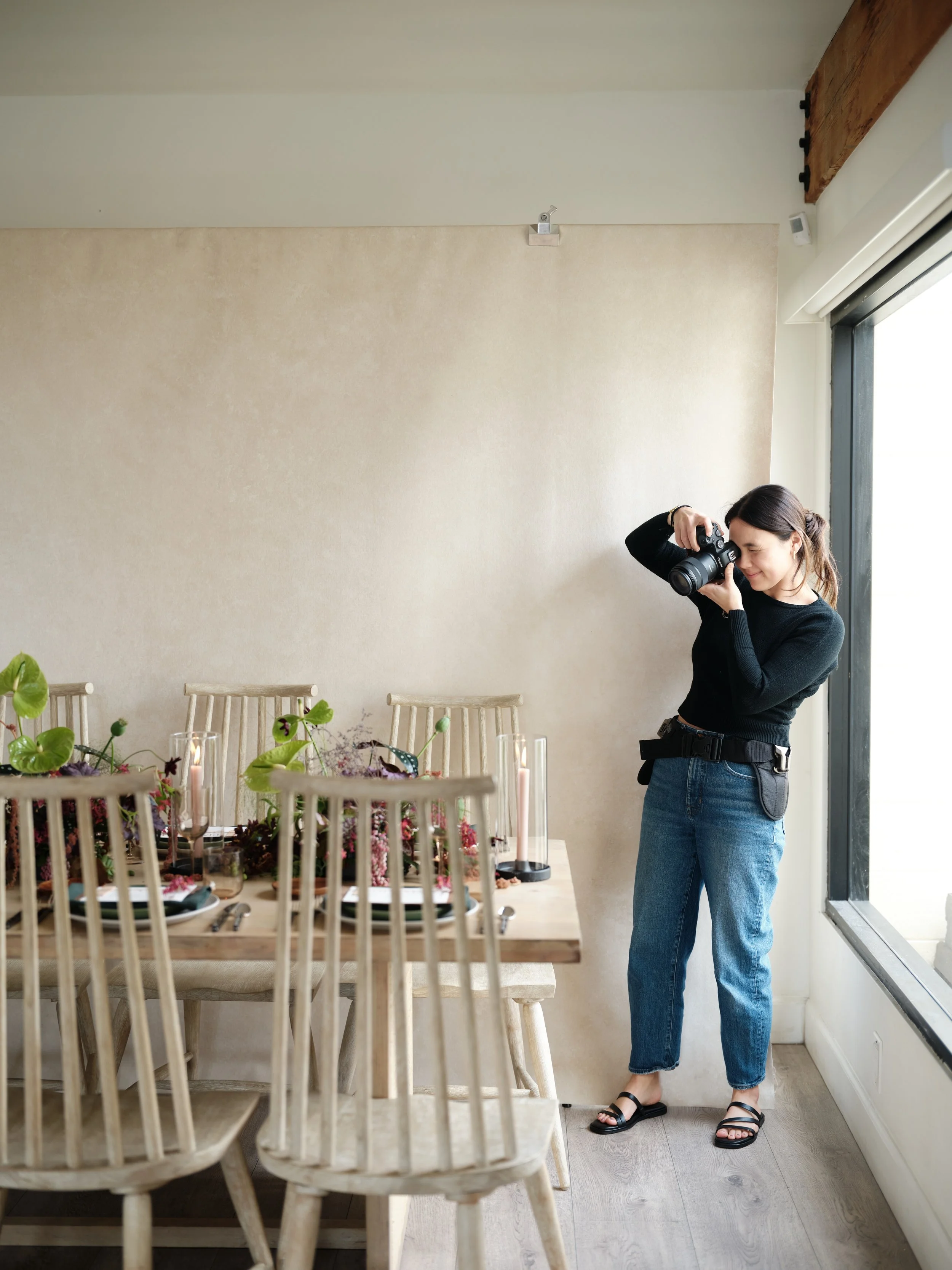
BENTONITE is the backdrop I recommend most to portrait photographers. That warm taupe works for corporate headshots on Monday, family portraits on Tuesday, and everything in between. One backdrop that actually does it all.
Family Portrait Photography: Handling Groups and Chaos
Family sessions introduce challenges that individual portraits don't. Multiple people means more bodies to fit in frame. Kids means unpredictability. Extended family means a range of ages, sizes, and skin tones in a single image.
What works: Larger backdrops that give you room to compose without fighting edge creep. Neutral colors that work across the skin tone variations within a single family. Texture that adds interest without creating visual chaos when you already have six people in frame.
What doesn't work: Small backdrops that require you to bunch everyone together unnaturally. Bold colors that clash with someone's outfit (there's always one kid in a bright red shirt that mom forgot to coordinate). Stark, cold backgrounds that make family photos feel like police lineups.
For family work, I'd start with an 8x10 minimum. If you regularly photograph extended families or want full-length options, the 8x14 size in something like LIMESTONE gives you room to breathe.
The chaos factor: Kids don't stand still. They wander. They spin. They decide the backdrop is more interesting than looking at the camera. A larger backdrop means you're not constantly repositioning everyone when a toddler drifts six inches to the left.
Newborn Photography: Softness Above All
Newborn work is its own world. The subjects are tiny, fragile, and asleep (if you're lucky). The aesthetic skews soft, warm, and organic. Parents want images that feel tender, not clinical.
What works: Soft, warm neutrals that create a cocoon-like feeling. Gentle texture that reads as organic and natural. Colors that complement the pink undertones common in newborn skin without emphasizing any redness or blotchiness.
What doesn't work: Cool greys that make the baby look cold or unwell. Heavy texture that overwhelms a 7-pound subject. Dark, moody tones that feel inappropriate for new life. Anything too saturated that pulls attention from the baby.
The ideal newborn backdrop is warm enough to complement delicate skin, neutral enough to work with any nursery color scheme (parents care about this), and soft enough to feel like a gentle embrace rather than a photography studio.
SANDSTONE hits this balance. The peachy-brown warmth is incredibly flattering to newborn skin, and the organic texture feels appropriate for the softness of the subject.
Size consideration: Newborns are small. A 5x8 is often plenty, especially if you're shooting on the floor or a posing table rather than standing portraits. Save the investment on a larger size for work that actually needs it.
Senior Portrait Photography: Range and Personality
High school seniors want images that reflect their personality. The athlete wants something different than the theater kid. The valedictorian has different aesthetic preferences than the rebel.
This means you either need multiple backdrops or you need backdrops versatile enough to work across personality types.
What works: A neutral that handles the traditional portraits parents want, plus something with more personality for the edgier shots seniors want. Texture that photographs differently depending on how you light it, giving you versatility from a single backdrop.
What doesn't work: Only having one look. Seniors (and their parents) are paying for variety. If every image looks like it was shot in the same environment, you've under-delivered.
My recommendation for senior photographers: start with a warm neutral like LIMESTONE for the classic shots that make parents happy, then add something moodier like SILT or UMBER for the dramatic portraits seniors actually want to post.
The social media factor: Seniors choose photographers partly based on what they see on Instagram. Your backdrop game directly affects whether they book you or the photographer down the street whose work looks more interesting.
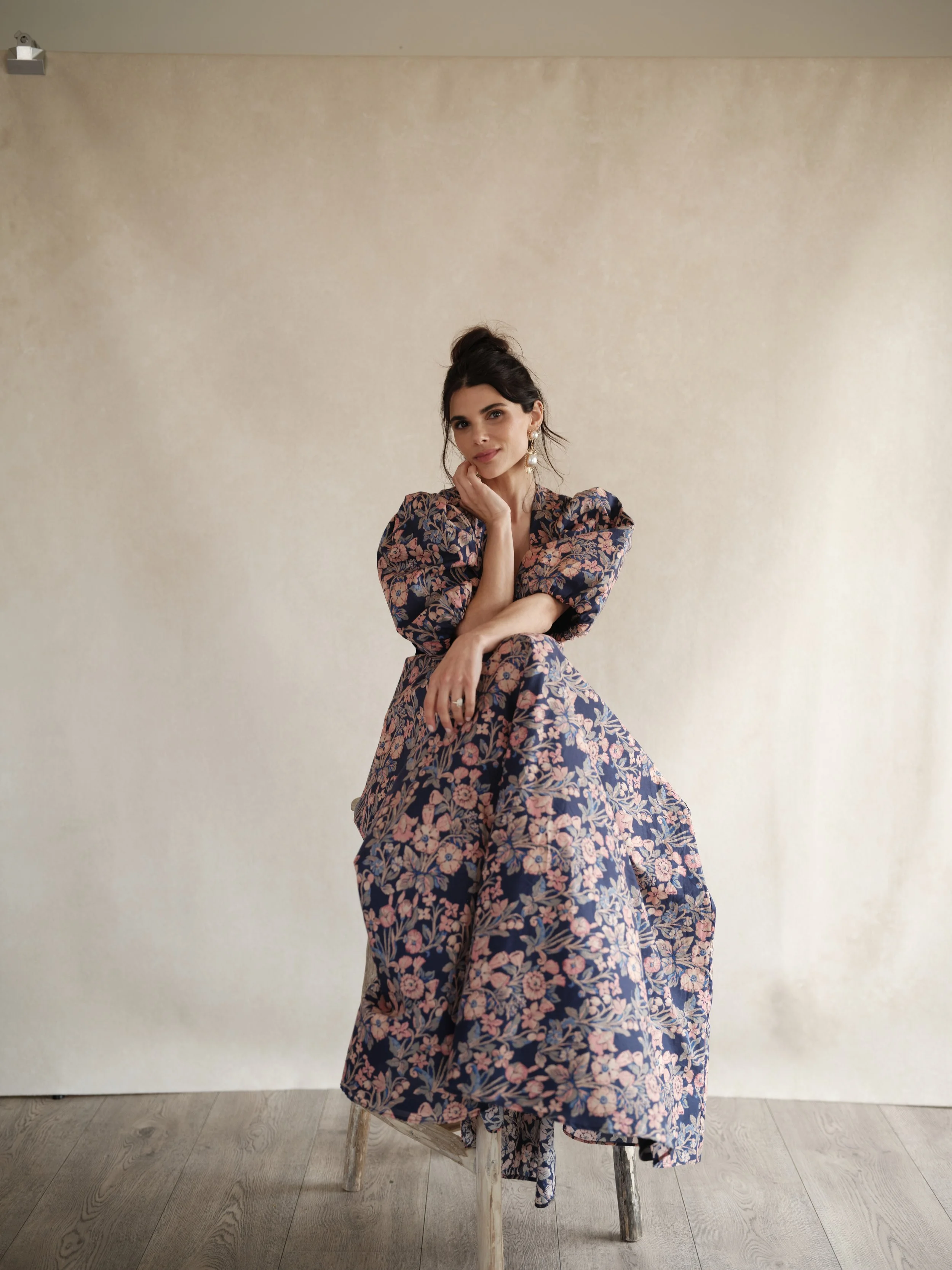
You can suggest neutral clothing for portrait sessions, but clients don't always listen. That's why your backdrop needs to work with anything. This neutral canvas doesn't compete with busy patterns; it lets the subject shine.
Boudoir Photography: Mood and Intimacy
Boudoir work lives and dies on atmosphere. The images need to feel intimate, sensual, and intentional. A boring backdrop kills the mood faster than bad lighting.
What works: Rich, warm tones that create a sense of intimacy. Texture that feels luxurious and intentional. Colors that flatter skin and lingerie without competing. Enough depth to create drama without overwhelming the subject.
What doesn't work: Clinical, sterile backgrounds that make intimate portraits feel like medical documentation. Cool tones that make skin look unflattering. Texture so heavy it distracts from the subject. Anything that reads as "photography studio" rather than "intentional environment."
Boudoir is where I'd push beyond safe neutrals. CLAY brings warmth and sensuality that a standard grey never will. SERPENTINE, that deep moss green, creates moody intimacy that feels like a secret.
The empowerment factor: Boudoir clients are often nervous. They're being vulnerable. Your environment either makes them feel safe and beautiful or makes them feel like they're standing in a warehouse. The backdrop is part of the emotional experience, not just the visual one.
Corporate and Commercial Photography: Versatility Meets Professionalism
Corporate work spans everything from CEO headshots to team photos to LinkedIn profile updates for 50 employees in one afternoon. You need efficiency without sacrificing professionalism.
What works: Neutrals that read as professional across industries. Backdrops that set up fast and require minimal maintenance between subjects. Colors that don't date quickly (that trendy millennial pink might feel stale in two years). Enough texture to avoid looking cheap, but not so much personality that it conflicts with corporate brand guidelines.
What doesn't work: Anything too creative for conservative industries. Backdrops that require extensive setup between each person (you don't have time). Colors that limit wardrobe options when you can't control what 50 employees wear. Wrinkle-prone materials that look progressively worse as the day goes on.
For high-volume corporate work, BENTONITE is hard to beat. Professional enough for law firms, creative enough for tech companies, neutral enough that wardrobe doesn't matter. It looks the same at headshot number 47 as it did at headshot number 1.
The efficiency factor: When you're shooting dozens of headshots in a day, every minute matters. Canvas backdrops that set up clean and stay clean throughout the day are worth their weight in gold compared to muslin you're re-steaming between sessions.
Building Your Portrait Backdrop Collection
The wedding photographer approach is to build toward a signature aesthetic. The portrait photographer approach is to build toward coverage.
Your first backdrop should handle the largest segment of your business. For most portrait photographers, that's a warm neutral in a versatile size. Something that works for headshots, families, and seniors without requiring a second thought.
Your second backdrop should fill the biggest gap. If you're booking boudoir clients but shooting them on the same neutral you use for corporate headshots, you need something with more mood. If you're booking seniors who want edgy options, you need something darker.
Your third backdrop is where specialization starts. This is the color that attracts your ideal clients, that shows up prominently in your portfolio, that becomes part of your recognizable style.
Most portrait photographers can cover 90% of their work with two or three well-chosen backdrops. The key is choosing strategically rather than accumulating randomly.
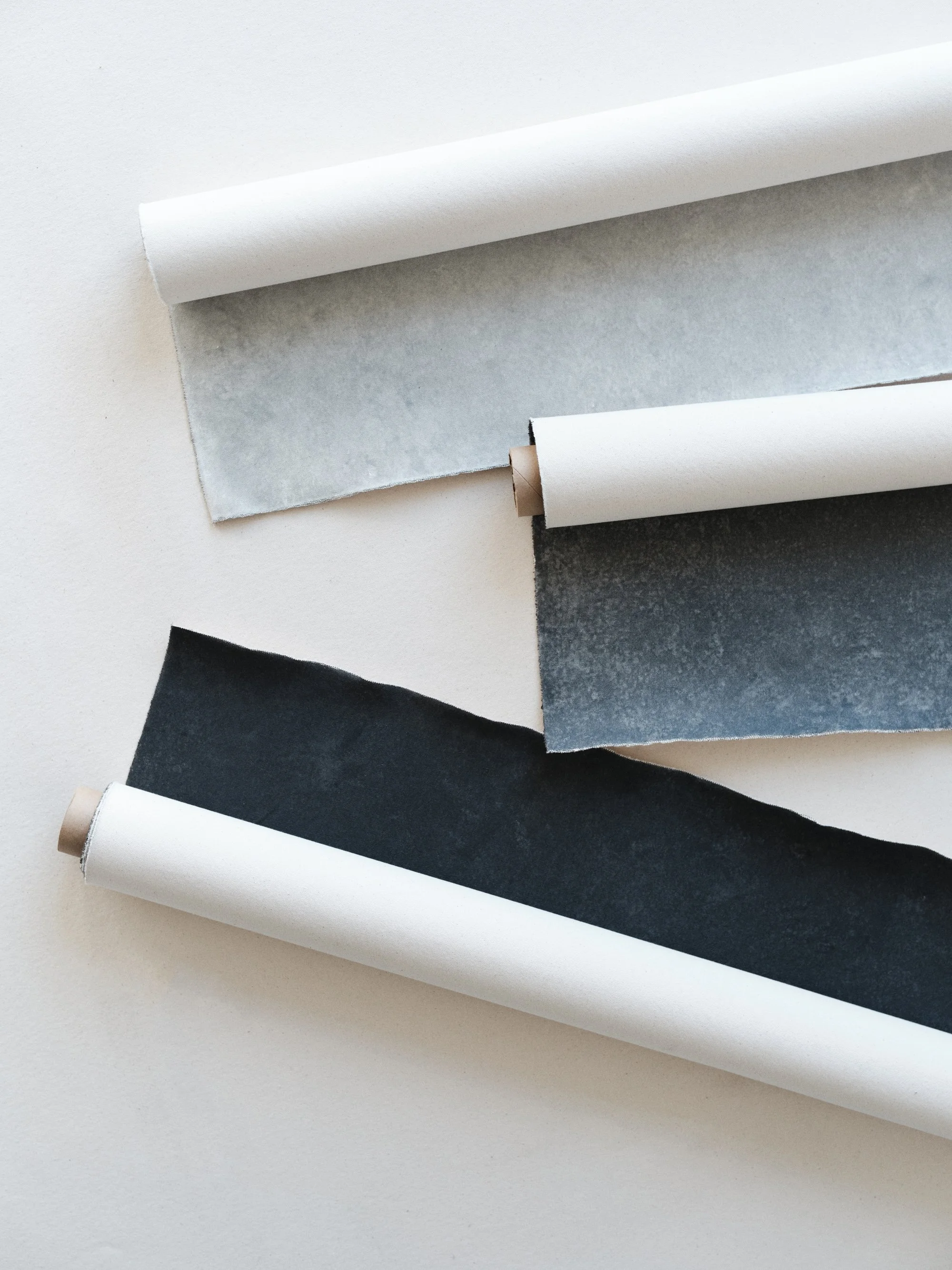
One neutral for parents. One moody backdrop for seniors. Strategic collection building that books more sessions.
The Versatility Test
Before buying any backdrop, run it through the versatility test for your specific business:
Does it work with all skin tones? You don't control who books you. A backdrop that only flatters certain skin tones limits your client base.
Does it work with most wardrobe choices? You can suggest clothing, but clients don't always listen. Your backdrop needs to handle the inevitable red sweater or busy pattern.
Does it work in both natural and artificial light? Unless you only shoot one way, your backdrop needs to perform in different lighting conditions.
Does it suit multiple session types? If you shoot headshots AND family portraits, can this backdrop serve both? Or do you need dedicated surfaces for each?
Will it still work in three years? Trends fade. Classic colors don't. Invest in staying power.
If a backdrop passes all five questions, it's a smart investment. If it fails more than one, think carefully about whether the specialized use justifies the cost.
What Size for What Work
5x8: Headshots, newborns, individual portraits, tight crops. Adequate for most single-subject portrait work. Easier to transport if you shoot on location.
8x10: Full-length individuals, couples, small families. The versatile middle ground for portrait photographers who shoot variety. Handles most situations without feeling cramped.
8x14: Large families, group corporate photos, full-length with movement, extended family sessions. Worth the investment if groups are a regular part of your business.
Don't overbuy size. A 5x8 that gets used constantly serves you better than an 8x14 gathering dust because it's too heavy to set up for routine sessions.
The Portrait Photographer's Starting Kit
If I were building a portrait photography business from scratch with no existing backdrops, here's where I'd start:
First purchase: LIMESTONE or BENTONITE in 8x10. Warm neutral that handles families, seniors, headshots, and most portrait scenarios. This is your workhorse.
Second purchase (after 20-30 sessions): Based on what you wish you had. Shooting lots of boudoir? Add CLAY. Need more drama for seniors? Add SILT. Doing newborn work? Maybe a 5x8 in SANDSTONE.
Third purchase (after 50+ sessions): Now you know your business. You know what books, what clients ask for, what gaps exist in your portfolio. Fill those gaps intentionally.
This approach builds a collection that serves your actual business rather than a hypothetical one.
You're Not a Wedding Photographer. That's Fine.
The backdrop principles that work for weddings work for portraits. Light still interacts with texture the same way. Quality still photographs better than cheap alternatives. Strategic color choices still matter.
But your business has different rhythms, different needs, different opportunities. You're not shooting one 8-hour day. You're shooting dozens of varied sessions. Your backdrops need to serve that reality.
Build for versatility. Buy based on actual gaps in your current work. Let your collection grow with your business rather than ahead of it.
Explore our full collection of hand-painted canvas backdrops at chasingstone.com/shop-all. Everything I make works for portrait photography. Because despite what Instagram suggests, not everything is about weddings.
Related Reading
Creators of premium photography backdrops and styling surfaces
Trusted by thousands of discerning creatives worldwide
Every piece is handcrafted with intention in Orange County, California