
You Asked, We Answered: Your Top 20 Backdrop Questions
Posted on Feb. 12, 2026
My inbox is a goldmine of backdrop questions.
Some come before purchase. Some come after. Some come from photographers who've been shooting on our backdrops for years and suddenly wonder about something they never thought to ask.
I answer these individually, but I realized I'm typing the same answers over and over. So here they are: the twenty questions I get asked most often, answered once and for all.
Bookmark this. Send it to photographer friends. Reference it at 2am when you're wondering if you can steam your backdrop and don't want to wait for a reply.
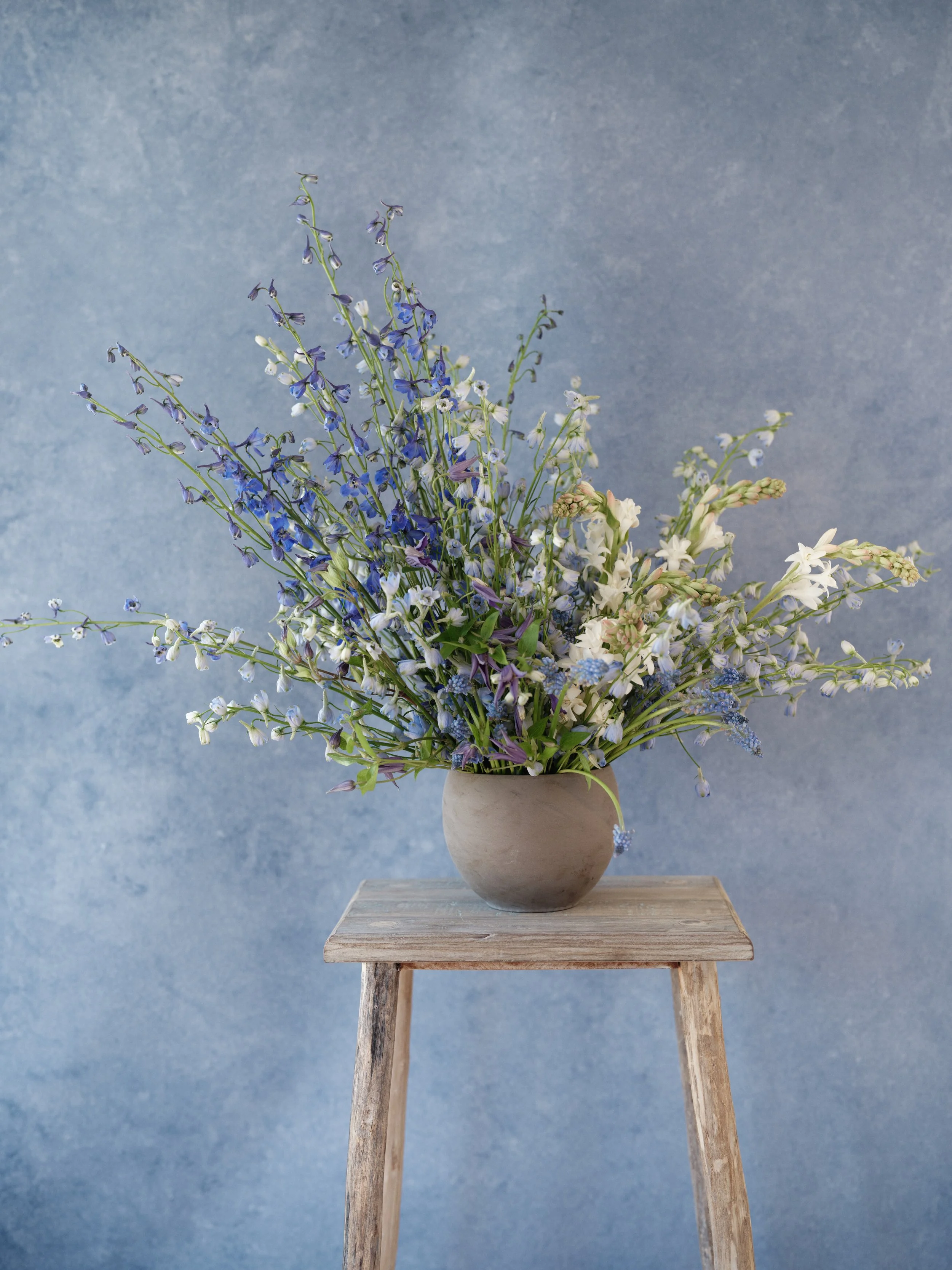
Before you email us at 2am wondering if you ordered the right size or how to store your backdrop, read this. These are the exact questions sitting in your inbox right now, answered.
Before You Buy
1. What size should I get?
This is the question I get more than any other, and the answer depends entirely on what you're shooting.
5x8 works for headshots, newborns, and tight portraits where you're cropping above the waist. It's also the best choice if portability matters more than coverage.
8x10 handles full-length individuals and couples with room to breathe. This is the most versatile size and what I recommend for photographers who shoot variety.
8x14 is for groups, bridal parties, or anyone tired of asking subjects to squeeze together so they don't fall off the edge of the frame.
When in doubt, go bigger. You can always crop in. You can't crop out backdrop edges that aren't there.
2. The color looks different on my screen. What does it actually look like?
Every screen displays color differently. Your phone, your laptop, your desktop monitor, and your client's phone are all showing you slightly different versions of the same image.
Our product photos are shot in consistent lighting and edited for accuracy, but they're still photographs of paint viewed on screens. There will always be some variation between what you see online and what arrives.
If you're on the fence between two similar colors, email us. We can often provide additional photos in different lighting or give you context about how the colors compare in person.
3. How do I choose between two similar colors?
Think about your typical shooting conditions and client base.
Warmer undertones (SANDSTONE vs LIMESTONE, for example) flatter warm skin tones and feel more inviting. Cooler undertones feel more modern and editorial.
Lighter colors work better in darker spaces because they reflect more light. Darker colors work better in bright spaces where you want to control contrast.
If you truly can't decide, pick the more neutral option. It'll be more versatile, and you can always add the more specific color later.
4. Will the backdrop match my existing studio colors?
Honestly, maybe not perfectly. Hand-painted backdrops have natural variation that's intentional. If you need something to match precisely with existing decor or other backdrops, that's not really what these are designed for.
That said, most backdrops in the same color family work well together in a studio even if they're not identical. Warm neutrals complement each other. Cool tones complement each other. The variation adds visual interest rather than clashing.
5. How long until my order ships?
Canvas backdrops ship within 5-7 business days. We paint to order, so your backdrop doesn't exist until you order it. That lead time is the painting.
Flat lay surfaces ship within 1-2 business days.
Fabric flat lays ship within 1-2 business days.
Once shipped, transit time depends on your location. Domestic orders typically arrive within 3-7 business days. International orders vary widely depending on customs.
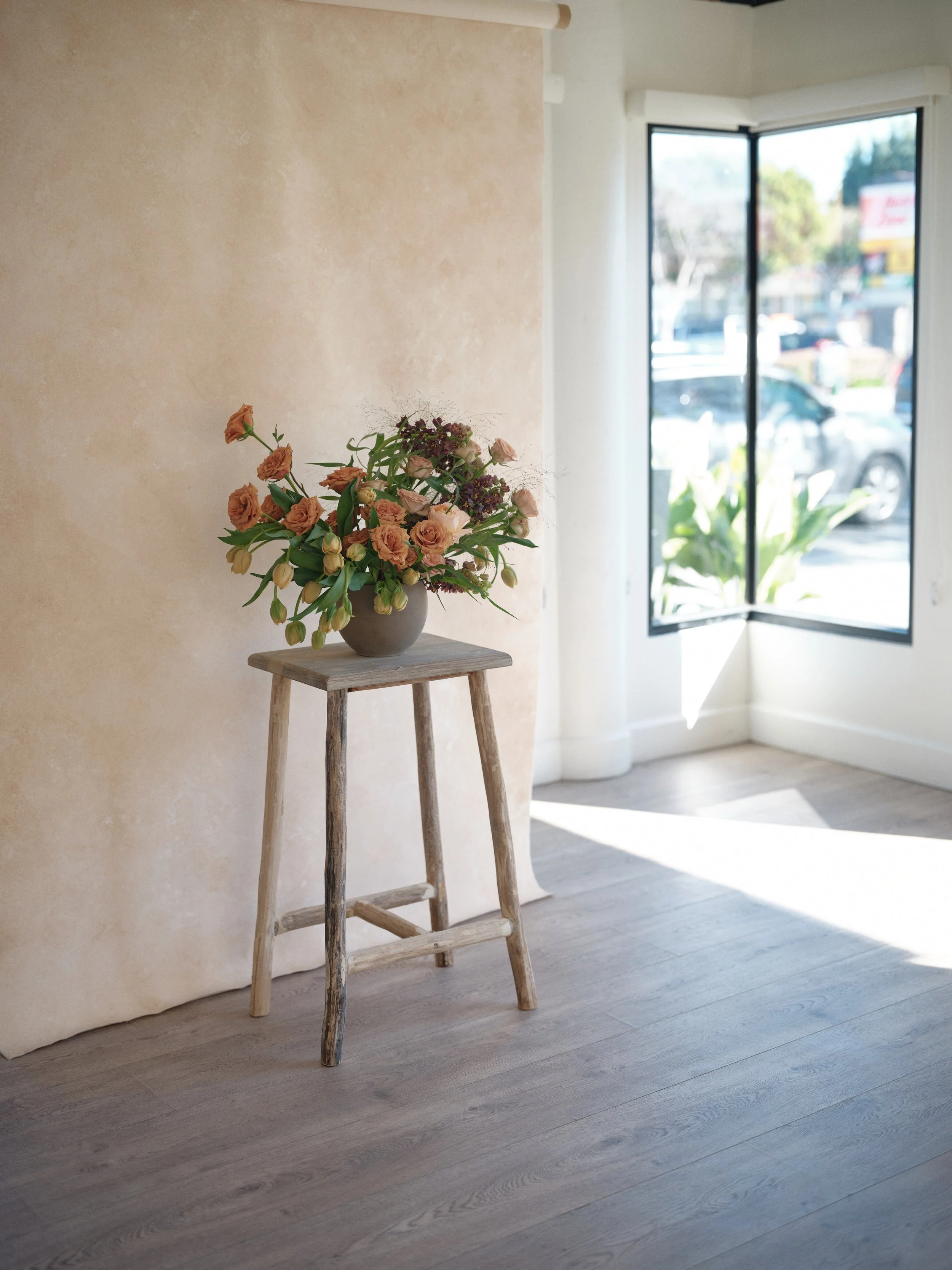
Still wondering which backdrop color works best with natural light? This is what warm neutrals do in window light. All 20 of your backdrop questions answered here.
After It Arrives
6. My backdrop arrived wrinkled. Is it ruined?
No. Shipping wrinkles are normal and temporary.
Hang your backdrop and let gravity do the work. Most wrinkles relax within 30-60 minutes. For stubborn wrinkles, steam from the back side, keeping the steamer 6 inches away from the fabric.
Never iron directly on the painted surface. The heat can damage paint. If you must use an iron, use the lowest setting, iron from the back only, and place a pressing cloth between the iron and canvas.
7. Can I put it in the dryer to get wrinkles out?
Please don't. The tumbling can damage the paint, and the heat isn't good for the canvas. Hanging and steaming are the only wrinkle removal methods I recommend.
8. It smells like paint. Is that normal?
Yes. These are hand-painted with real paint. Fresh backdrops may have a mild paint smell that dissipates within a few days of unrolling.
If the smell bothers you, unroll the backdrop and let it air out in a well-ventilated space for 24-48 hours before shooting on it. The smell has no effect on the backdrop's appearance or longevity.
9. Should I wash it before using?
No. There's no need to wash a hand-painted canvas backdrop, and washing could damage the paint. Just unroll, hang, let any wrinkles relax, and shoot.
10. How do I store it when I'm not using it?
Always roll, never fold. Folding creates creases that are nearly impossible to remove completely.
Roll the backdrop paint-side out around a cardboard tube if you have one. This keeps the painted surface on the outside of the curve, reducing stress on the paint layer.
Store rolled backdrops standing upright or hanging horizontally. Don't lay them flat for extended periods, which can create flat spots.
Keep them in a climate-controlled space. Extreme humidity can cause mildew. Extreme dryness can cause paint to become brittle over time.
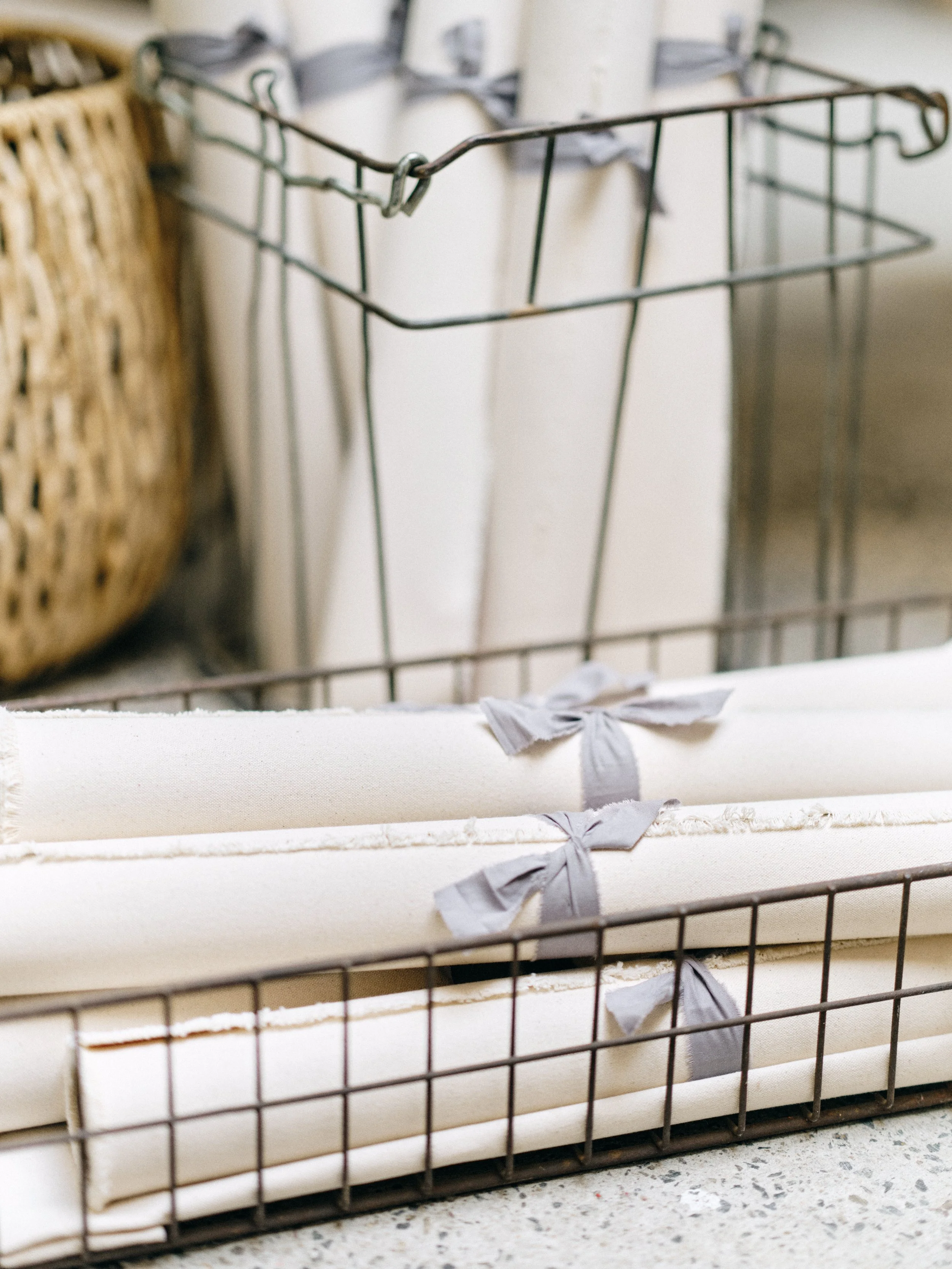
The storage question comes up constantly. We've seen what happens when photographers fold instead of roll. Everything you need to know about backdrop care is right here.
Care and Maintenance
11. How do I clean it?
For dust and loose debris, use a soft brush or lint roller before shooting. This takes 30 seconds and prevents particles from showing in your images.
For light scuffs, try wiping gently with a soft, slightly damp cloth. Work in the direction of the canvas weave, not against it.
For more serious stains, spot-clean with mild soap and water. Test in an inconspicuous corner first. Avoid harsh chemicals, bleach, or abrasive cleaners.
For detailed care instructions, see our full care guide: How to Clean and Care for Hand-Painted Canvas Backdrops.
12. My backdrop got stepped on/stained/damaged. Can it be fixed?
Minor scuffs and marks often blend into the texture and become invisible once hung and lit properly. What looks terrible up close may not show in photographs at all.
For significant damage, contact us with photos. Depending on the damage, we may be able to offer guidance on repair or touch-up. Severe damage may not be fixable, but it's worth asking.
13. How long will it last?
With proper care, hand-painted canvas backdrops last 10+ years of professional use. I have photographers still shooting on backdrops I painted in 2019.
The paint doesn't crack or peel under normal use. The canvas doesn't degrade. What damages backdrops is improper storage (folding), improper cleaning (harsh chemicals), or physical abuse (punctures, tears).
14. Can I paint over it or modify it?
Technically yes, but I wouldn't recommend it unless you're comfortable with painting and willing to accept unpredictable results. The existing paint affects how new paint adheres and dries. The color you apply may not look like the color you expect once it interacts with what's underneath.
If you want a different color, you're better off buying a different backdrop than trying to repaint an existing one.
Using Your Backdrop
15. How far should my subject stand from the backdrop?
The short answer: 3-6 feet for most situations.
Minimum 3 feet prevents your subject from casting shadows onto the backdrop and allows for natural separation.
4-6 feet is the sweet spot. Clean separation, visible backdrop texture, no shadow issues.
6-8+ feet creates maximum background blur if you're shooting wide open. The backdrop becomes a soft wash of color rather than a defined surface.
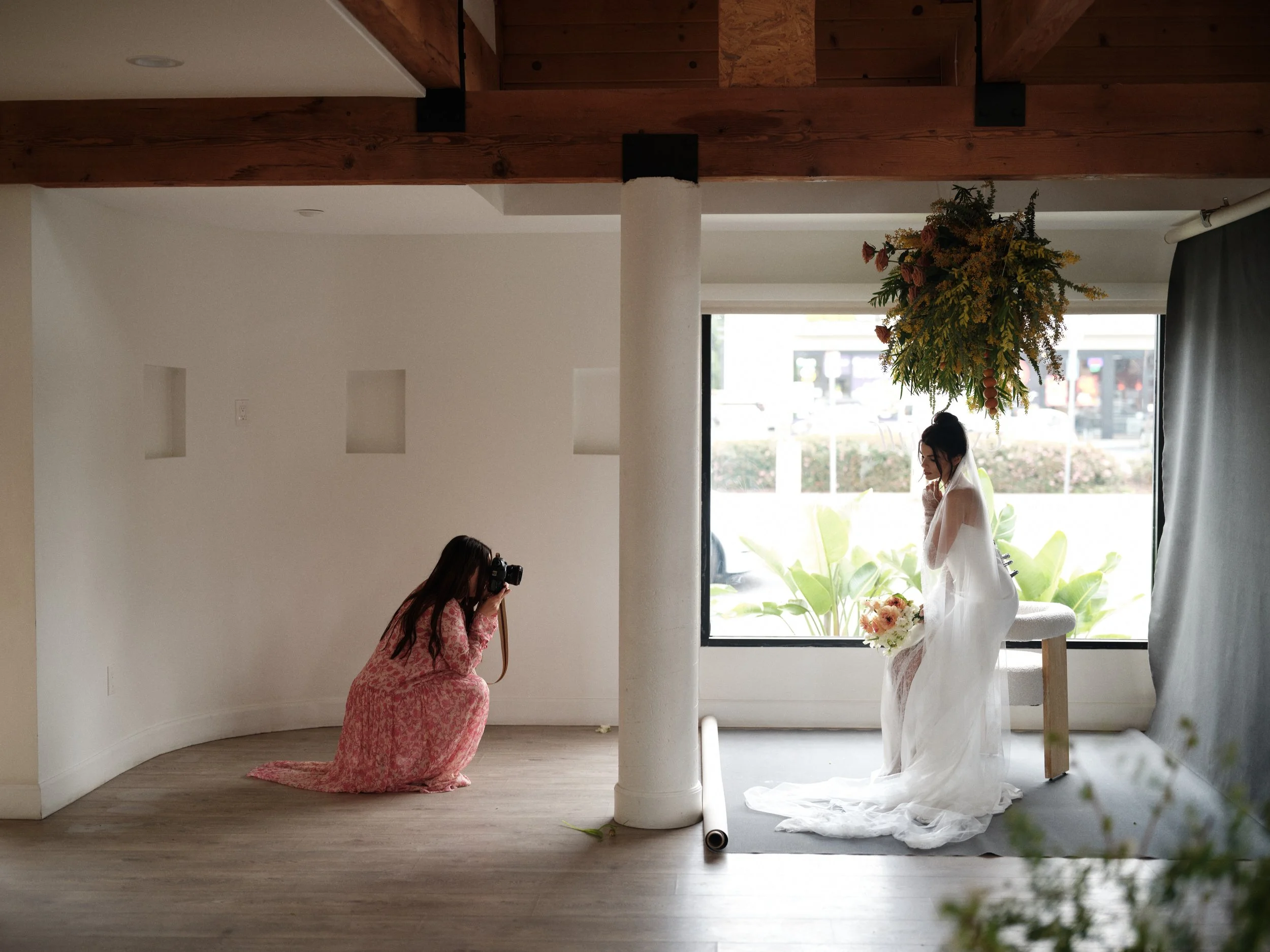
Before you email us asking 'What size do I need for full-length shots?' or 'How far should my subject stand from the backdrop?' Scroll down. Questions 1 and 15 have you covered.
16. How do I get the backdrop to show more/less texture?
Texture visibility is controlled by lighting angle and subject distance.
More texture: Light the backdrop at an angle (not straight-on). Position lights to rake across the surface. Keep subject closer so the backdrop is more in focus.
Less texture: Light the backdrop more evenly. Move subject further away and shoot with wider aperture. The backdrop will blur and texture becomes less distinct.
17. My backdrop looks different in photos than in person. Why?
Because photography is light, and light changes everything.
The color temperature of your light source affects backdrop color. Warm light makes colors warmer. Cool light makes colors cooler. A neutral grey backdrop can look warm or cool depending on your lighting.
The angle of light affects texture visibility. Side lighting reveals texture. Front lighting flattens it.
Your camera settings affect exposure and color. White balance, exposure compensation, and your editing choices all influence how the backdrop renders in final images.
This isn't a problem. It's an opportunity. The same backdrop gives you different looks depending on how you light and shoot it.
18. Can I use it outdoors?
Yes, with caution.
Canvas backdrops handle outdoor use fine, but wind is your enemy. A backdrop acts like a sail. Any breeze will catch it and cause movement, or worse, topple your stand system.
If you're shooting outdoors, choose calm days, use heavy-duty stands weighted with sandbags, and have an assistant ready to stabilize if needed.
Keep the backdrop away from sprinklers, wet grass, and dirt. Clean any outdoor debris before rolling up.
19. Can I hang it permanently on my studio wall?
Yes. Many photographers mount their most-used backdrop permanently.
Use grommets at the top edge (we can add these if you request at purchase) and hang from hooks or a rod. Make sure your wall mounts are rated for the weight (8x10 canvas backdrops weigh 20-25 pounds).
Avoid direct sunlight hitting the backdrop for extended periods. UV exposure can fade colors over time.
20. Something went wrong. Who do I contact?
Email us directly at the address on our website. Include photos of the issue if applicable.
We stand behind everything we make. If your backdrop arrives damaged, if there's a quality issue, or if something's just not right, we want to know about it and make it right.
Response time is typically within 24-48 hours. We're a small team and we actually read every email.
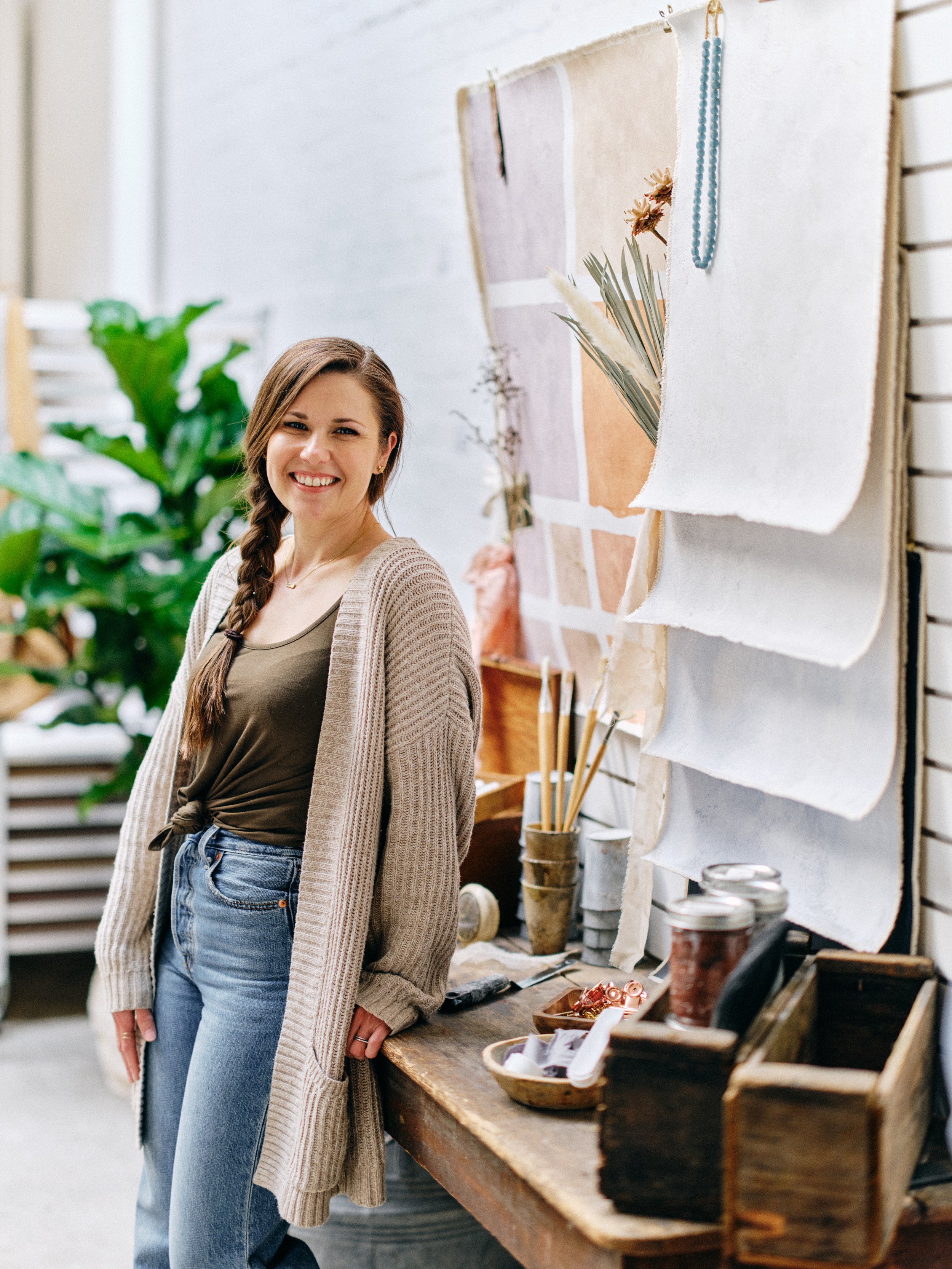
Behind every backdrop question is a photographer trying to make the right choice. I get it. I paint these by hand and want you to know exactly what you're getting. All 20 answers in this blog.
Still Have Questions?
This covers the top 20, but questions I've never heard before show up in my inbox regularly. That's fine. I'd rather answer your specific question than have you guess wrong.
Email us. We'll respond.
And if your question is good enough, maybe it'll make the list next time we update this post.
Related Reading
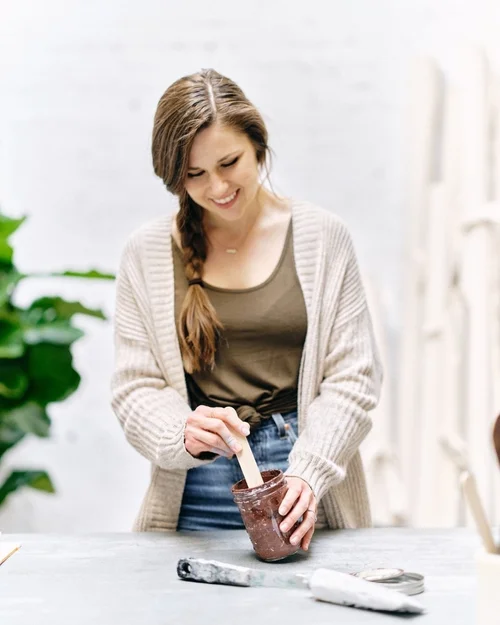
Creators of premium photography backdrops and styling surfaces
Trusted by thousands of discerning creatives worldwide
Every piece is handcrafted with intention in Orange County, California