
The Complete Flat Lay Surface Guide for Wedding Photographers
Updated on Apr. 11, 2026
Here's what separates amateur flat lay photography from work that books premium clients: the surface beneath everything else.
Scroll through any top wedding photographer's Instagram and you'll notice their detail shots have a consistent, elevated quality that yours might be missing. It's not their camera. It's not their editing.
It's that they stopped relying on whatever surfaces venues provide and started investing in professional styling surfaces that give them complete creative control.
When you're shooting on hotel bedspreads, rental venue tables, or makeshift backgrounds, you're at the mercy of conditions you can't control. Wrinkles, stains, distracting patterns, or sterile white countertops that scream "budget rental" all undermine the beautiful details you're trying to showcase. Your $5,000-20,000 invitation suite deserves better than a wrinkled duvet cover. Your couple's heirloom rings deserve better than a getting ready room’s coffee table.
Professional styling surfaces aren't about collecting pretty backdrops. They're about eliminating variables, elevating your portfolio, and giving yourself the foundation to create stunning work regardless of venue conditions. Whether you shoot 5 weddings or 50 per year, the right surfaces become as essential as your lenses.
This guide breaks down everything you need to know: hand-painted versus fabric options, strategic color selection, collection-building on a budget, and which surfaces actually earn their keep for working wedding photographers.
What You'll Learn in This Guide
The fundamental differences between hand-painted canvas and fabric flat lay surfaces
How to choose surface sizes that fit your actual shooting needs
Strategic color selection that works across multiple wedding styles
Collection-building strategies that maximize versatility while respecting your budget
Care, maintenance, and longevity expectations for professional surfaces
Real-world portability considerations for traveling wedding photographers
Understanding Material Types: Hand-Painted vs. Fabric Surfaces
The first decision you'll face when building your styling surface collection is choosing between hand-painted canvas surfaces and fabric flat lay mats. Both have distinct advantages, and understanding these differences helps you make the right choice for your work.
Hand-Painted Canvas Surfaces
Hand-painted flat lay surfaces are premium canvas painted entirely by hand by me (Jennifer) at our studio here in Orange County, California. Each surface is a work of art, featuring subtle texture variations and sophisticated color shifts that photograph beautifully, if I do say so myself.
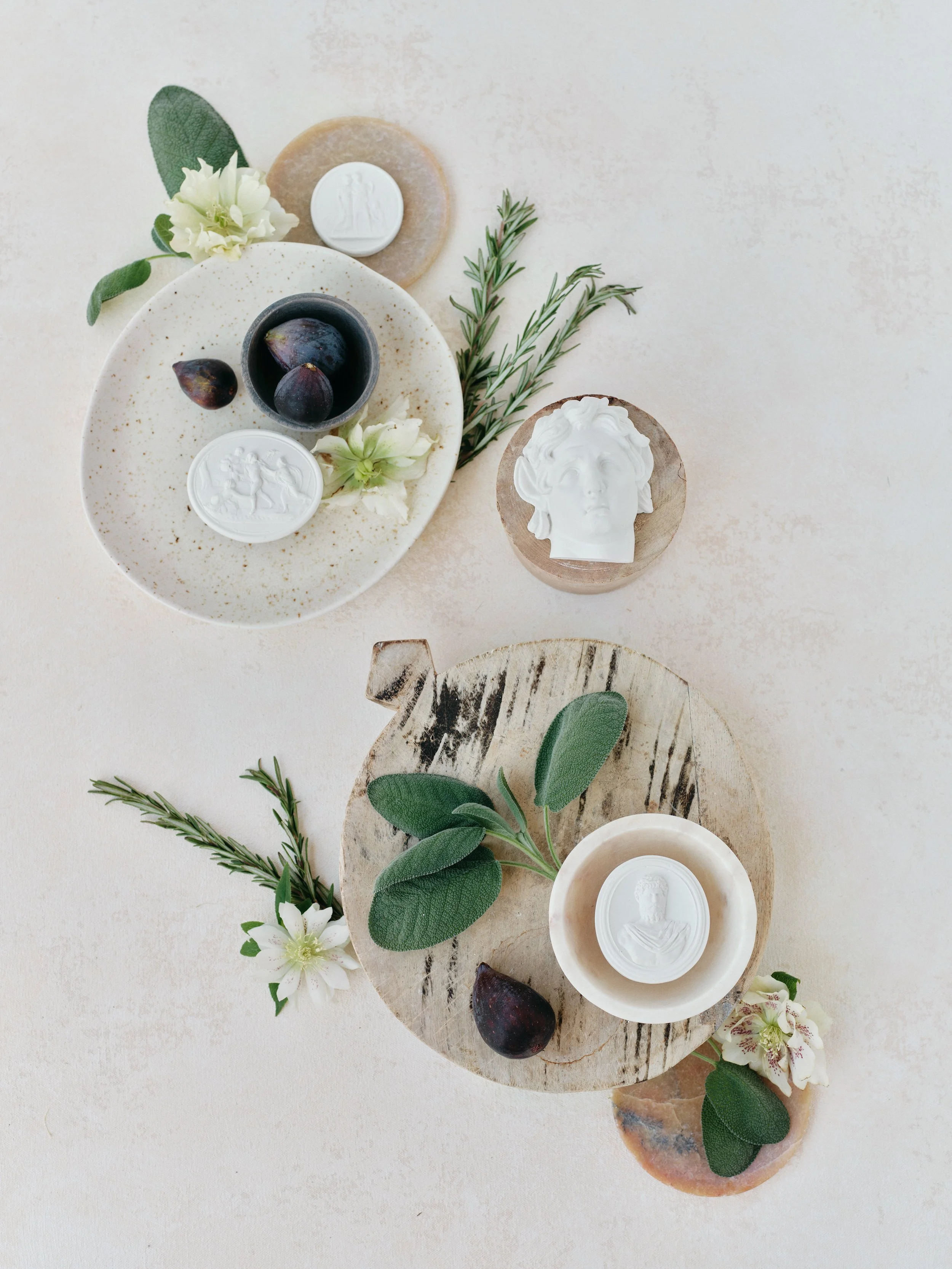
Pictured Flat Lay Surface: MATERA | The painterly brushstrokes in hand-painted surfaces create subtle depth and texture that photographs beautifully. Notice how the organic elements (figs, rosemary, flowers) feel cohesive with the artisanal quality of the surfaces rather than competing with them. These neutral warm tones work across seasons and wedding styles.
What makes them special:
Since every surface is painted by hand, that means no two are exactly identical. This uniqueness gives your flat lays an artisanal quality that feels intentional and elevated. The painterly texture adds depth and dimension without competing with your subjects. When you place a white invitation on a hand-painted cream surface, you get beautiful tonal variation instead of flat, sterile whiteness.
Best for:
Wedding photographers who want that editorial, timeless aesthetic. If you're drawn to soft, romantic imagery or you shoot for high-end publications, hand-painted surfaces deliver the sophisticated look you need. They're particularly beautiful for portfolio pieces, styled shoots, and clients who appreciate artisanal quality.
Care and handling:
Hand-painted surfaces are crafted on premium canvas. They arrive rolled on a cardboard core and should always be stored rolled (never folded) to prevent creasing. Mild creases can be reduced with gentle heat from an iron on the backside of the surface. They're durable and, with proper care, will last through countless weddings. Photographers are still using theirs from when we first launched about 7 years ago!!!
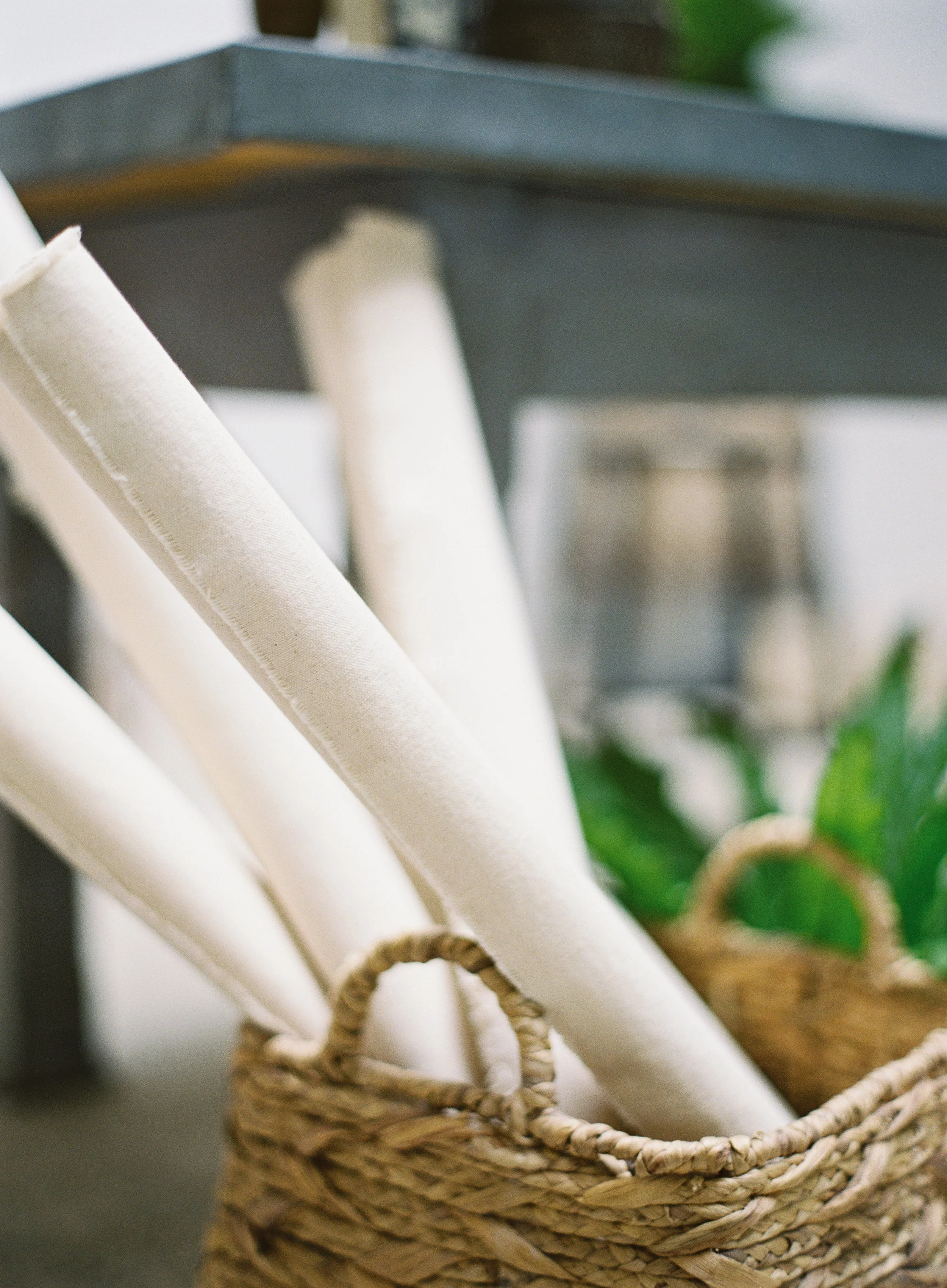
Hand-painted surfaces arrive rolled on cardboard cores in protective tubes. This is exactly how you should store and transport them between weddings. The rigid tubes protect surfaces better than any bag, and three rolled surfaces weigh less than a single prime lens. Never fold or crease your surfaces. Always keep them rolled tightly on the core with the retaining band.
Available sizes:
Hand-painted surfaces come in two sizes: standard 35x28" and petite 26x20". The standard size provides ample space for full invitation suites, multiple styling elements, and layered compositions. As well as full detail scenes with bridal shoes, the boquet, veil you name it, our surfaces can accommodate. The petite size is perfect for focused detail shots like rings and jewelry, smaller invitation suites, or international travel since they easily fit in airplane overhead compartments.
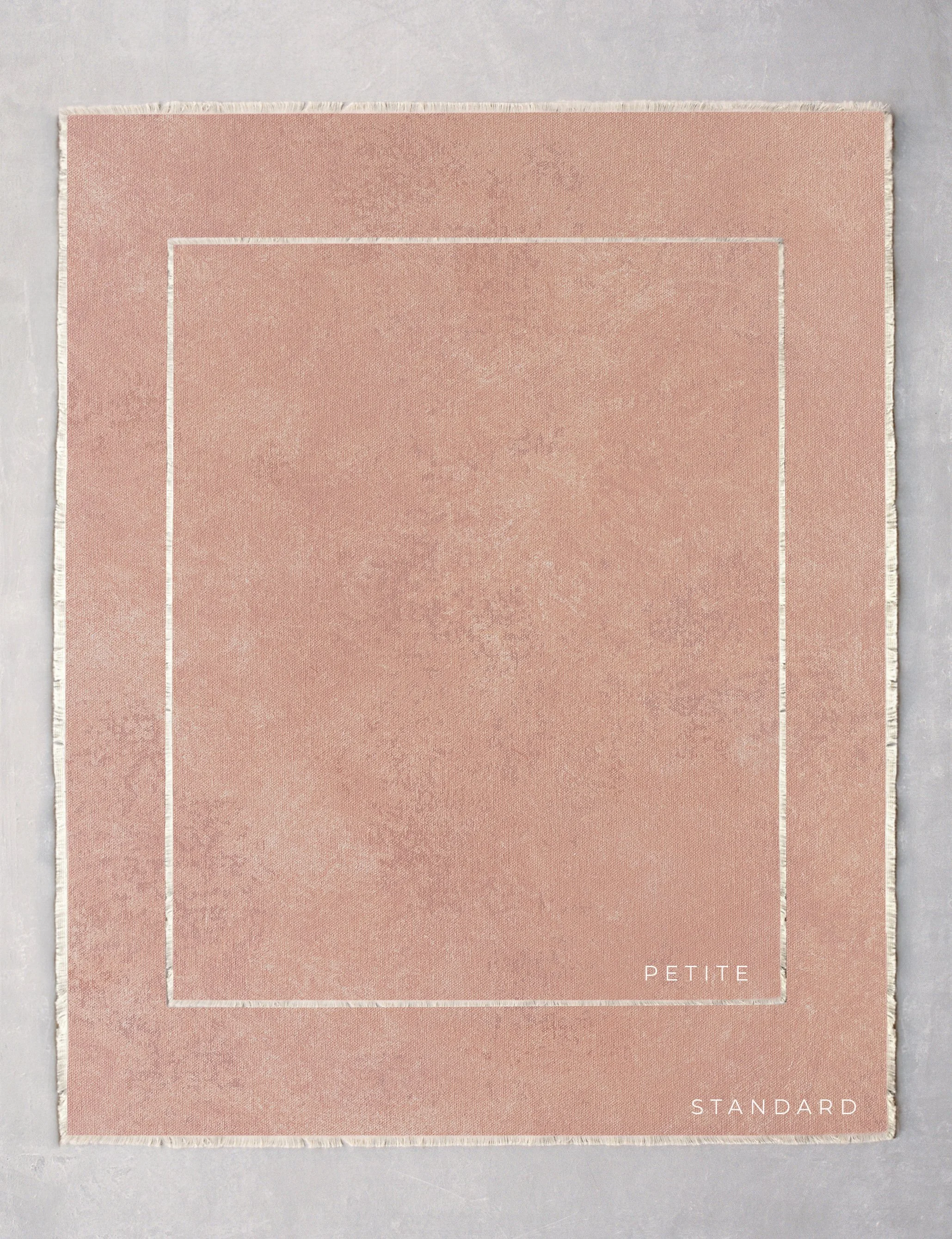
Pictured Flat Lay Surface: SAN MIGUEL | Hand-painted surfaces are available in two sizes: petite 26x20" (perfect for international travel and focused detail shots) and standard 35x28" (ideal for full invitation suites and layered compositions). The petite size fits easily in airplane overhead compartments, while the standard size provides ample working space for most wedding photography needs.
Fabric Flat Lay Mats
Fabric flat lay mats offer a completely different aesthetic from hand-painted surfaces. These stain-resistant fabric mats (measuring approximately 34" x 25.5") deliver a cleaner, more minimalist look that works beautifully for modern, contemporary, and editorial wedding styles.
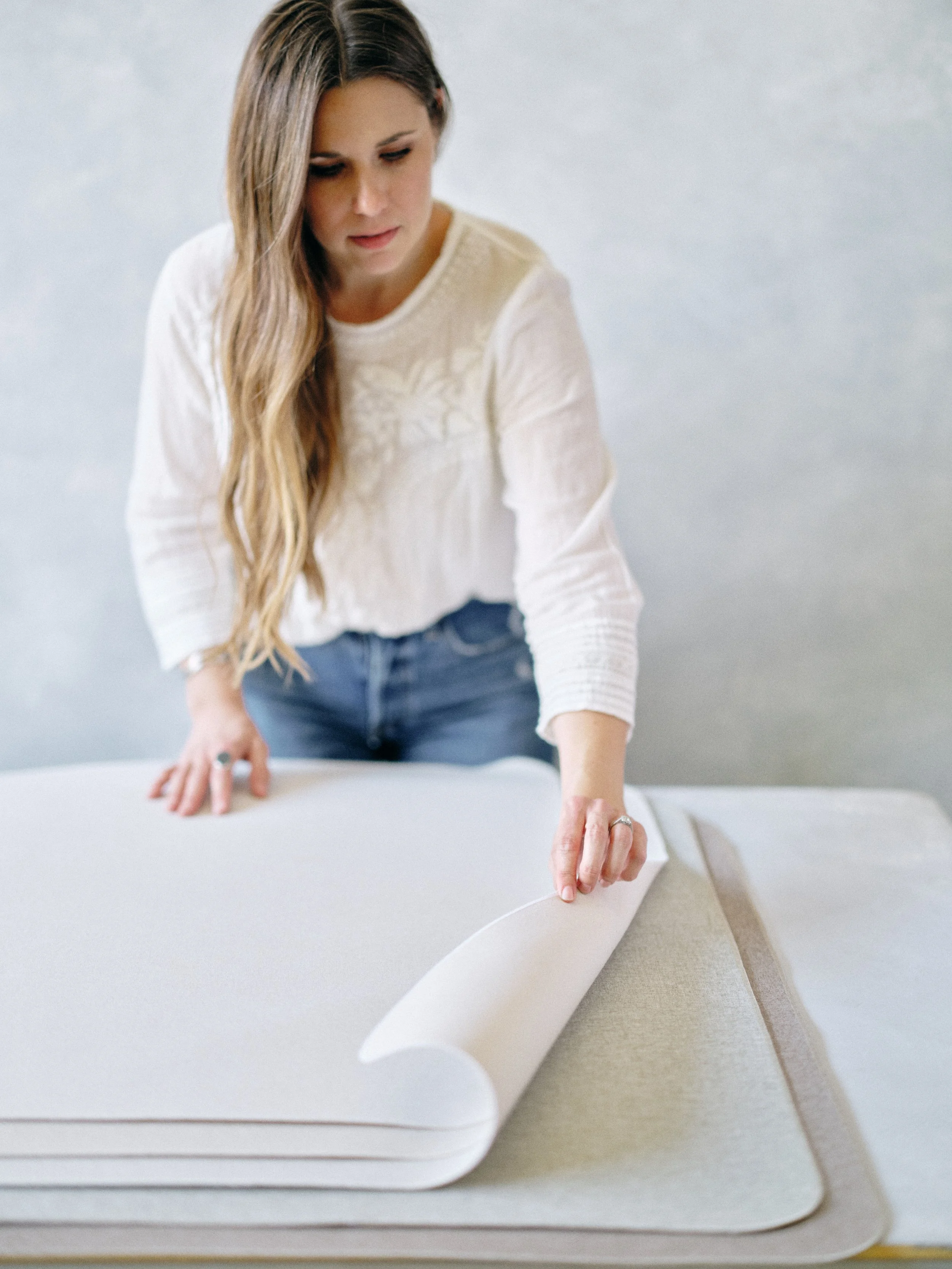
Behind the scenes at our Orange County studio where I (Jennifer) hand-paint each surface. Every surface takes 2-3 days to complete, and no two are exactly identical. This artisan process is why hand-painted surfaces have that unique, elevated quality you can't get from mass-produced alternatives. The time and care invested in each piece ensures they last through hundreds of weddings while maintaining their beauty.
What makes them special:
The face is Greenguard Gold and OEKO-TEX certified vegan wool protected with PFAS and PFOS free stain resistance technology that won't degrade over time. The backside is 100% OEKO-TEX certified organic cotton canvas.
This means when someone inevitably knocks over a water bottle, champagne flute, or coffee cup during your shoot, you don't panic. The liquid beads up instead of soaking in. You simply wipe it away and keep shooting.
You simply wipe it away and keep shooting.
Best for:
Wedding photographers who want aesthetic variety in their portfolio. Different wedding styles and venue locations call for different surface treatments. A garden ceremony might look stunning on hand-painted surfaces, while the modern getting-ready suite at a downtown hotel demands the clean, contemporary aesthetic that fabric mats provide.
Many of our photographers bring both hand-painted and fabric surfaces to the same wedding, alternating between them for different detail compositions during the getting-ready coverage. While you're styling the invitation suite on a hand-painted surface, your second shooter sets up rings and jewelry on a fabric mat. This workflow creates diverse imagery without adding time to your timeline, you're maximizing efficiency while building visual variety into your final gallery.
Fabric mats are also incredible for florists working with fresh flowers and water, or any creative who needs durability without compromising aesthetics.
Care and handling:
Fabric mats are remarkably easy to maintain. They can be ironed as needed and spot cleaned with a damp terry cloth towel. For tougher stains, hydrogen peroxide or rubbing alcohol work well. They arrive rolled on a cardboard core and should be stored rolled with the retaining band. Unlike hand-painted canvas, fabric mats are even more resilient to the rigors of constant travel.
Available textures:
The fabric mats come in two distinct textures. The vegan wool option features subtle tone variation that adds depth without competing with your subjects. The textured velvet option (available in bolder colors) has a unique texture that helps hide fingerprints and smudges from repositioning items during styling.
The Side-by-Side Comparison
Hand-Painted Surfaces:
Artisanal, one-of-a-kind aesthetic
Painterly texture with sophisticated depth
Best for editorial, romantic, timeless looks
Require careful handling to prevent creasing
Premium investment for gallery-worthy imagery
Available in 35x28" standard and 26x20" petite
Fabric Mats:
Revolutionary stain and moisture resistance
Rollable and travel-friendly with no wrinkles
Best for practical, on-location shooting
Easy maintenance and care
Smart investment for working photographers
34" x 25.5" size
The truth? Most successful wedding photographers eventually own both. They're not competing options but complementary tools that serve different needs in your workflow.
For complete guidance on flat lay photography technique and how to actually use these surfaces to create stunning compositions, see our Ultimate Flat Lay Photography Guide.
How Surface Texture Affects Your Images
Texture is the difference between flat lays that look like catalog shots and flat lays that look like art. It's also the detail most photographers overlook until they see their work next to a competitor's and realize something feels off.
Why Texture Matters (And Why Instagram Cares)
When you're shooting flat lays, you're eliminating one dimension. No depth, no perspective, just you, the details, and the surface beneath them. Texture is what tricks the eye into seeing dimension anyway.
Here's a real example: A white invitation on pure white printer paper? The invitation disappears. Same invitation on a hand-painted cream surface with subtle brushstrokes? The texture creates natural framing, the slight variations in tone make the invitation pop, and suddenly you have an image worth posting instead of deleting.
Instagram's algorithm rewards images that keep people looking. Subtle texture creates visual interest that makes viewers pause, which signals to Instagram that your content is engaging, which means more reach. Smooth, flat backgrounds don't hold attention. Textured surfaces do.
Hand-Painted Texture: When Simple Details Need Depth
The texture in hand-painted surfaces comes from my (Jennifer's) brushstrokes. Every stroke creates gentle variations in color and depth that photograph beautifully when light hits them. It's organic, it's artisanal, and it's truly one-of-a-kind.
Here's when hand-painted texture is your best choice: When wedding details are simple or minimalist, hand-painted surfaces add visual interest to the frame. A clean white invitation with minimal design? The painterly texture creates depth and dimension that makes the composition feel intentional rather than plain. Simple gold bands on a smooth surface feel flat. Those same rings on hand-painted canvas with subtle brushstrokes? Editorial gold.
The texture acts as a visual element in your composition without overwhelming the details. When you place a ring box on a hand-painted surface, the texture variation around it creates natural emphasis. The surface is framing your subject, adding sophistication to simpler styling.
The painterly quality also reads as "expensive" to clients. It signals that you invest in your craft, that you care about details, that you're not just showing up with whatever's convenient. Luxury clients notice these things even if they can't articulate why one photographer's work feels more elevated than another's.
Fabric Texture: When Complex Details Need Clean Space
Fabric mats offer a completely different approach. The vegan wool option has soft, subtle texture with gentle tone variation. Sophisticated enough for high-end work, clean enough to let busy details shine.
Here's when fabric mats are your best choice: When wedding details already have a lot going on. Invitations with intricate letterpress design, bold patterns, or heavy ornamentation don't need competing texture from the surface. Elaborate floral boutonnieres with multiple bloom types and textures photographed on hand-painted surfaces? Too much visual noise. The same boutonnieres on a clean fabric mat? The details can breathe.
Think of fabric mats as giving your complex details room to be the star. When the invitation design is busy, when the wedding styling includes multiple patterns, when there's already visual complexity in what you're photographing, a cleaner surface lets those elements command attention without fighting for space.
The textured velvet option serves a practical purpose too: it hides fingerprints and smudges. When you're repositioning ornate rings for the tenth time trying to get the angle right, your fingerprints are all over that surface. Smooth surfaces show every touch. Textured velvet? Can't see them. Less time cleaning between shots means more time actually shooting.
The decision framework: Simple, minimalist details get hand-painted (adds visual interest). Complex, ornate details get fabric (provides clean space). Many photographers bring both to weddings for exactly this reason.
The Texture Mistake Most Photographers Make
Buying surfaces with too much texture. Busy patterns, aggressive weaves, bold geometric designs. they photograph beautifully on their own but compete with every detail you place on them. Your surface should enhance your subject, not fight it for attention.
The sweet spot is subtle texture that adds visual interest without distraction. Think "I can see there's depth here" not "I'm looking at the background instead of the invitation.
Choosing Colors and Tones for Your Collection
Color selection isn't about personal preference. It's about business strategy. The surface colors you choose determine which weddings you can successfully photograph, which clients find you relatable, and frankly, how your Instagram performs.
Here's what I've learned from working with thousands of photographers: those with varied surface colors get more engagement on social media, book more diverse clients, and build portfolios that don't look repetitive after five weddings. When every detail shot uses the same surface, potential clients notice. It reads as limited, not consistent.
Understanding Color Temperature
Every surface has a color temperature, and this temperature psychologically affects how viewers respond to your images.
Warm-toned surfaces (creams, beiges, terracottas) make viewers feel something. They're cozy, romantic, intimate. These surfaces enhance warm wedding details like blush florals, gold calligraphy, and burgundy velvet. When you photograph fall and winter weddings, warm surfaces don't just look seasonally appropriate, they make your images feel seasonally appropriate. Couples booking November weddings respond to warm tones because it matches their vision.
Cool-toned surfaces (soft grays, blue-grays, whites) signal modern sophistication. They're editorial. They're fresh. They make jewel tones pop and create that clean, minimalist aesthetic that dominates wedding blogs right now. Summer brides planning contemporary celebrations will scroll past warm romantic imagery but stop on cool, bright compositions. Your surface color is literally attracting or repelling specific clients.
Neutral surfaces (true grays, taupes, balanced beiges) are your safety net. When you show up at a wedding and the couple's aesthetic is nothing like you expected, neutrals save you. They work across seasons, across color palettes, across wedding styles. They're not exciting, but they're never wrong.
Color Strategy for Instagram and Portfolio
Instagram's algorithm favors accounts with visual variety. Posting the same surface repeatedly signals repetition to the algorithm, which means lower reach. Three complementary surface colors give you enough variety to keep your feed looking intentional without looking scattered.
Your portfolio needs to show range without looking inconsistent. Warm surfaces for romantic weddings, cool surfaces for modern celebrations, and neutrals that tie everything together. When luxury clients review your work, they're not just evaluating your photography skills. They're asking: "Can this photographer handle our specific aesthetic?" Varied surfaces answer yes.
Matching Surfaces to Client Psychology
Blush and romantic pastels attract couples planning:
Garden ceremonies
Spring and summer weddings
Romantic, timeless celebrations
Use: Soft cream or warm beige surfaces that enhance pastels without washing them out
Jewel tones and bold colors attract couples planning:
Fall and winter weddings
Modern, fashion-forward celebrations
Dramatic, editorial aesthetics
Use: Cooler gray or neutral surfaces that let saturated colors command attention
Earth tones and organic palettes attract couples planning:
Outdoor ceremonies
Sustainable, natural celebrations
Bohemian or rustic aesthetics
Use: Warm terracotta or clay surfaces that feel cohesive with natural elements
Classic black and white attracts couples planning:
Formal, traditional weddings
Timeless, elegant celebrations
Classic ballroom affairs
Use: Soft gray or warm beige that prevents harsh contrast
Metallics (gold, copper, silver) attract couples planning:
Luxury celebrations
Art deco or glam aesthetics
High-end venue weddings
Use: Neutral surfaces that let metallics shine without competing temperatures
The Versatility Test
Before committing to a color, ask yourself: "Can I visualize this surface working for at least three different wedding styles I regularly shoot?" If the answer is no, it might be too specialized for your core collection. Save highly specific colors for when you've established your foundational versatile surfaces.
The goal isn't collecting every color. It's selecting colors that expand your appeal to different client types while maintaining a cohesive brand.
Building Your Collection Strategically
Quality styling surfaces aren't cheap, and as a wedding photographer, you're already juggling equipment costs, marketing expenses, and business overhead. How do you build a collection without breaking the bank?
Start With Purpose, Not Quantity
The biggest mistake photographers make is buying too many surfaces too quickly. Instead of collecting every color available, start strategically. You need versatility, not variety for variety's sake.
Your essential starter collection begins with three complementary surfaces that work across different wedding aesthetics. This gives you flexibility without overwhelming your budget or storage space. The genius of starting with three? You can handle spring garden weddings, fall celebrations, and elegant ballroom affairs with the same small collection.
We offer curated 3-surface hand-painted bundles, 3-surface hand-painted petite bundles, and 3-surface fabric mat bundles where you can choose any three surfaces from each collection. This approach lets you customize exactly what you need rather than being stuck with pre-selected colors that might include tones you'll never use.
The Strategic Three-Surface Formula
Here's exactly how to build your starter collection with three surfaces that actually work together.
Your Neutral Foundation: The Workhorse
Start with a soft white, cream, or warm beige. This surface will get 60% of your use. It's perfect for bright spring weddings, romantic summer celebrations, and any time you want fresh, airy imagery that feels timeless. This is your "I'm not sure what I'm walking into" safety net.
Look for surfaces that photograph 1-2 stops brighter than mid-tone gray. They should complement (not match) white invitation suites, giving you tonal variation instead of everything disappearing into sameness. Warm neutrals work better than cool whites for most wedding palettes, they're forgiving with different lighting conditions and never look sterile or clinical.
Your Rich Tone: The Mood Setter
Add a warm terracotta, deeper beige, or soft gray as your second surface. This handles fall and winter weddings beautifully and gives you depth for moodier, editorial-style work. It's also your answer when the wedding palette includes deeper colors like burgundy, navy, or forest green.
This surface should photograph at least 2 stops darker than your neutral foundation. The contrast between your two surfaces is what creates visual variety in your portfolio. If they're too similar, you've wasted money on redundancy. If they're too different (like stark white and near-black), you'll struggle to find use cases for the extremes.
Your Versatile Mid-Tone: The Bridge
Your third surface should fall somewhere between your first two, creating a gradient across your collection. A gentle gray, soft taupe, or warm neutral gives you options for weddings that aren't quite bright and airy but aren't moody either. This surface gets more use than you'd expect because it works when neither of your other options feels quite right.
Think of this as your "any season, any venue, any time" option. It should be the surface you can pull out without thinking too hard about whether it matches the wedding aesthetic. Neutral enough to be versatile, distinctive enough to not look generic.
Budget Breakdown: Investment vs. Value
Let's talk about money honestly. Quality styling surfaces aren't cheap, and I'm not going to pretend otherwise.
Hand-painted surfaces are premium investments. I (Jennifer) spend 2-3 days painting each surface by hand in our Orange County studio. That labor isn't cheap. But here's the math that matters: one surface lasts 5+ years of professional use. If you shoot 20 weddings annually, that's 100+ weddings per surface. Cost per wedding? Less than the gas you burned driving to the venue.
Think of hand-painted surfaces like your professional lenses. They're not disposable. They appear in your portfolio, on your Instagram, in every styled shoot and client gallery. They directly impact whether a luxury client books you or moves on to the next photographer whose work looks more elevated. One extra wedding booked because your portfolio stands out? Your surfaces just paid for themselves.
Fabric mats are the smartest value play in wedding photography. The spill-proof technology alone is worth the investment. I've watched photographers ruin $200+ hand-painted surfaces with a single champagne spill. Fabric mats? Wipe it off, keep shooting. When you're working in unpredictable venue conditions with beverages everywhere and timelines ticking, that peace of mind is priceless.
Here's what nobody tells you: the cost isn't in buying surfaces. It's in NOT having them. Every time you scramble to find a clean surface at a venue, every time your detail shots look repetitive because you only own one backdrop, every time you second-guess posting to Instagram because your flat lays don't look as polished as your competitors, that's the real cost.
Bundles provide better value than purchasing surfaces individually. Our 3-surface bundles (available in hand-painted standard, hand-painted petite, and fabric options) let you build a complete collection while saving money. You're making a commitment to professional surfaces, and that commitment comes with better pricing. Plus, you're ensuring your surfaces complement each other since you're selecting them as a cohesive set.
The photographers who hesitate on this investment? They're usually the same ones wondering why their work isn't getting featured, why their inquiries aren't converting, why they can't justify raising their prices. The photographers who invest in professional surfaces? They're the ones booking luxury weddings, getting published, and charging what they're worth.
Expanding Your Collection Over Time
Once you have your foundational three surfaces, you can expand strategically based on your actual needs.
Add when you notice gaps: If you're consistently wishing you had a different tone for certain wedding styles, that's your cue to expand. Let your real-world experience guide your purchases rather than trying to anticipate every possible scenario upfront.
Consider specialized additions: As you develop your signature style or niche, you might want surfaces that specifically serve that aesthetic. Shooting primarily romantic, garden-style weddings? A collection of softer, lighter tones makes sense. Drawn to moody, editorial work? Deeper, richer surfaces align with your vision.
Mix materials strategically: Don't feel you need to choose only hand-painted or only fabric. Many photographers build collections that include both, using hand-painted surfaces for editorial portfolio work and styled shoots, while relying on fabric mats for the practical demands of wedding day timelines.
Practical Considerations: Portability, Care, and Longevity
Beautiful surfaces don't mean much if they're impractical for your actual workflow. Let's talk about the real-world factors that determine whether your surfaces become essential tools or expensive dust collectors.
Portability for Wedding Photographers
Here's a scenario every wedding photographer has lived: You arrive at the venue, ready to shoot details, and the only clean surface is a hotel bedspread with a questionable floral pattern from 1987. You try to iron it. The iron is broken. You try to steam it with the shower. It doesn't work. You try to style the flat lay so the pattern doesn't show. It shows. You waste 30 minutes of timeline and end up with mediocre detail shots.
Professional surfaces eliminate this chaos. But they're only useful if you can actually get them to the venue without damage.
Rollable design means stress-free transport. Both hand-painted canvas and fabric mats roll tightly onto cardboard cores and ship in rigid tubes that double as transport cases. Those tubes protect your surfaces better than any bag or case could. Three rolled surfaces in tubes take up less space than your 70-200mm lens and weigh about the same.
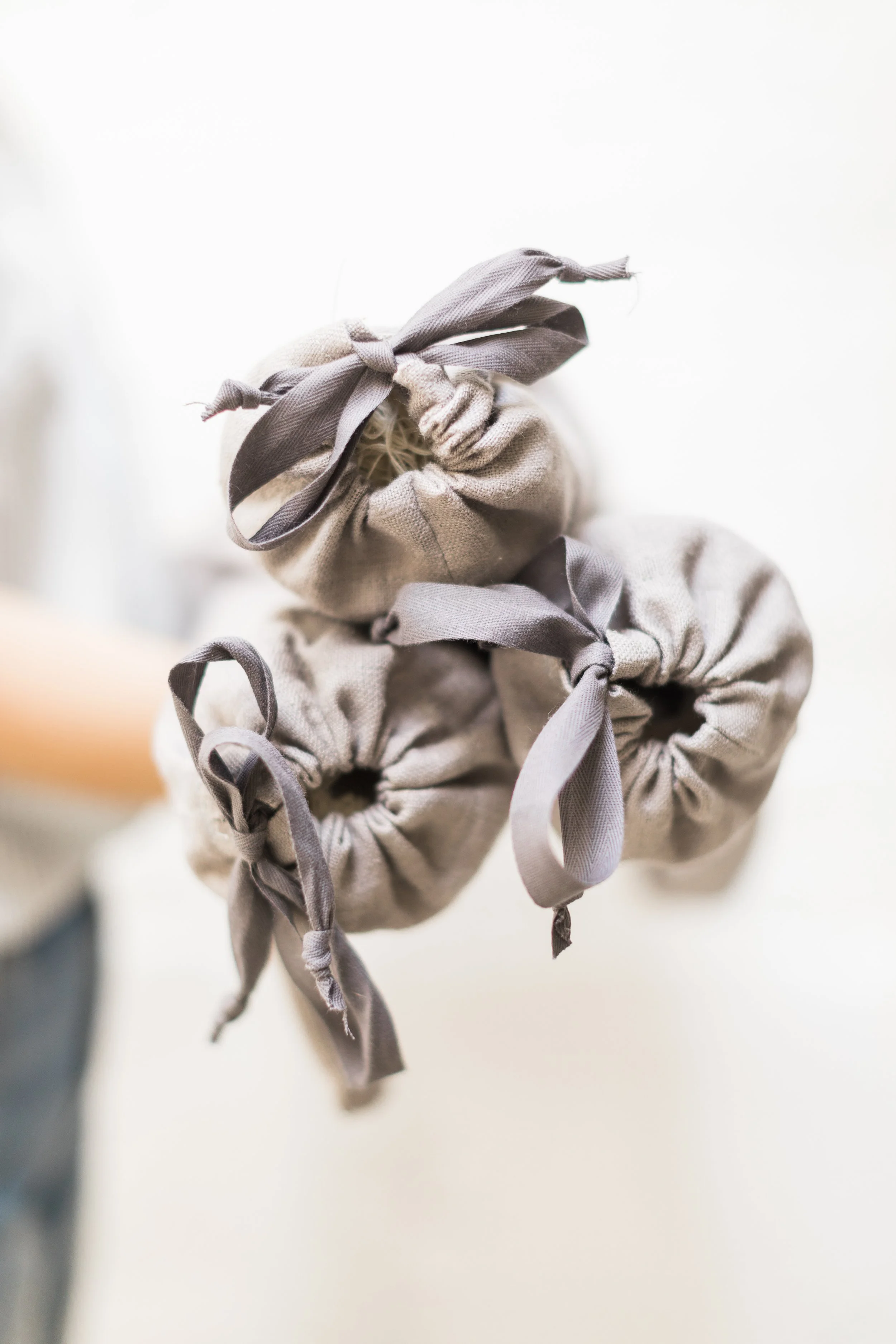
Flat lay surfaces should work with you, not against you. Rollable designs keep your backgrounds protected, lightweight, and easy to transport from shoot to shoot.
Real talk about flying with surfaces. TSA agents have never questioned our tubes. Not once. They look like poster tubes, they're clearly not dangerous, and they pass through security without issues. For domestic flights, standard hand-painted surfaces (35x28") and fabric mats (34" x 25.5") fit in overhead bins, though they're more comfortable under the seat in front of you.
For international travel, petite hand-painted surfaces (26x20") are specifically sized for easy overhead bin placement on any aircraft. European carriers with smaller overhead bins? No problem. Budget airlines with strict size requirements? Still fits. We designed the petite size after watching too many destination wedding photographers struggle with standard sizes on international flights.
Weight matters when you're carrying camera gear plus surfaces. Three rolled surfaces weigh approximately 3-5 pounds total, less than a single prime lens. You're not adding significant weight to your kit. You're adding capability without burden.
Setup speed is crucial on wedding timelines. Fabric mats unroll and lay flat immediately. Zero wrinkles, zero prep time. Hand-painted surfaces may occasionally need a quick touch with an iron on the backside if creases develop from transport, but we're talking 30 seconds max. Either way, you're ready to shoot within minutes of arriving.
Protection during transport matters. Keep your surfaces in the tubes they shipped in. Those tubes are built to take a beating. I've seen tubes fall out of cars, get crushed under luggage, and survive rental van chaos. The surfaces inside stayed perfect. Throw your rolled surfaces in a canvas bag with your camera gear? You're asking for damage.
If you're regularly traveling with fabric mats, consider the linen carrying bag specifically designed to accommodate up to three styling mats with an adjustable shoulder strap. It's handmade in Los Angeles and fits three tubes comfortably. Professional look, practical function, one less thing to think about on wedding days.
Care and Maintenance
Your surfaces need to withstand wedding after wedding while maintaining their beauty. Understanding proper care extends their life dramatically.
Hand-painted canvas surfaces:
Always store rolled, never folded
Keep rolled tightly on the core with retaining bands
If creases occur, use gentle heat from an iron on the backside
Spot clean carefully with a damp cloth to avoid damaging the paint
Treat them as the works of art they are
Fabric mats:
Store rolled on the core with retaining band
Iron as needed to remove any wrinkles
Spot clean with a damp terry cloth towel
Use hydrogen peroxide or rubbing alcohol for tougher stains
The stain resistance means most spills wipe away easily
Both types benefit from:
Keeping a lint roller handy for quick cleanup
Having basic cleaning supplies in your kit
Storing in protective tubes between uses
Handling with clean hands to prevent oils transferring
For detailed care instructions specific to each surface type, see our Care & Cleaning Guide.
Longevity and Return on Investment
Quality styling surfaces last for years when cared for properly. Think of them as multi-year investments rather than single-season purchases.
Hand-painted surfaces maintain their beauty through hundreds of uses. The paint is applied to premium canvas that's built to last. While you need to handle them with care, they don't wear out from normal use. Many photographers use the same hand-painted surfaces for five-plus years.
Fabric mats are engineered for durability. The stain protection is woven into the fibers, not just applied as a coating that wears off. This means the spill-proof quality lasts for the life of the surface. The vegan wool face and organic cotton canvas backing are both durable materials that handle constant rolling, unrolling, and use without degrading.
Consider how many weddings you shoot annually. If you photograph 20 weddings per year and use your surfaces at every wedding, that's 100 uses over five years. Divided by the cost of quality surfaces, you're paying pennies per use for tools that directly impact your portfolio quality and client attraction.
The surfaces that seem expensive upfront become incredibly cost-effective when you calculate their actual per-wedding cost over years of use.
Frequently Asked Questions About Flat Lay Surfaces
What's the difference between hand-painted and fabric flat lay surfaces?
Hand-painted surfaces are premium canvas individually painted by hand, offering artisanal texture and one-of-a-kind aesthetic ideal for editorial work. Fabric mats are stain-resistant vegan wool surfaces with practical spill-proof technology, perfect for working photographers who need durability without compromising beauty. Hand-painted surfaces are best for portfolio pieces and styled shoots, while fabric mats excel for everyday wedding photography in unpredictable venues.
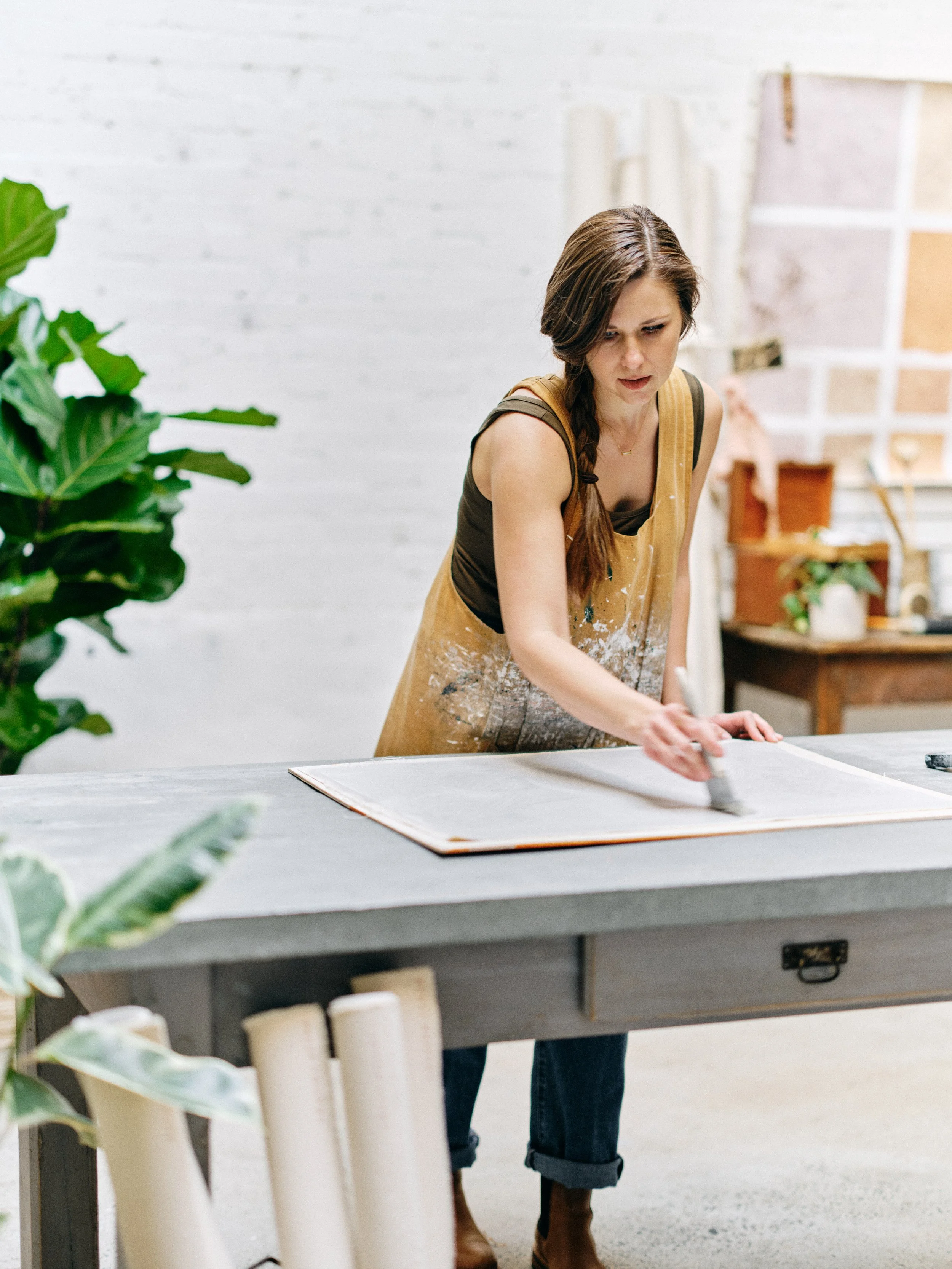
Ever wonder why some flat lay surfaces just work better? It comes down to craftsmanship…how they’re made, finished, and designed for real shoots.
What size flat lay surface do I need?
Hand-painted surfaces are available in two sizes: standard 35x28" for full invitation suites and layered compositions, and petite 26x20" for focused detail shots like rings or smaller stationery. Fabric mats measure approximately 34" x 25.5". All sizes provide ample working space for professional flat lay photography. Choose standard hand-painted or fabric mats for versatile, all-purpose use. Choose petite hand-painted for international travel (fits easily in airplane overhead compartments) or when you primarily shoot smaller detail work.
How do you clean flat lay surfaces?
Hand-painted canvas surfaces should be spot cleaned with a damp cloth, avoiding excessive moisture that could damage the paint. Fabric mats can be spot cleaned with a damp terry cloth towel; tougher stains respond to hydrogen peroxide or rubbing alcohol. Both types benefit from immediate stain treatment. Keep a lint roller handy for quick debris removal. Never machine wash hand-painted surfaces. Fabric mats can be hand washed cold with mild detergent if needed.
Are flat lay surfaces worth the investment?
For professional wedding photographers, absolutely. Quality surfaces eliminate the unpredictability of venue backgrounds, give you complete creative control, and elevate your portfolio immediately. Over 5 years of shooting 20 weddings annually, you're paying pennies per use for tools that directly impact your ability to attract high-end clients. The surfaces that seem expensive upfront become incredibly cost-effective when you calculate their actual cost per wedding.
Can I travel with flat lay surfaces?
Yes, both hand-painted and fabric surfaces are designed for travel. They roll tightly onto cardboard cores and ship in rigid tubes that double as protective transport cases. Three rolled surfaces take up minimal space in your car or fit easily in overhead luggage compartments for destination weddings. Fabric mats are particularly travel-friendly since they never wrinkle. Consider the linen carrying bag if you regularly transport multiple surfaces.
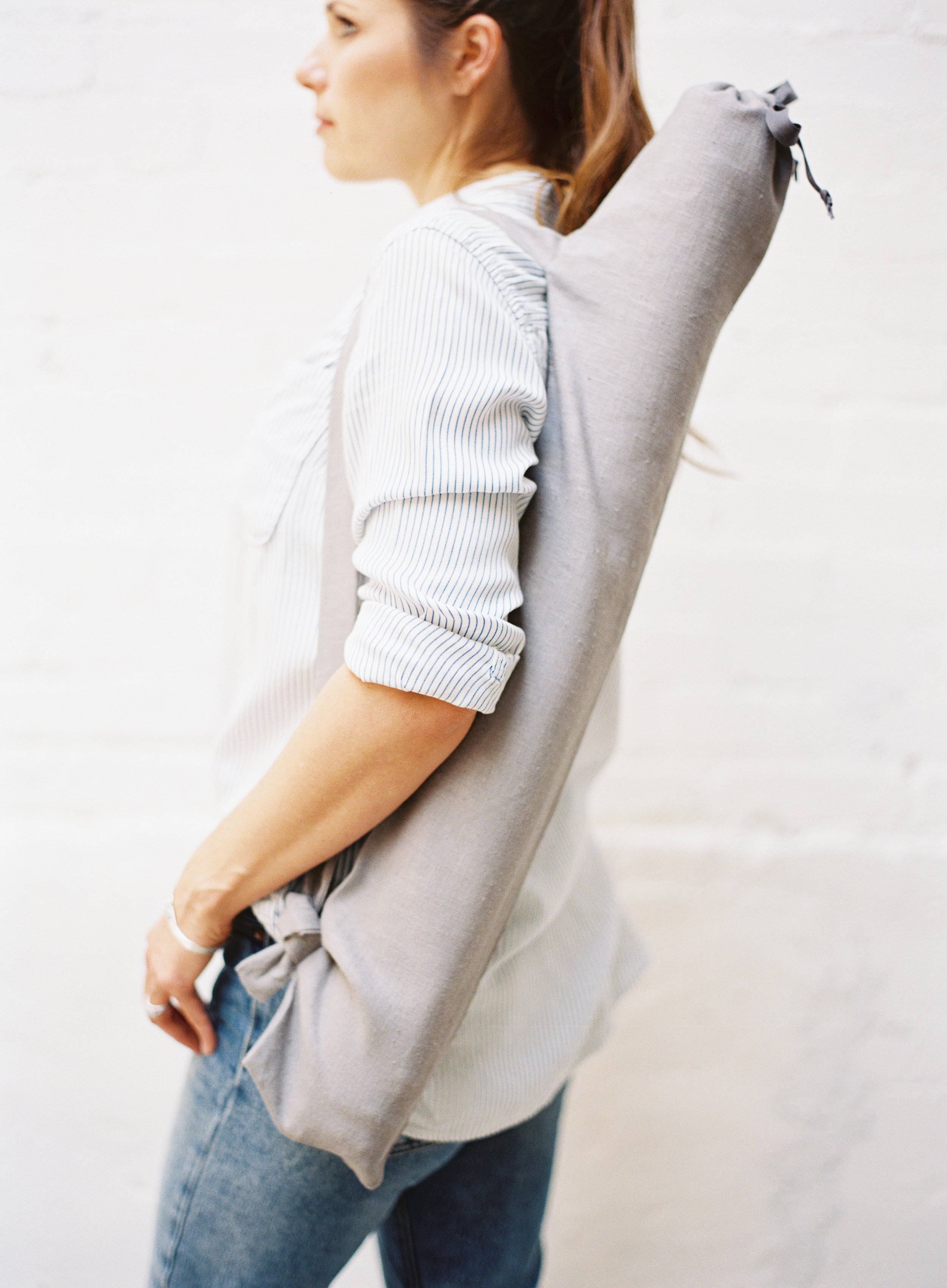
Ever tried carrying multiple flat lay boards to a shoot? Rollable surfaces change everything, compact, lightweight, and easy to take with you.
How long do flat lay surfaces last?
With proper care, both hand-painted and fabric surfaces last for years. Hand-painted surfaces maintain their beauty through hundreds of uses when stored rolled and handled carefully. Fabric mats are engineered for durability with stain protection woven into the fibers (not just applied as a coating), so the spill-proof quality lasts for the life of the surface. Many photographers use the same surfaces for 5+ years of regular professional use.
What colors should I start with?
Start with three complementary neutral tones: a light neutral foundation (soft white, cream, or warm beige), a rich tone for depth (warm terracotta, deeper beige, or soft gray), and a versatile mid-tone that bridges the two (gentle gray, soft taupe, or warm neutral). This combination works across spring garden weddings, fall celebrations, and elegant ballroom affairs without requiring specialized colors for every scenario.
Can I use the backside of flat lay surfaces?
Yes! Fabric mats feature premium grade, naturally flecked organic cotton canvas on the backside. While this side isn't stain-resistant, it naturally resists brief water exposure and provides a beautiful neutral alternative texture. Many photographers capture stunning images using the canvas backside. Hand-painted surfaces have canvas backing as well, though the painted side is typically preferred for its artisanal quality.
Do surfaces work for both wedding details and other photography?
Absolutely. While these surfaces are popular with wedding photographers, they're equally valuable for product photography, food styling, brand photography, stationery design, and floral work. Florists particularly love fabric mats for their spill-proof technology when working with fresh flowers and water. The neutral, sophisticated aesthetics work across any genre that requires beautiful, professional flat lay backgrounds.
How do I choose between hand-painted and fabric surfaces?
Consider your shooting style and typical working conditions. Choose hand-painted if you prioritize editorial, artisanal aesthetic and primarily shoot in controlled environments for portfolio work and styled shoots. Choose fabric mats if you need practical, spill-proof technology for unpredictable wedding day conditions across multiple venues. Many photographers own both, using hand-painted for editorial work and fabric mats for everyday wedding photography.
Do I need to buy surfaces individually or can I get a bundle?
We offer 3-surface bundles where you choose any three surfaces from our collections. Bundles are available for hand-painted standard (35x28"), hand-painted petite (26x20"), and fabric mats (34" x 25.5"). Bundles provide better value than purchasing individually and ensure you're building a complementary collection. You select the exact colors you need rather than receiving pre-selected sets that might include tones you won't use. This is the most cost-effective way to start your professional surface collection.
Making Your Final Decision: Which Surfaces Are Right for You?
Stop overthinking this. Here's the honest breakdown based on how you actually work:
Start with a 3-surface fabric mat bundle if:
You want your portfolio to look diverse and intentional, not repetitive
You're tired of every detail shot looking identical because you only have one surface
You work in unpredictable conditions (hotel rooms, private venues, outdoor getting-ready spaces)
You need spill-proof protection when shooting near beverages or fresh flowers
You want to match surfaces to different wedding color palettes professionally
You're building your first professional surface collection and want maximum versatility
Start with a 3-surface hand-painted standard bundle if:
Editorial quality is your top priority
You're building a high-end portfolio to attract luxury clients
You shoot primarily styled shoots, editorial work, or curated content
You have controlled shooting environments most of the time
The artisanal, painterly aesthetic aligns with your brand
You're willing to handle surfaces with more care for premium results
Start with a 3-surface hand-painted petite bundle if:
You shoot international destination weddings regularly
You prioritize lightweight, compact travel gear
You focus primarily on rings, jewelry, and smaller detail shots
Overhead bin space matters for your workflow
You want hand-painted quality in a more portable format
You need both hand-painted and fabric if:
Your portfolio needs both editorial-quality imagery and practical wedding day coverage
You want fabric for real wedding day shooting and hand-painted for styled shoots and portfolio building
You're ready to invest in a complete collection that handles every scenario
You understand exactly which surfaces you reach for in different situations
Your client base ranges from intimate elopements to luxury weddings
The truth? Most photographers underestimate how much they'll use fabric mats and overestimate how often they'll use hand-painted surfaces. Fabric mats handle 90% of real wedding day scenarios beautifully. Hand-painted surfaces shine for portfolio building, styled shoots, and when you have time to work carefully.
Here's what matters more than wedding volume: portfolio diversity. Shooting 5 weddings a year with three different surfaces looks more professional and intentional than shooting 20 weddings with the same surface every time. When potential clients scroll your Instagram, they should see variety, not repetition. A bundle isn't about quantity of weddings. It's about quality of presentation.
If you're reading this and still unsure, start with fabric. You can always add hand-painted later. You can't add spill-proof technology to hand-painted canvas after champagne ruins it at a wedding.
The Recommended Starting Point
For most wedding photographers, we recommend starting with a 3-surface fabric mat bundle in complementary neutral tones. This gives you:
Practical spill-proof technology for wedding day chaos
Versatility across different wedding aesthetics and seasons
Easy care and maintenance that fits a busy schedule
Travel-friendly design for destination weddings
Durability that handles constant use
Professional quality that attracts ideal clients
Once you have this foundation, you can add hand-painted surfaces for editorial work, styled shoots, or when you want that extra level of artisanal beauty for portfolio pieces.
Or, if your heart is set on that painterly, editorial quality from day one, invest in a 3-surface hand-painted bundle (available in standard or petite sizes) and commit to careful handling and care. Both approaches work. The key is choosing intentionally based on your actual needs rather than trying to buy everything at once.
Continue Your Flat Lay Education
Master the Technique:
The Ultimate Flat Lay Photography Guide - Complete guide to composition, lighting, and camera settings
Essential Photography Gear for Wedding Flat Lays - Build your complete equipment kit
Avoid Common Mistakes:
7 Common Flat Lay Photography Mistakes and How to Fix Them - Quick wins for immediate improvement
10 Flat Lay Mistakes That Make Your Work Look Amateurish - Refine your technique
Industry-Specific Guides:
How to Style Stunning Flat Lays for Florists- Techniques for floral arrangements
Your Surfaces, Your Story
Every flat lay you create tells a story. The invitation suite speaks to the couple's style and attention to detail. The rings represent commitment and heirloom quality. The flowers capture a fleeting moment of beauty. These details matter deeply to your couples, and photographing them with intention honors the care they've invested.
Your styling surface is the foundation of that story. It's not just something to put things on. It's the stage on which these meaningful details come to life. It's what transforms a hotel room into an editorial shoot, what makes your portfolio stand out in a saturated market, what helps couples trust that you'll capture their day beautifully.
The difference between using whatever's available and investing in professional styling surfaces is the difference between making do and mastering your craft. It's the difference between apologizing for less-than-ideal conditions and arriving prepared for anything. It's the difference between flat lays that are fine and flat lays that are breathtaking.
Ready to elevate your flat lay photography? Explore our complete collection of hand-painted styling surfaces, each crafted by hand in Orange County, California with the artistry and attention to detail you bring to every wedding. Browse our fabric flat lay mats, engineered for the practical demands of wedding photography without compromising on beauty.
Ready to elevate your flat lay photography? Start with a 3-surface bundle and build a collection that pays for itself after a single booked wedding. Choose from hand-painted standard, hand-painted petite, or fabric mat bundles.
Your most stunning flat lay is one professional surface away.
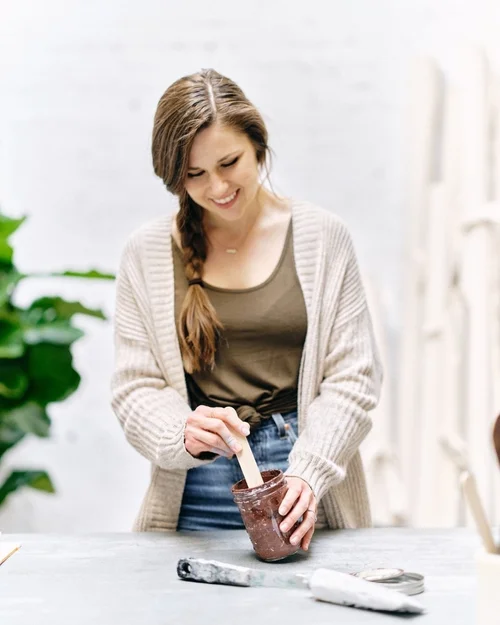
Creators of premium photography backdrops and styling surfaces
Trusted by thousands of discerning creatives worldwide
Every piece is handcrafted with intention in Orange County, California