
Welcome to
The Journal
Welcome to the Chasing Stone blog! We’re so glad you’re here. Our story began in 2018 with a simple need for a portable, textured, stone-like styling surface. This idea quickly grew into the vibrant and diverse collection of backdrops and styling surfaces you see today. Each piece is inspired by my deep love and fascination for the natural world.
This blog is a place where we hope to answer your frequently asked questions, share tips and tricks, and connect with our amazing community. Whether you're a photographer, florist, or creative enthusiast, we’re here to support you and inspire your artistic journey. Alongside my passion for travel and design, I am excited to share insights and stories that can spark your creativity. Thank you for joining us and being a part of the Chasing Stone family!
Explore
OUR
JOURNAL
CATEGORIES
TUTORIALS
BTS
TRAVEL
SPOTLIGHTS
FAQ
COLOR THEORY
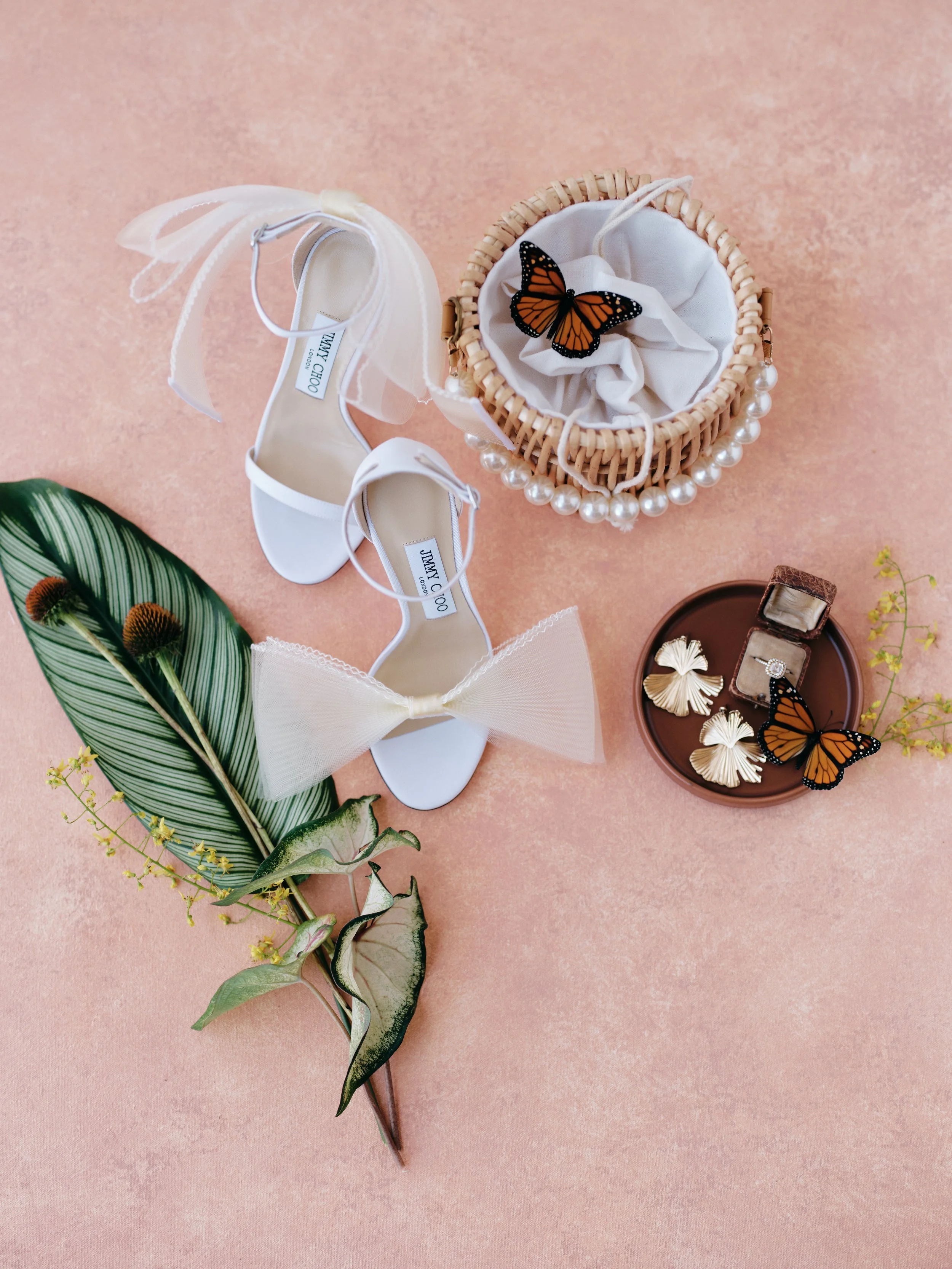
Hand-Painted Canvas vs Muslin Backdrops: A Photographer's Honest Comparison
I'm going to be honest about something: I have a financial interest in you choosing canvas over muslin. I paint canvas backdrops for a living. But here's the thing—I didn't start Chasing Stone because I wanted to sell canvas. I started it because I was a photographer frustrated with backdrops that photographed flat, wrinkled constantly, and needed replacing every couple years. When I finally tried canvas, I fell in love with how it photographed and never looked back. So yes, I'm biased. But the bias came from experience, not the other way around. This is my honest assessment of both materials after years of using them, photographing them, and talking with thousands of photographers about their backdrop choices. I'll tell you where canvas wins, where muslin has advantages, and help you figure out which actually makes sense for your situation.
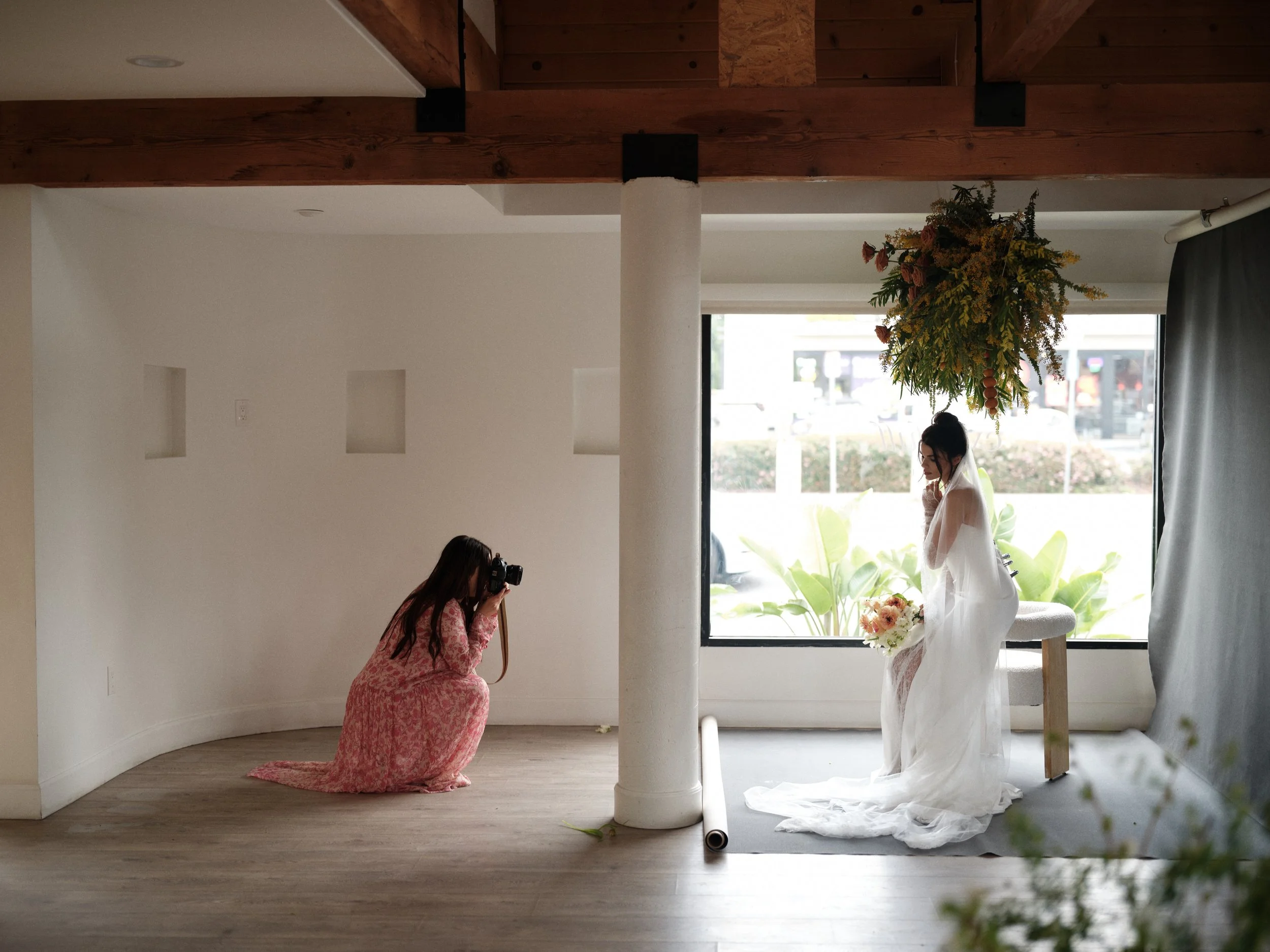
How to Light Hand-Painted Backdrops: Natural Light Techniques That Actually Work
I hated the first photos I took of my own backdrops. Flat, lifeless, all the texture I'd spent hours painting had disappeared. I blamed the backdrop until a photographer friend started laughing at my setup. "You're lighting it like a wall," she said. "It's a painting." She moved my backdrop perpendicular to the window instead of facing it, shifted my subject three feet forward, and the texture came alive. That one adjustment changed everything I make. It's why lighting is the first thing I tell photographers when their new backdrop doesn't look right.
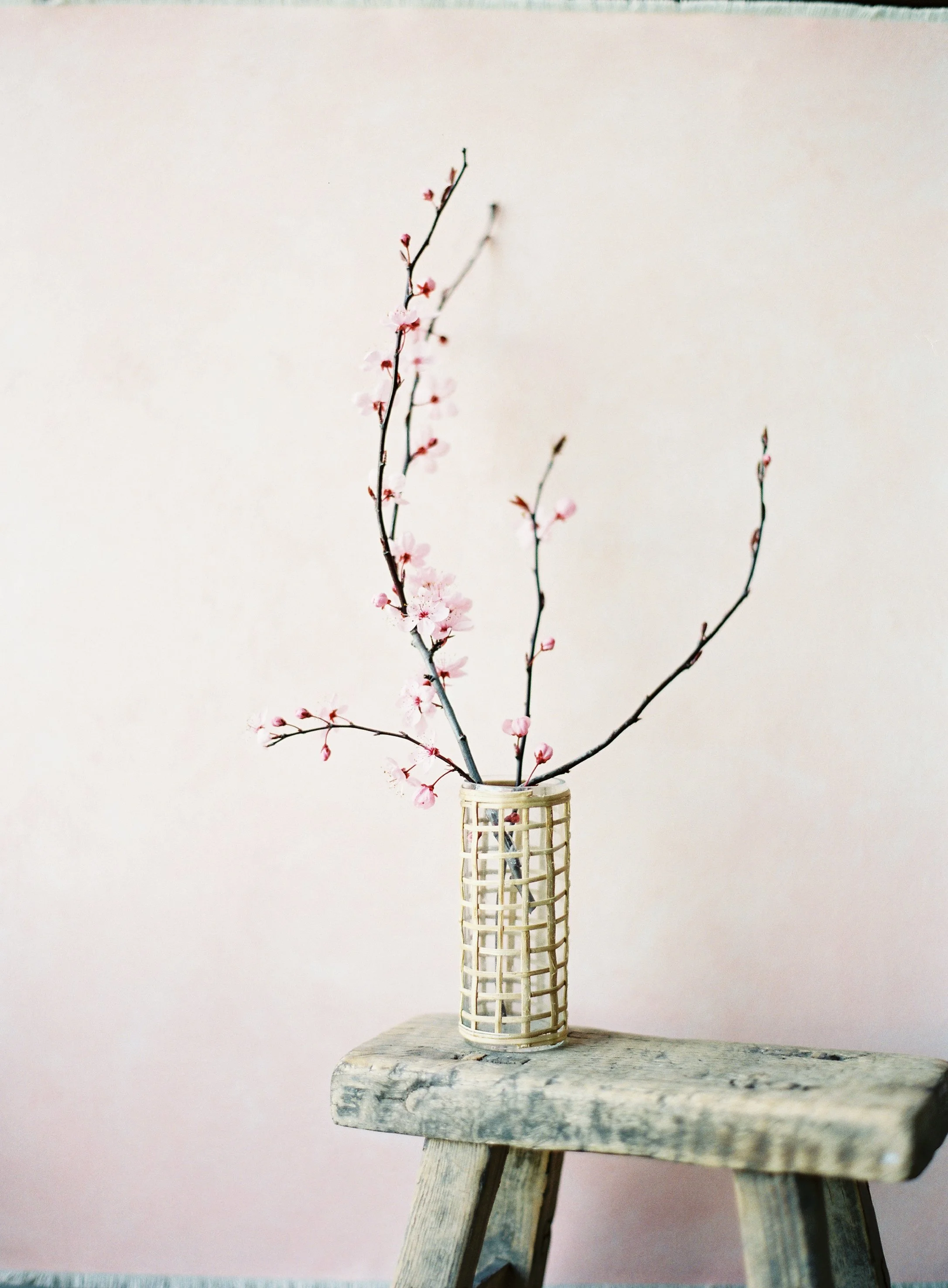
The Art of Imperfection: Why Hand-Painted Texture Beats Machine-Made Uniformity
I spent my first years painting backdrops trying to make them perfect. Same color, same texture, exact consistency. Then I noticed photographers kept requesting the ones with more variation. The ones I'd almost thrown away. It took too long to understand why: printed backdrops are flat ink pretending to be textured, and cameras see through that illusion instantly. Hand-painted backdrops have real brushstrokes, actual depth, genuine texture that scatters light. Your subjects look better because there's something authentically three-dimensional behind them instead of a printed surface. The imperfections aren't the problem. They're the point.
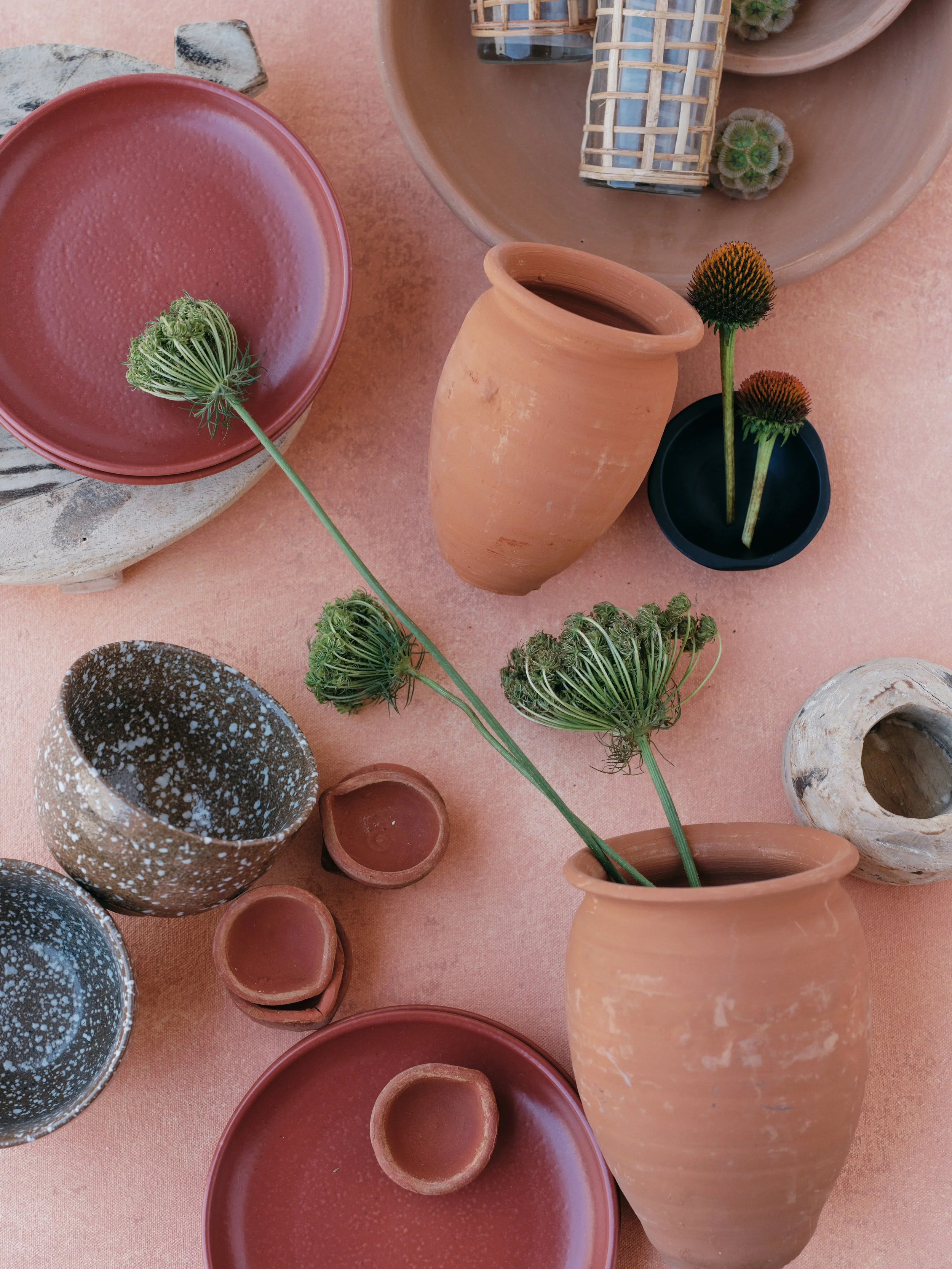
Color Theory for Photographers: Understanding the Wheel, Harmony, and Contrast
The backdrop colors photographers love aren't always the ones that sell. After two years of painting gorgeous saturated colors that sat unsold while boring taupes flew off shelves, I learned the hard way: understanding color theory is the difference between backdrops that look pretty and backdrops that actually work. This guide teaches you how to choose backdrop colors that flatter every skin tone, create intentional harmony, and produce consistently beautiful images.
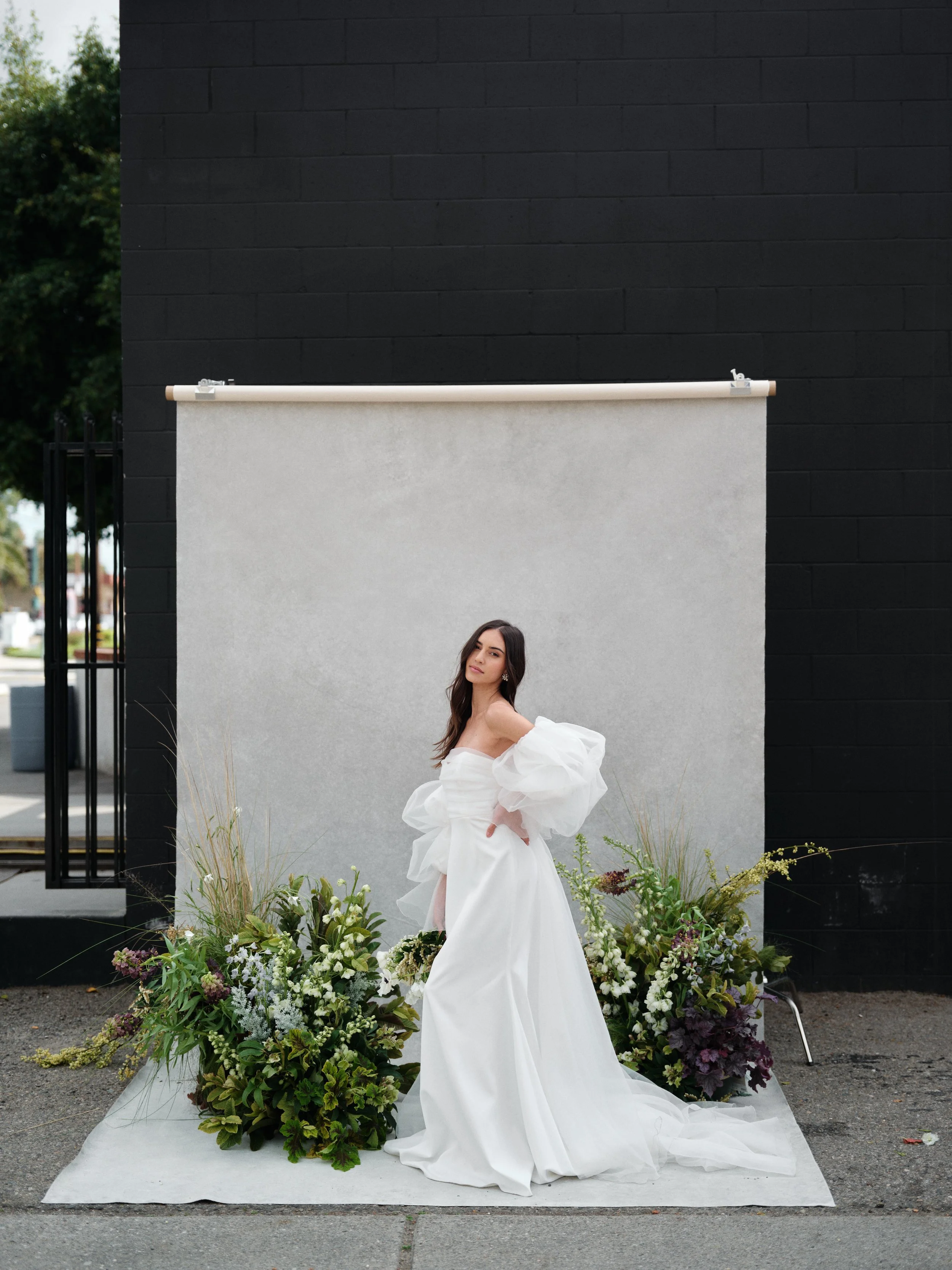
The Ultimate Photography Backdrop Guide for 2026
The backdrop question haunts every photographer eventually. You're scrolling through a competitor's portfolio, noticing how their portraits have this intentional, editorial quality while yours look like you shot them against whatever wall happened to be nearby. Because you did. I started Chasing Stone in 2018 after years of that exact frustration. Now, having hand-painted thousands of backdrops and talked with photographers at every level of the industry, I can tell you the knowledge gap isn't about talent. It's about understanding how backdrops actually work and which ones are worth your money. This is the guide I would have killed for when I was starting out.
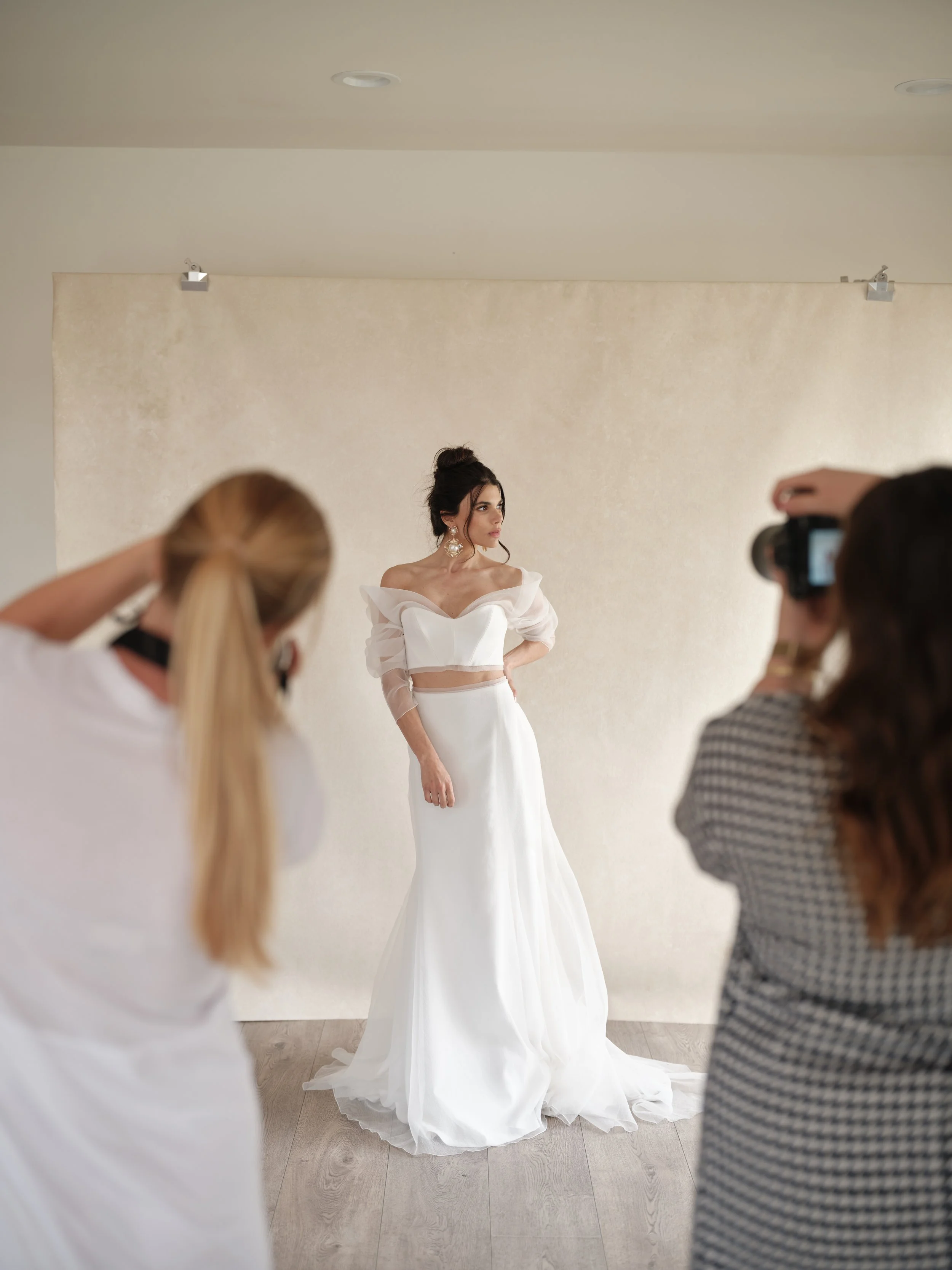
How Wedding Photographers Use Hand-Painted Backdrops Successfully
You arrive at a wedding venue ready to capture stunning portraits, only to find yourself facing concrete walls, cluttered rooms, or distracting backgrounds that pull focus from your subjects. Every wedding photographer knows this struggle. Chasing Stone, an Orange County studio, has been revolutionizing how wedding photographers solve this universal challenge with hand-painted canvas backdrops that transform any location into a professional studio environment. These portable solutions give you creative control in venues that don't naturally photograph well, helping you deliver consistent, gallery-worthy images from getting-ready portraits to flat lay details. Discover ten innovative ways professional photographers are using these hand-crafted backdrops to elevate their wedding photography work and build recognizable signature styles.
Are Spill-Proof Photography Mats Worth It?
Every photographer who works with styled content knows the sinking feeling of a ruined surface. Coffee, wine, water from fresh flowers, makeup from beauty shoots, or condensation from styled beverages can destroy a fabric mat in seconds. Traditional styling surfaces offer no real protection, and replacing them gets expensive fast. Spill-proof photography mats have emerged as a solution to this persistent problem, claiming to protect against the inevitable accidents that come with shooting flat lays, wedding details, and product photography. But with premium price tags attached, do these stain-resistant surfaces actually deliver enough value to justify the cost? The answer depends on how you work, what you shoot, and whether you're calculating the true cost of surface damage beyond just replacement expenses.
How to Price Your Flat Lay Photography Services
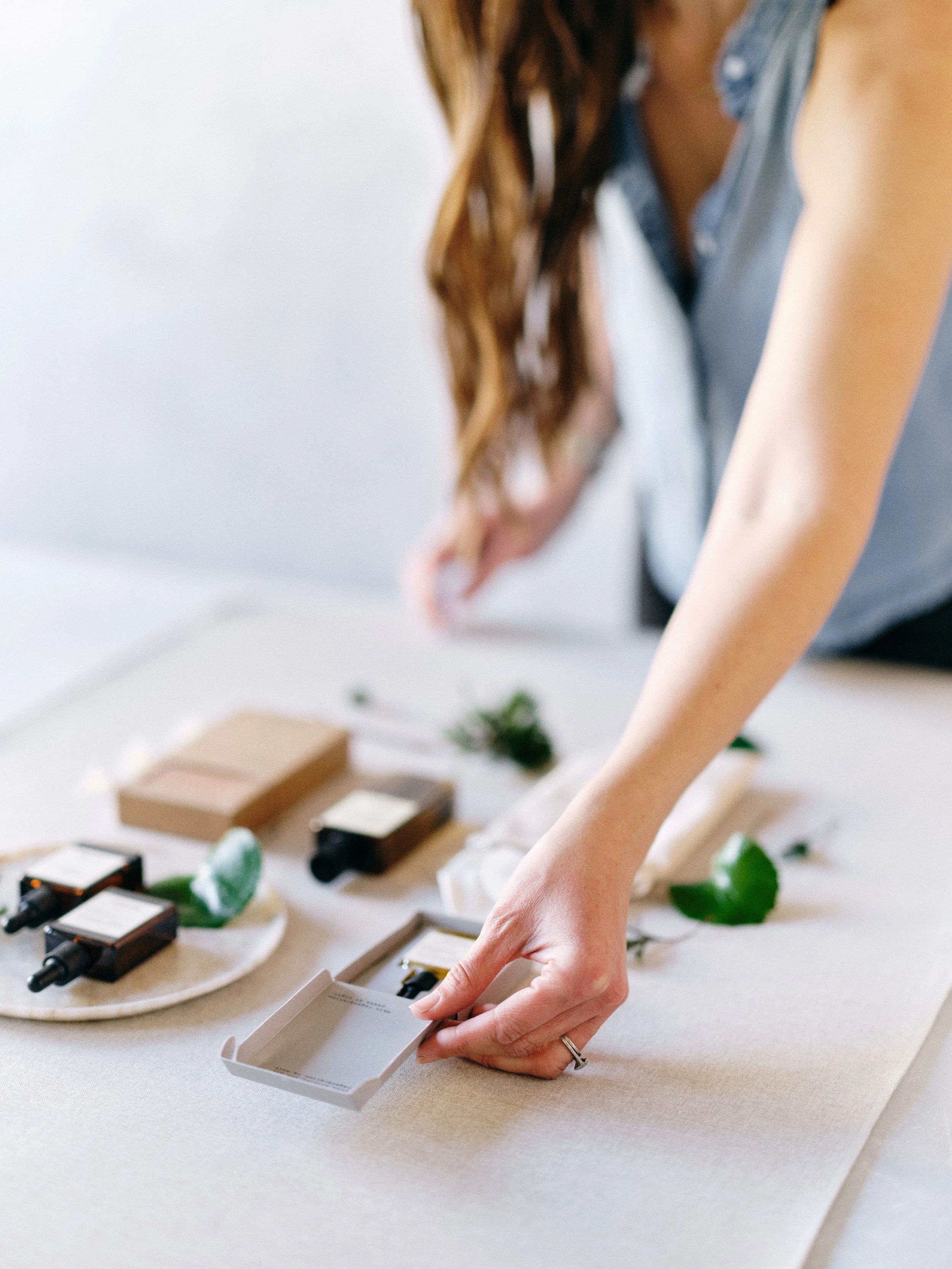
Staring at that inquiry email asking about your flat lay rates shouldn't make your palms sweat. Yet here you are, second-guessing every number before you type it. You know your detail shots are beautiful. You've invested in professional surfaces, perfected your styling, and built a portfolio that stops scrolls. But translating that expertise into actual dollars feels impossible. Charge too much and risk losing the client. Charge too little and you're barely covering costs while other photographers book premium rates for similar work. The truth about flat lay photography pricing is this: there's no magic number, but there are strategic methods to value your work that cover your costs, honor your expertise, and position you competitively. This guide breaks down exactly how to calculate what you should charge, structure packages that sell, and communicate your value so confidently that clients say yes without hesitation.
The Best Styling Surfaces for Food Photography (Without Glare)
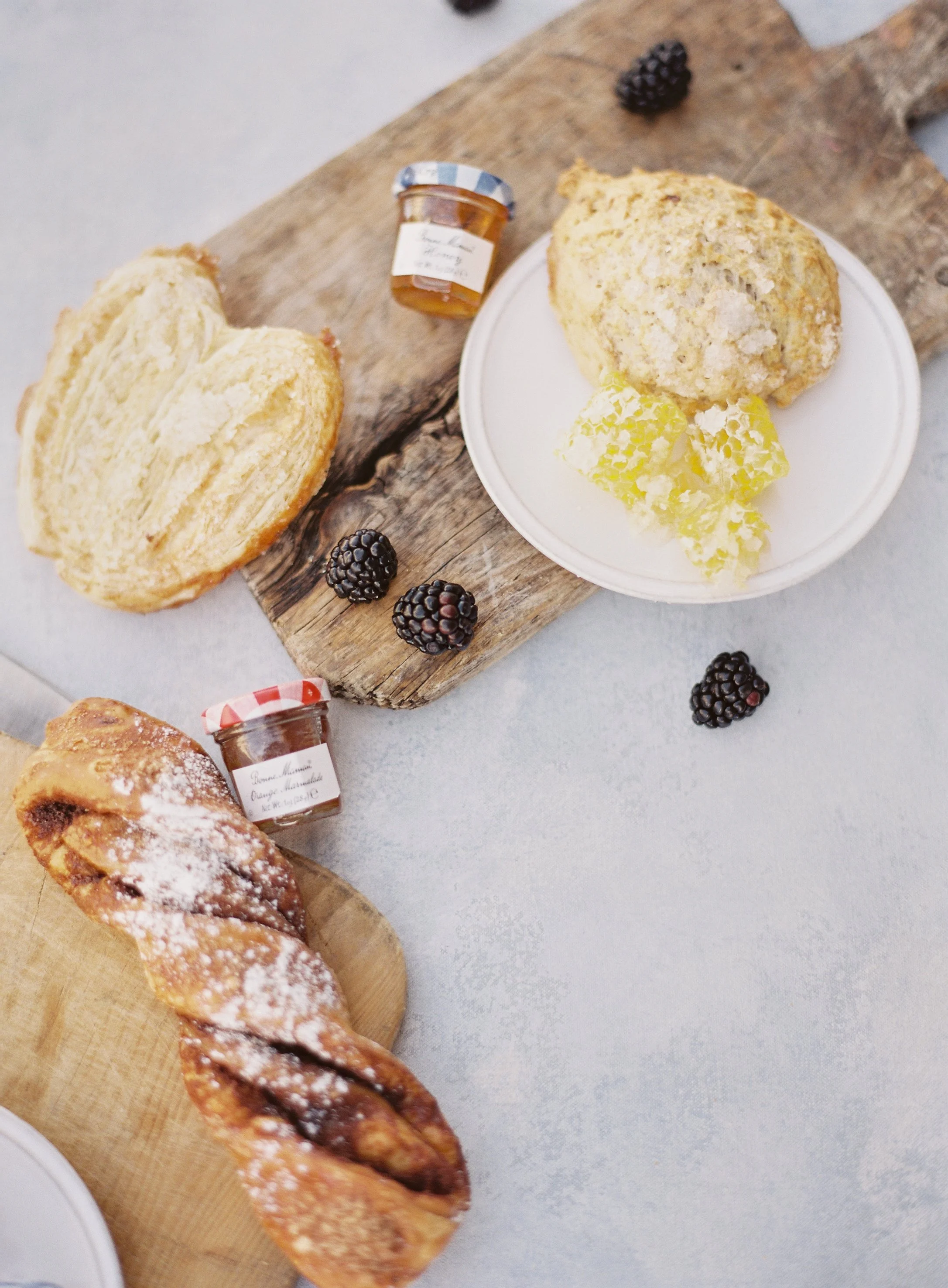
Fighting glare during food photography shoots shouldn't consume hours of your creative time. When reflections bounce off shiny surfaces and create distracting hot spots, the problem isn't your lighting setup or technique. It's your styling surface. Matte finishes and thoughtfully designed non-reflective food surfaces transform challenging shoots into smooth, efficient sessions where you can focus on composition instead of constantly repositioning lights. Whether you're a product photographer styling beverage shots or a wedding photographer capturing reception details, choosing the right styling surfaces with proper matte finishes, neutral tones, and spill-proof protection means you'll spend less time fighting your backdrop and more time creating images that truly shine.